New DelhiB-2/6, Road, B 2 Block, Paschim Vihar, New Delhi, Delhi, 110063+91 8929299529
Skinfollix Hair & Dermatology Clinic, Delhi
Alopecia Areata Treatment In Delhi
A sudden, smooth bald patch can be unsettling — especially when it appears without warning and the surrounding scalp looks completely normal. Alopecia areata is an autoimmune form of hair loss that commonly causes one or more round or oval patches, and it can affect the scalp, beard, eyebrows or other hair-bearing areas. At Skinfollix, alopecia areata treatment in Delhi begins with confirming the diagnosis rather than assuming every patch is the same. Our AIIMS-trained, board-certified dermatologist uses clinical examination and trichoscopy to assess the pattern and extent of hair loss before recommending a personalised treatment plan. Depending on your case, treatment may include intralesional injections, topical or oral medication, or selected supportive therapies, followed by structured monitoring to assess regrowth and identify any new activity early.
Tell us where you've noticed the bald patch, how long it has been present, and whether new patches have appeared — our alopecia areata doctor in Delhi will get in touch to schedule your personalised scalp assessment.
Your information stays private and is only used to schedule your consultation.
Why Skinfollix
Why Choose Skinfollix For
Alopecia Areata Treatment
In Delhi?
Alopecia areata can look like a simple bald patch, but its pattern and progression can vary considerably from one person to another. At Skinfollix, alopecia areata treatment in Delhi begins with confirming what is causing the patchy hair loss before treatment is selected. Your assessment is led by an AIIMS-trained, board-certified dermatologist, with the treatment approach based on the extent of hair loss, clinical findings and how your condition responds over time.
Alopecia Areata Diagnosis First
Trichoscopy and clinical examination help identify features associated with alopecia areata and distinguish it from other causes of patchy hair loss before treatment begins.
AIIMS-Trained Dermatologist
Your alopecia areata consultation is led by an AIIMS-trained, board-certified dermatologist with over 15 years of clinical experience managing patchy and other forms of hair loss.
Targeted Injection & Medical Therapy
Depending on the extent of alopecia areata, treatment may include intralesional corticosteroid injections, topical treatment or oral medication under appropriate dermatologist supervision.
Autoimmune-Aware Evaluation
Alopecia areata is an autoimmune condition and may occur alongside thyroid or other autoimmune disorders. Relevant medical history and tests are considered when clinically appropriate.
Clear Treatment & Cost Guidance
Your diagnosis, recommended treatment options, expected follow-up and applicable costs are explained clearly before your alopecia areata treatment begins.
Ongoing Monitoring For Regrowth
Alopecia areata can improve and recur over time. Regular follow-ups help assess regrowth, monitor for new patches and adjust treatment when necessary.
Understanding Alopecia Areata
What Is Alopecia Areata?
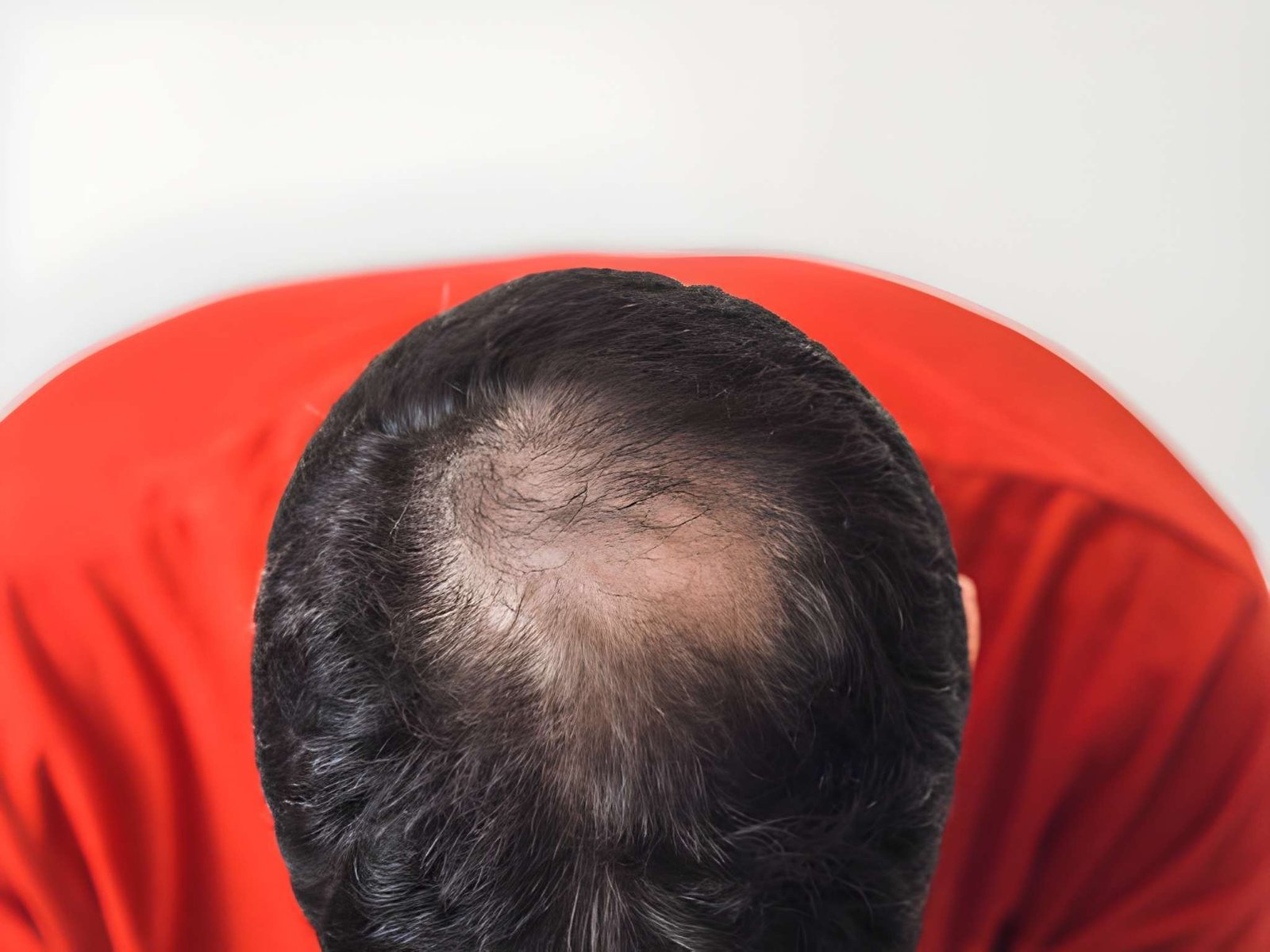
Alopecia areata is an autoimmune form of hair loss in which the immune system mistakenly targets hair follicles, causing hair to fall out in clearly defined areas. It most often appears as one or more smooth, round or oval patches on the scalp, although it can also affect the beard, eyebrows, eyelashes and other hair-bearing areas. Unlike scarring alopecia, the follicles are generally not permanently destroyed, so regrowth is possible for many people. However, alopecia areata can behave differently from one person to another, which is why confirming the diagnosis is an important first step before deciding on treatment.
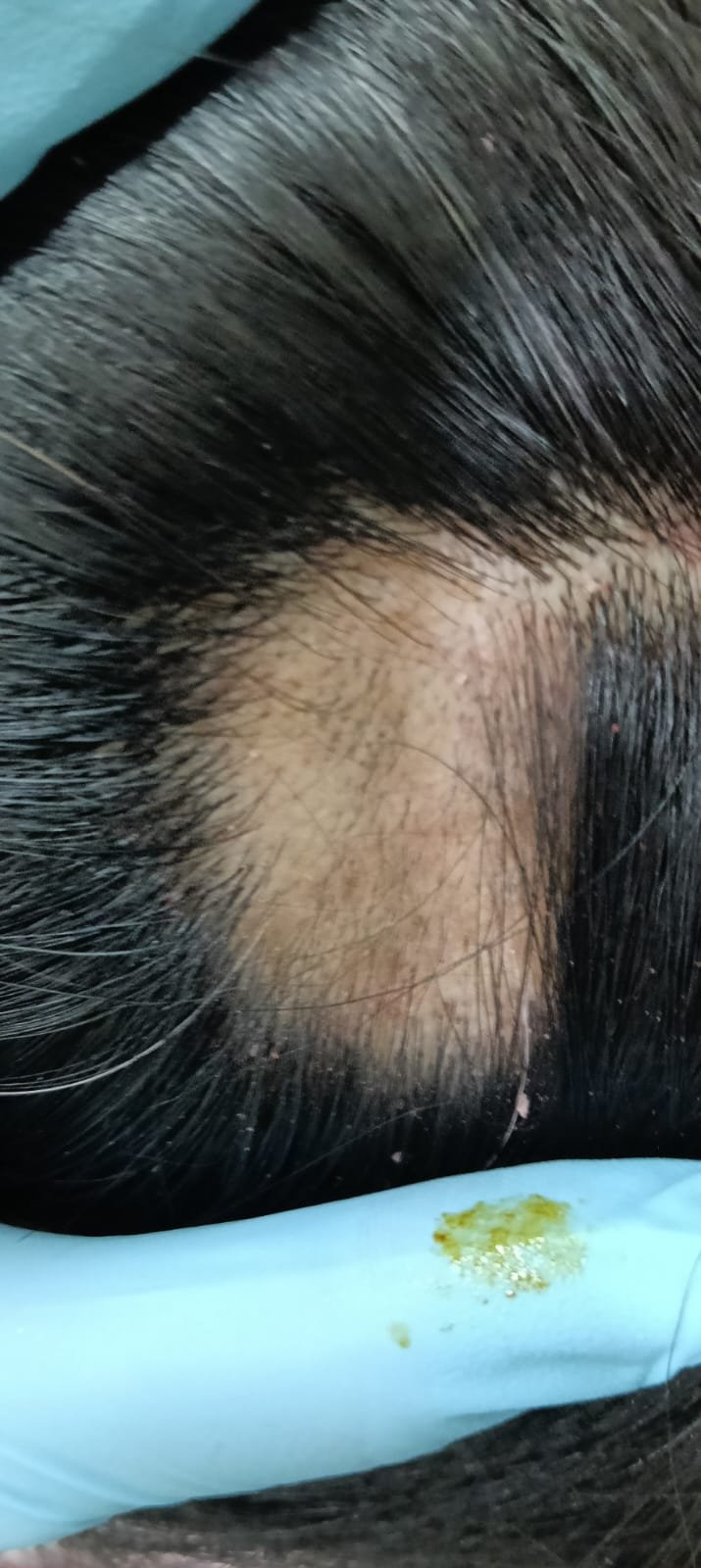
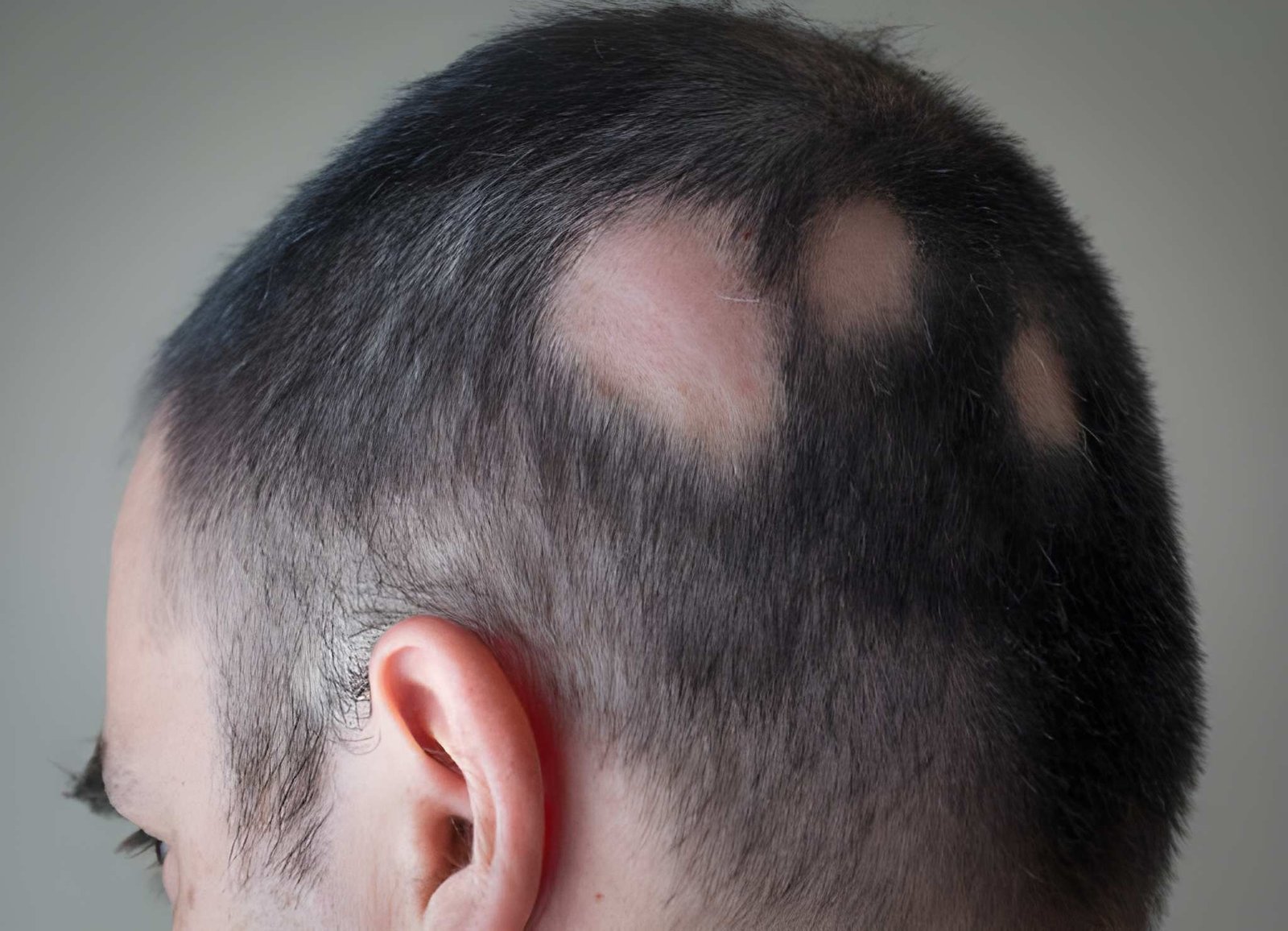
Alopecia areata commonly begins with a smooth, well-defined patch where the scalp skin appears normal, without the scaling or inflammation often associated with scalp infections. Some people develop a single small patch, while others notice several areas appearing over time. Short, tapered hairs may sometimes be visible around the edges of an active patch. In more extensive cases, hair loss can involve larger areas of the scalp or follow patterns such as ophiasis along the sides and lower back of the scalp.
The exact reason alopecia areata develops is not completely understood. The condition involves an abnormal immune response directed at hair follicles during their growth phase, with genetic susceptibility thought to contribute in some people. Alopecia areata can also occur alongside conditions such as thyroid disease or vitiligo. Stress or illness may be reported around the time a patch develops, but these factors should not automatically be assumed to be the sole cause.
A bald patch does not always mean alopecia areata. Traction alopecia from repeated tension, fungal scalp infections and some scarring forms of hair loss can produce similar-looking areas but require very different treatment. A dermatologist may use trichoscopy, clinical examination and your medical history to distinguish between these conditions. Establishing the correct diagnosis is therefore essential before starting treatment for alopecia areata.
Diagnosis First
Before Any Treatment
How We Diagnose Alopecia Areata
Alopecia Areata Diagnosis At Skinfollix
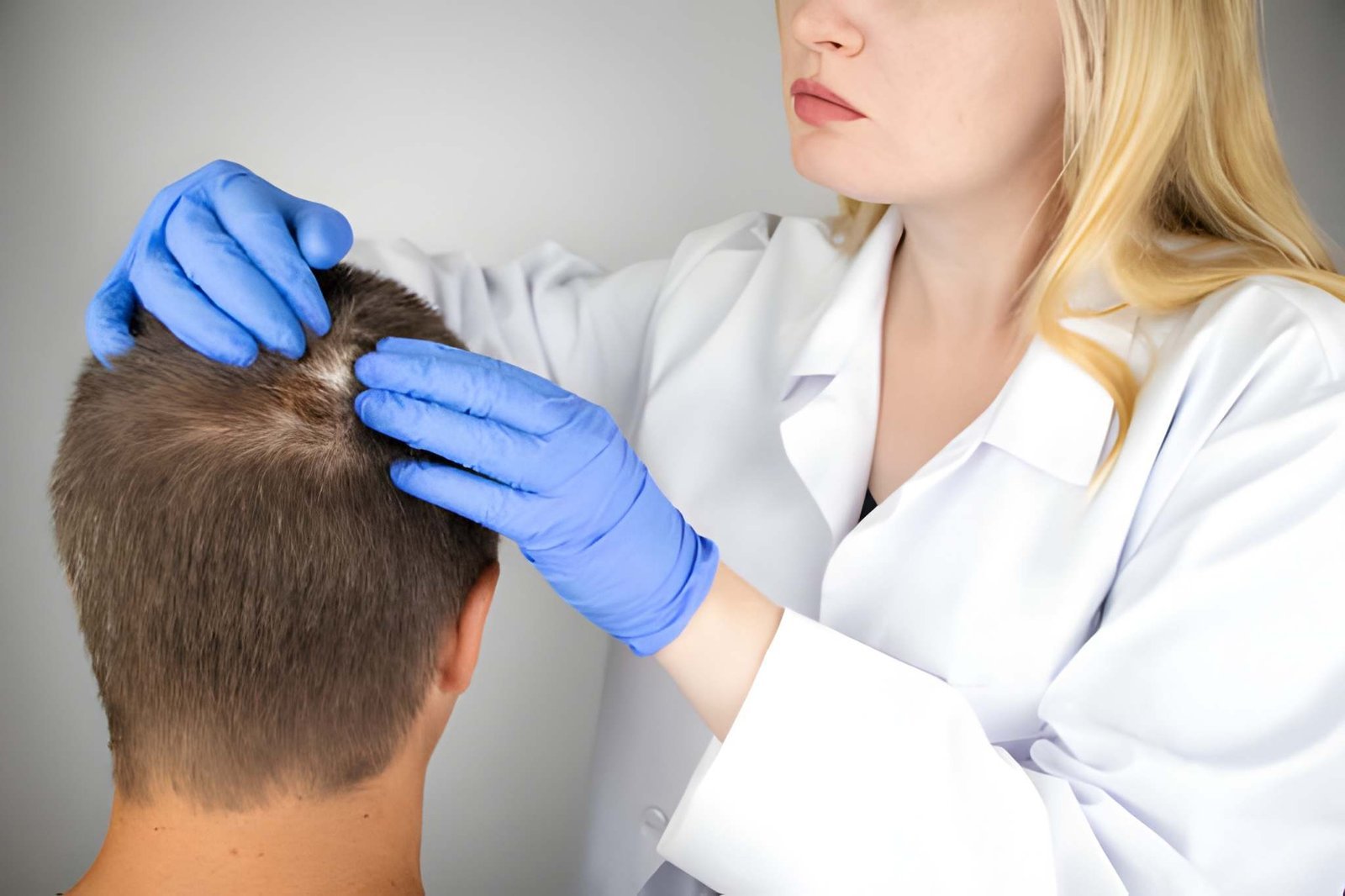
Every alopecia areata treatment in Delhi at Skinfollix begins by confirming that the hair loss is actually caused by alopecia areata. Our dermatologist for alopecia in Delhi uses trichoscopy to examine the scalp closely, assessing the patch borders, follicle openings and characteristic features that can support the diagnosis. Your consultation also includes a detailed history covering when the patch appeared, whether it is changing or spreading, previous episodes of hair loss, family history and relevant medical conditions.
Where appropriate, your dermatologist may recommend blood tests such as a thyroid profile if there are symptoms or clinical reasons to investigate an associated condition. A scalp biopsy is considered only in selected cases where the presentation is atypical or the diagnosis remains uncertain after examination. Once the diagnosis and extent of alopecia areata are established, our AIIMS-trained, board-certified dermatologist discusses suitable treatment options, expected regrowth timelines and the importance of follow-up so your alopecia areata treatment in Delhi is guided by how your condition responds over time.
Alopecia areata is an autoimmune form of hair loss, but there is rarely one simple cause that explains why a particular patch appears. Genetic susceptibility, immune activity and certain health or life events may all be relevant. Our alopecia areata specialist in Delhi looks at these factors together during diagnosis rather than assuming a single trigger is responsible.
Autoimmune Activity
In alopecia areata, the immune system mistakenly targets hair follicles during the hair-growth cycle. This can interrupt hair production in affected areas and lead to sudden, well-defined patches of hair loss.
Genetic Predisposition
Genetics can influence susceptibility to alopecia areata. A family history of alopecia areata or other autoimmune conditions may increase risk, although many people who develop the condition have no known family history.
Thyroid & Autoimmune Conditions
Alopecia areata can occur alongside conditions such as thyroid disorders, vitiligo and other autoimmune diseases. Where your symptoms or medical history suggest a possible association, your dermatologist may recommend further evaluation.
Stress, Illness & Physical Triggers
Some patients notice a patch after a period of significant physical or emotional stress or following an illness. These events may be associated with a flare, but stress or illness alone should not be assumed to be the cause.
Hormonal & Immune Changes
Changes in the body's immune activity may influence when alopecia areata becomes active or settles. Hormonal changes may coincide with hair-loss changes in some individuals, but no single hormonal trigger explains every case.
Sometimes There Is No Clear Trigger
Many people with alopecia areata cannot identify anything that triggered their hair loss. The condition can improve, remain active or recur without an obvious reason, which is why diagnosis and ongoing monitoring are important.
Diagnosis First
Patterns Of Alopecia Areata We Treat
Alopecia areata can appear as a single bald patch, several patches, or more extensive hair loss affecting the scalp and other hair-bearing areas. Our alopecia areata specialist in Delhi identifies the pattern and extent first, then recommends an appropriate treatment plan based on how your condition is presenting.
Localised
Single Patch Alopecia Areata
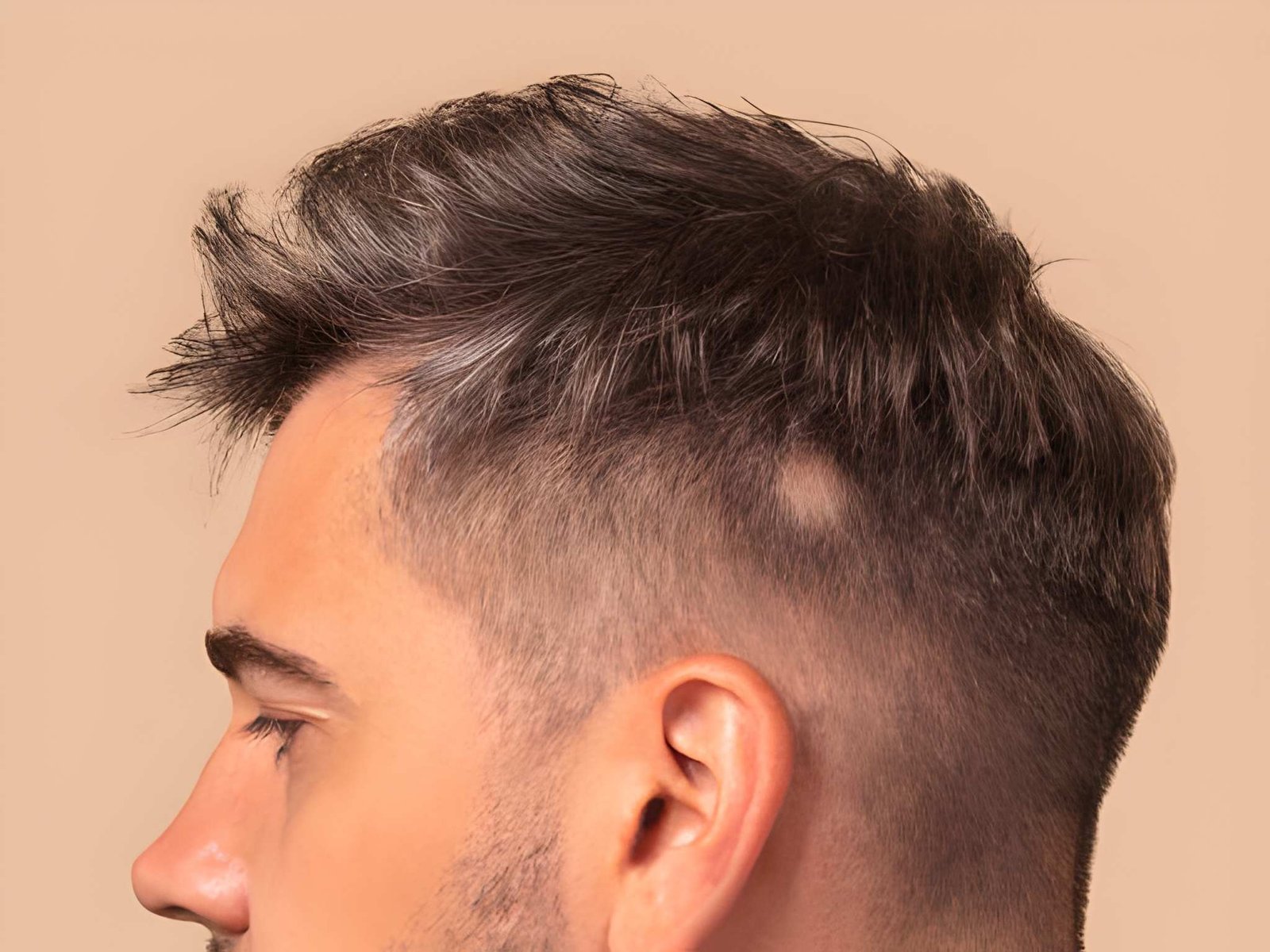
One smooth, well-defined round or oval patch of hair loss, often appearing suddenly while the surrounding scalp remains normal-looking.
Multiple Patches
Multiple Patch Alopecia Areata
Two or more distinct bald patches may develop on the scalp, sometimes at different times, requiring assessment of the overall extent and activity.
Alopecia Areata
Ophiasis Pattern
A band-like pattern of hair loss along the sides and lower back of the scalp. Its distribution can behave differently from typical patchy disease.
Extensive
Alopecia Totalis
A more extensive form of alopecia areata involving complete or near-complete loss of scalp hair and generally requiring closer, longer-term medical management.
Most Extensive
Alopecia Universalis
Hair loss affecting the scalp and much of the body, potentially including eyebrows and eyelashes, requiring specialised and closely monitored care.
Other Areas
Eyebrow, Eyelash & Beard Involvement
Alopecia areata can also affect eyebrows, eyelashes or beard hair. These areas are assessed separately and included in the overall treatment plan when appropriate.
Don't Wait It Out
Signs That You Should See An Alopecia Areata Specialist
A single small patch sometimes resolves without treatment, but certain changes mean it's worth getting an evaluation with an alopecia areata doctor in Delhi rather than waiting to see what happens. Early assessment can confirm whether the patch is alopecia areata and help determine whether treatment is appropriate.
A Sudden, Smooth Bald Patch
A round or oval area of hair loss that appears over a few days, especially when the skin underneath looks smooth without scaling or scarring, can be a typical early sign of alopecia areata.
A Patch That's Growing Or Spreading
An existing bald patch becoming larger, or new patches appearing elsewhere on the scalp, beard or eyebrows, is a reason to see an alopecia areata specialist in Delhi for an assessment of the condition's activity.
Nail Changes Alongside Hair Loss
Fine pitting, ridges or other nail changes can occur in some people with alopecia areata. If these changes appear alongside patchy hair loss, mention them during your dermatologist consultation.
A Family History Of Autoimmune Conditions
New patchy hair loss alongside a family history of alopecia areata, thyroid disease or other autoimmune conditions is worth discussing with a dermatologist rather than assuming it is ordinary hair fall.
Our Treatments
Alopecia Areata Treatment In Delhi Available At Skinfollix
Once alopecia areata is confirmed, our alopecia areata treatment clinic in Delhi recommends from a set of established options, matched to how many patches you have, how extensive they are, and how the condition has behaved so far.
Medical Treatment
Alopecia Areata Injection Treatment
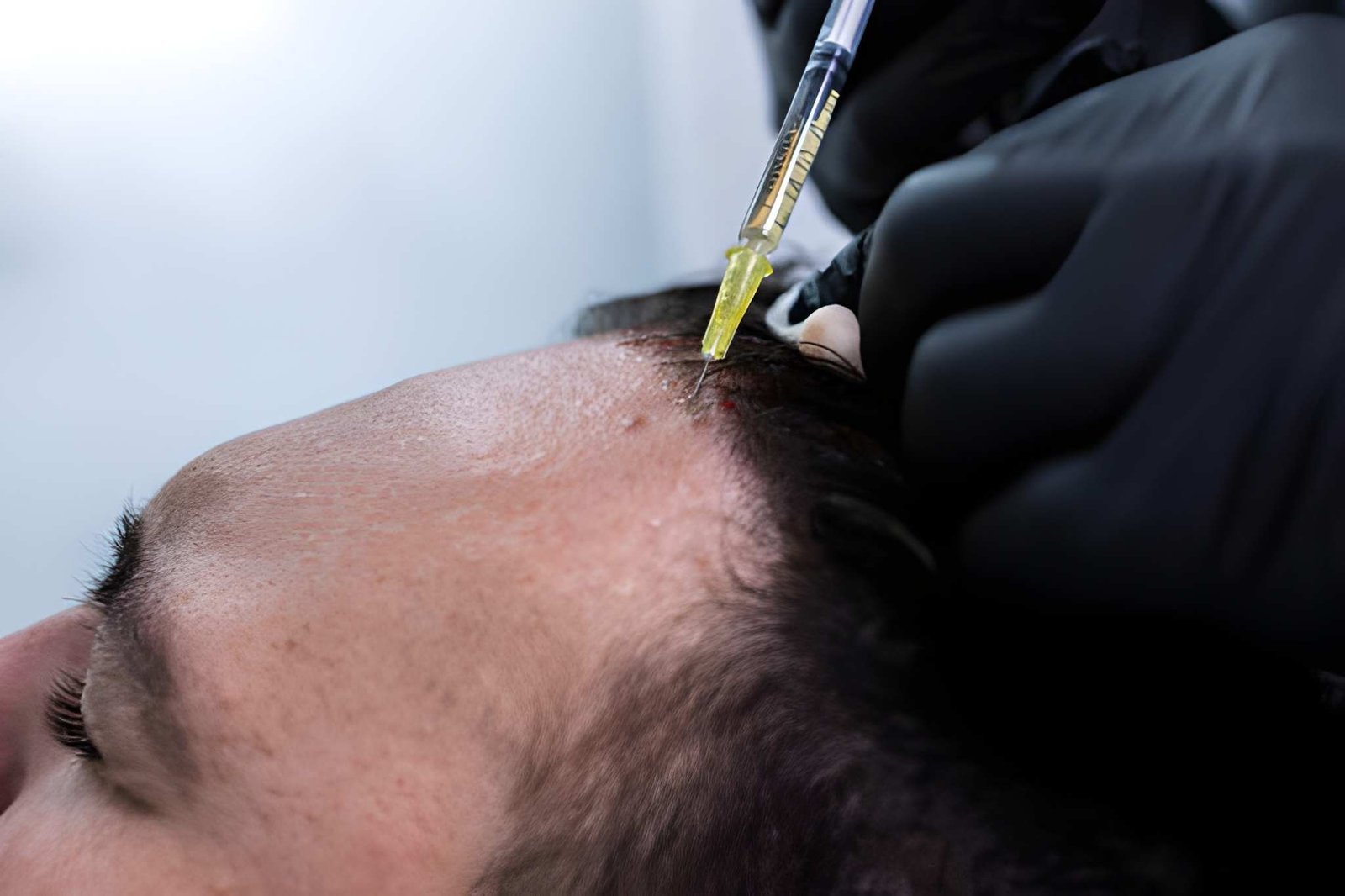
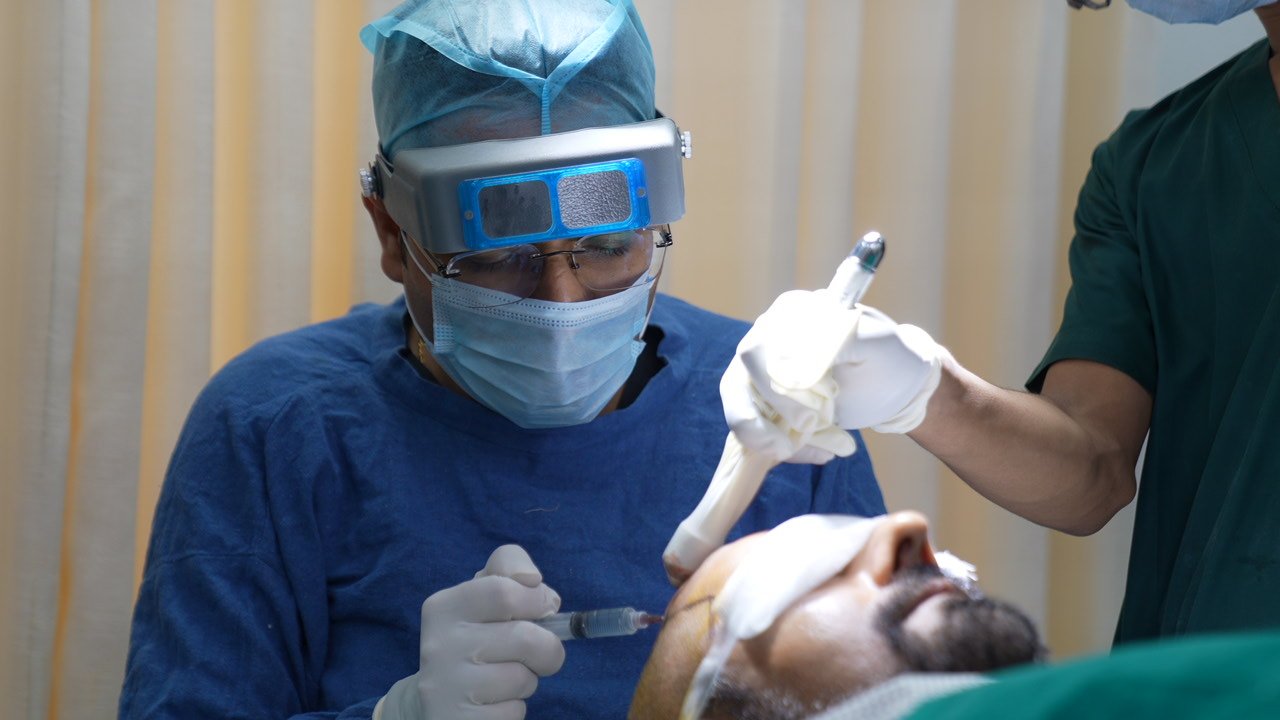
Intralesional corticosteroid injections are commonly used for localised alopecia areata, with small amounts of medicine delivered directly into and around affected patches. Your dermatologist determines whether injections are appropriate based on the size, number and location of your patches.
Targeted directly at affected patches
Usually repeated over a course of sessions

Topical Therapy
Topical Treatment
Depending on the presentation, prescribed topical corticosteroids, minoxidil or other topical medicines may be included in your alopecia areata treatment plan. They may be used for selected cases, including alongside injection treatment where appropriate.
Applied at home exactly as prescribed
May be combined with in-clinic treatment
Medical Therapy
Oral Medication
More extensive alopecia areata, including larger areas of scalp involvement or conditions such as alopecia totalis and universalis, may require prescription oral medication. These treatments are considered only for appropriately selected patients and require close dermatologist supervision.
Considered for selected extensive cases
Requires ongoing medical monitoring
Supportive Therapy
Supportive Scalp Therapy
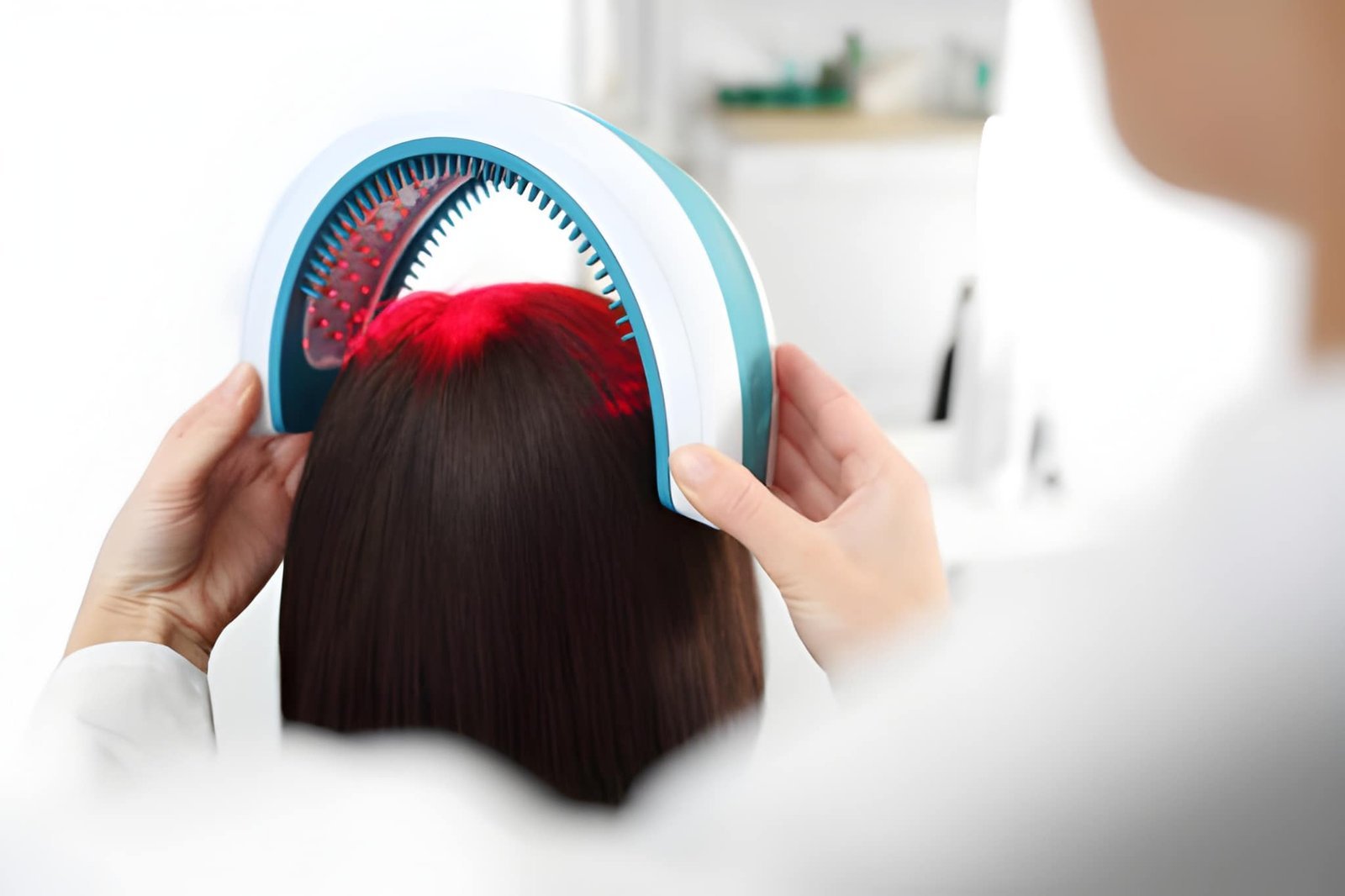
Depending on your case, supportive scalp therapies may be considered alongside primary alopecia areata treatment. The aim is to complement your medical plan where appropriate rather than replace treatments directed at the underlying condition.
Used alongside primary treatment
Selected according to your individual case
Interim Support
Camouflage & Interim Support
When visible patches affect day-to-day confidence, temporary camouflage options can be discussed while medical treatment takes effect. These measures are intended as practical interim support and are never presented as a replacement for appropriate alopecia areata treatment.
Practical support during the regrowth period
Never a substitute for medical treatment
Ongoing Care
Long-Term Monitoring & Support
Alopecia areata can improve, remain active or recur after regrowth, so treatment does not always end when a patch begins to fill in. Regular follow-up helps your dermatologist assess regrowth, identify new activity and adjust the treatment plan when needed.
Tracks regrowth and new patch activity
Treatment adjusted according to response
How It Works
Our Alopecia Areata Treatment Process
Every alopecia areata treatment in Delhi at Skinfollix follows a consistent, doctor-led process — because this is a condition that needs monitoring over months, not a single visit.
Trichoscopy and a detailed history confirm that alopecia areata, specifically, is causing your patchy hair loss, and rule out other possible causes before any treatment begins.
01
Mapping The Extent
The number, size and location of patches are documented, giving a clear baseline to measure progress against at future visits.
02
Treatment Sessions
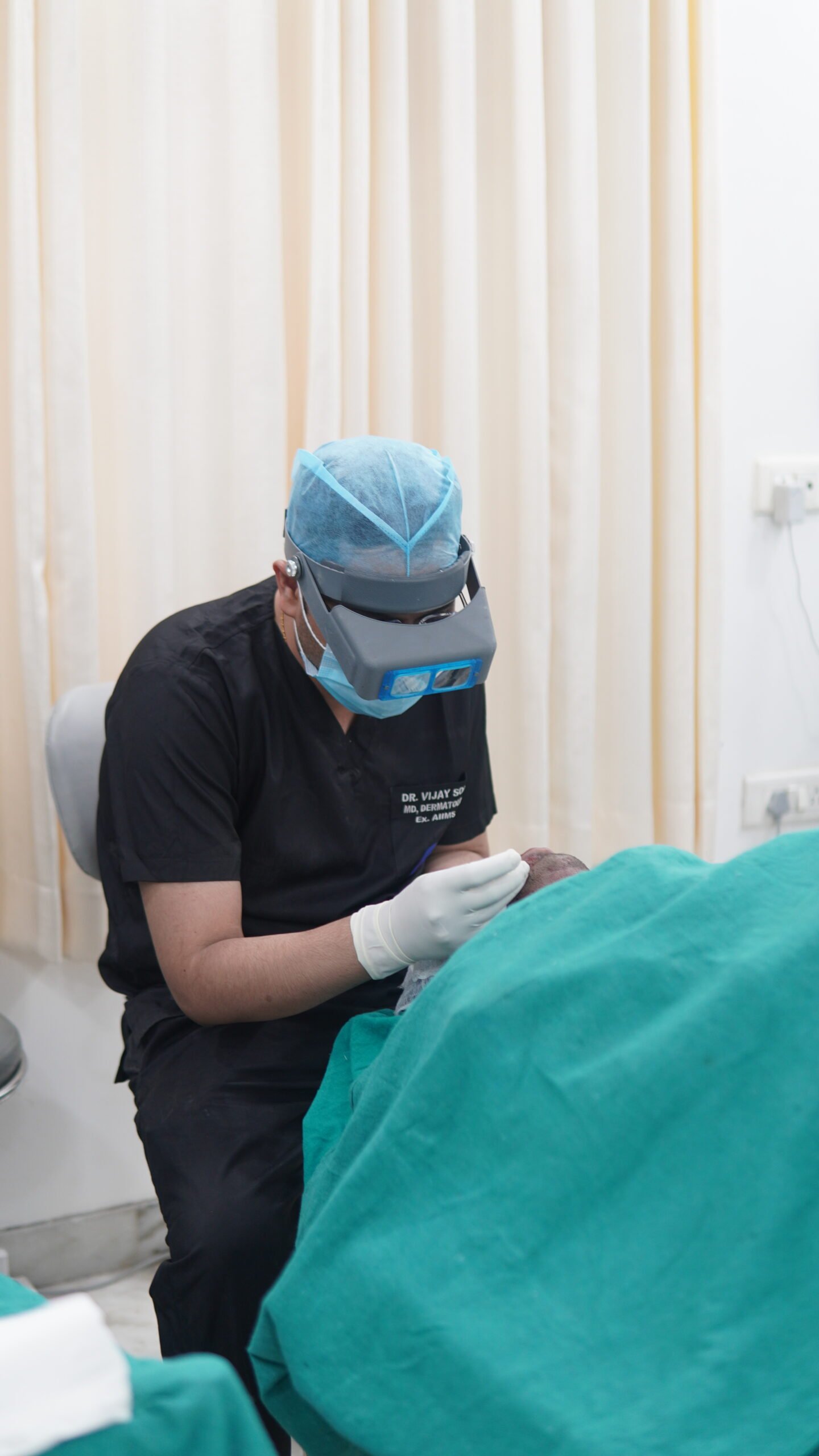
Intralesional injections, topical treatment, oral medication or supportive therapy are administered based on your specific pattern of alopecia areata, following the plan agreed at consultation.
03
Ongoing Monitoring & Adjustment
Follow-up visits track how each patch is responding, allow the plan to be adjusted if progress is slower than expected, and help catch any new patches early if they appear.
04
Real Results
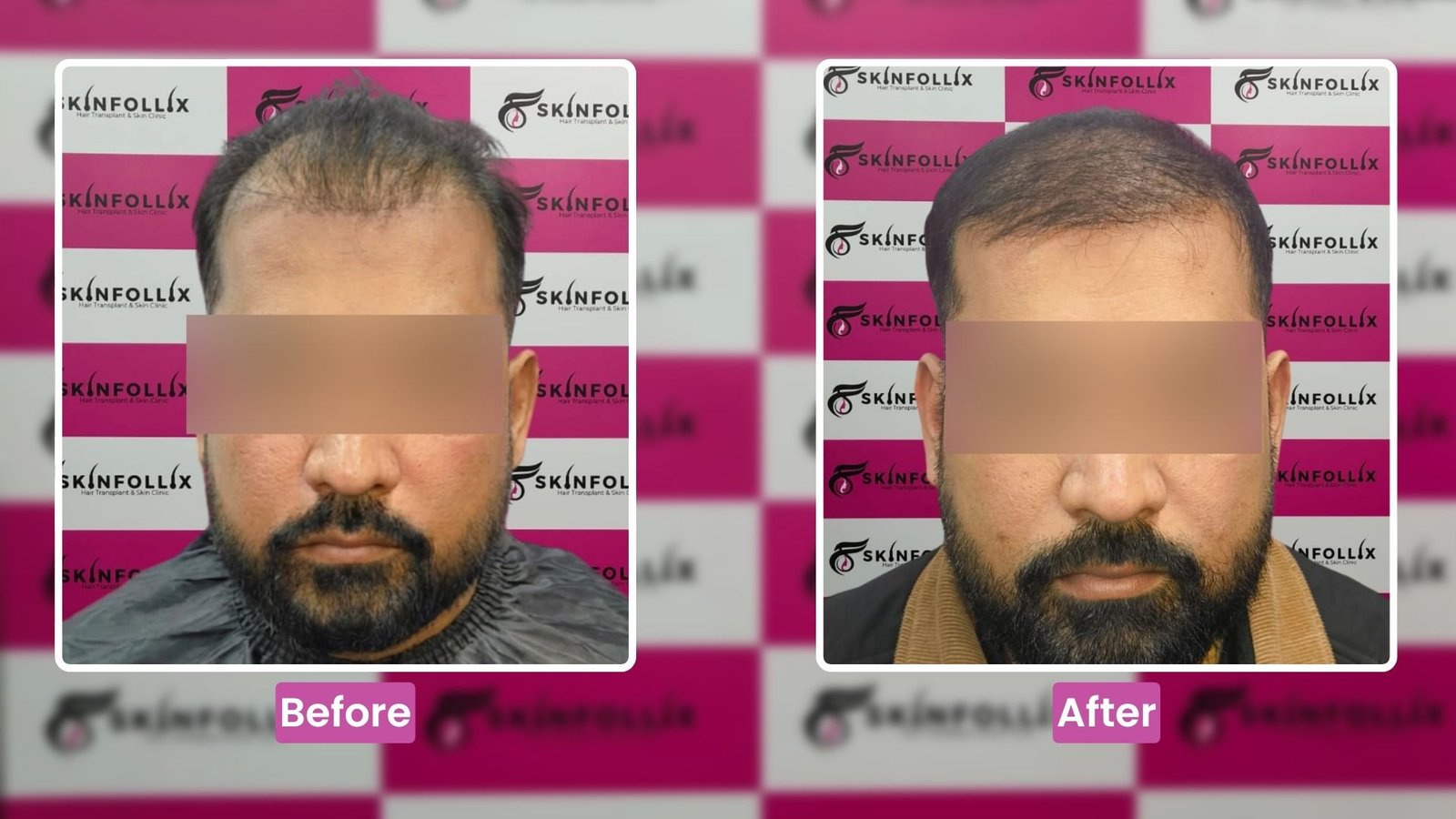
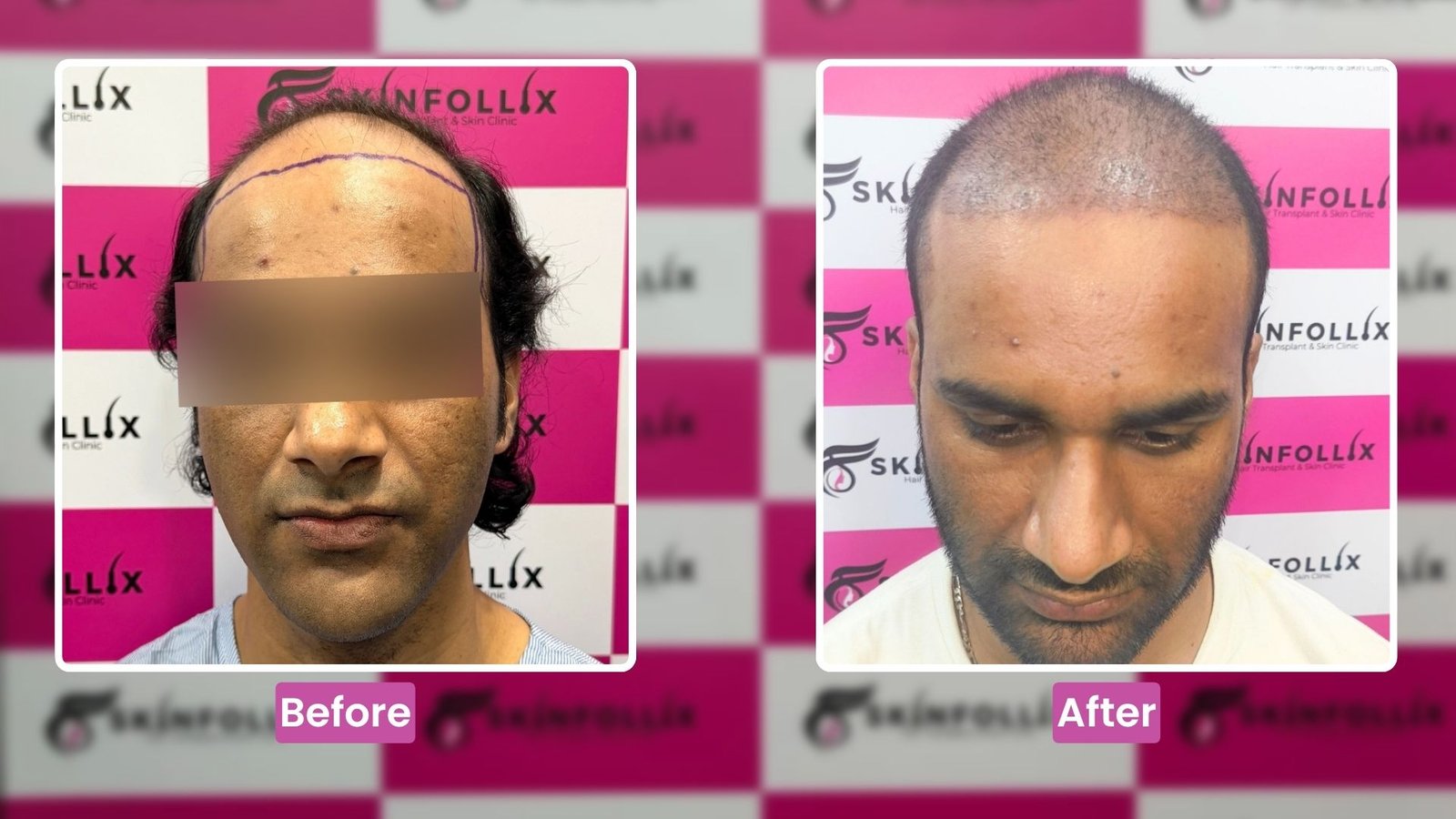
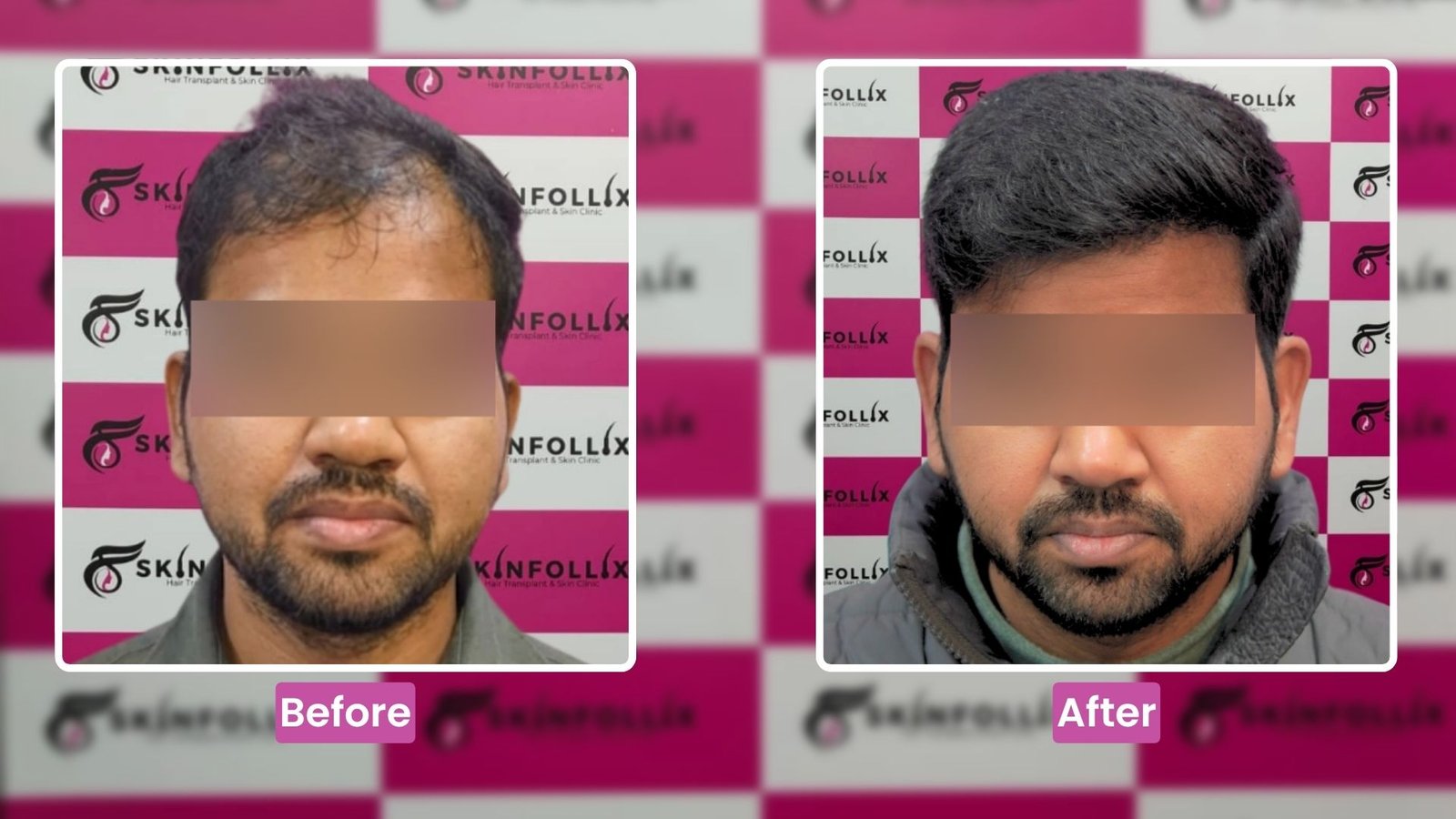
Alopecia Areata Regrowth Before And After Results
Alopecia areata treatment in Delhi at Skinfollix is tracked with real, monitored progress rather than vague reassurance. Below are outcomes from patients treated for alopecia areata, followed by our alopecia areata specialist in Delhi from diagnosis through to follow-up. Alopecia areata can behave unpredictably and may recur even after regrowth — individual results vary based on the pattern, extent and how the condition responds over time.
*Results shown are actual patient outcomes. Alopecia areata can recur or behave unpredictably; individual results depend on the pattern, extent, and how the condition responds to treatment over time.
Aftercare Timeline
Recovery Time And Aftercare
Alopecia areata doesn't follow one fixed recovery timeline — patch behaviour genuinely varies between patients. Here's a general guide to what to expect at each stage after starting alopecia areata injection treatment at Skinfollix.
What To Expect
Mild tenderness, slight redness, or a small indentation at injection sites within the patch.
The treated patch may still look largely unchanged during the first few days.
How To Care
Avoid rubbing or scratching treated areas.
Keep the scalp clean without harsh products for the first day.
Patient Voices
Real Patient
Success Stories
Genuine feedback from patients who chose
alopecia areata treatment in Delhi
at Skinfollix — diagnosed and treated by an
AIIMS-trained, board-certified dermatologist using
injection therapy, medical management and structured
follow-up specific to alopecia areata.
4.9
Google Rating · 500+ Reviews
Swipe to read more stories
Single Patch
"One morning I noticed a smooth bald spot near my crown that hadn't been there the day before. It turned out to be alopecia areata. The injections weren't fun, but the patch has filled back in over a few months."
Aditya Verma
Alopecia Areata Injection Treatment
Multiple Patches
"I had three separate patches show up within a couple of months, which was scary. Getting an actual diagnosis instead of guessing helped me stop panicking and just follow the plan."
Kavita Rawat
Alopecia Areata Treatment
Thyroid Connection
"Nobody had connected my patchy hair loss to my thyroid before this consultation. Treating both together has made a noticeable difference, and I finally understand why it was happening."
Rohan Mehta
Alopecia Areata & Thyroid Evaluation
Eyebrow Involvement
"My alopecia areata started on my scalp but then affected one eyebrow too. The topical treatment for that area alongside the scalp injections has helped both come back."
Simran Kaur
Alopecia Areata Topical Treatment
Long-Term Monitoring
"What's helped most isn't just the treatment itself but the regular check-ins. A new small patch was caught early at a follow-up and treated before it got bigger."
Farhan Ali
Alopecia Areata Follow-Up Care
Realistic Expectations
"I appreciated that the dermatologist didn't promise a guaranteed timeline. Alopecia areata is unpredictable, and being told that upfront made the actual progress feel more trustworthy."
The price of
alopecia areata treatment in Delhi
depends on how many patches you have, their size and
location, and the treatment approach recommended. The
ranges below are indicative estimates only — your
alopecia areata dermatologist in Delhi
will confirm the exact treatment price after an
in-person assessment.
Targeted Treatment
Intralesional Injection Treatment
Intralesional corticosteroid injections are
delivered directly into and around affected
patches and are commonly used for localised
alopecia areata.
Estimated Range
₹1,500 – ₹4,000
/ session
*Exact cost confirmed only after in-person diagnosis.
Priced per session, often based on the patches treated
Usually needs a course of repeated visits
Cost depends on the number and size of patches
Most Commonly Chosen
Medical Management (Topical & Oral)
Prescribed topical or oral medicines may be
recommended for selected cases depending on
the extent of alopecia areata and the areas
involved.
Estimated Range
₹2,000 – ₹6,000
/ consultation + medication
*Exact cost confirmed only after in-person diagnosis.
Suited to milder or more widespread alopecia areata
May be combined with injection therapy when appropriate
Ongoing cost depends on the duration of medication needed
Supportive Therapy
Supportive Scalp Therapy
Selected supportive therapies may be considered
alongside primary treatment to support the scalp
environment during the regrowth process.
Estimated Range
₹4,000 – ₹12,000
/ session
*Exact cost confirmed only after in-person diagnosis.
Used as a complement to, not a replacement for, primary treatment
Minimal downtime
Typically assessed after a few sessions
Note:
The figures above are broad, indicative estimates for
general reference only — not a quote, invoice or approved
price list. Your final
alopecia areata treatment cost in Delhi
is determined after an in-person diagnosis with our
dermatologist, based on the number and extent of patches
and the treatment plan required.
AIIMS-Trained
MD Dermatology · New Delhi
Your Alopecia Areata Specialist
Meet Your Dermatologist
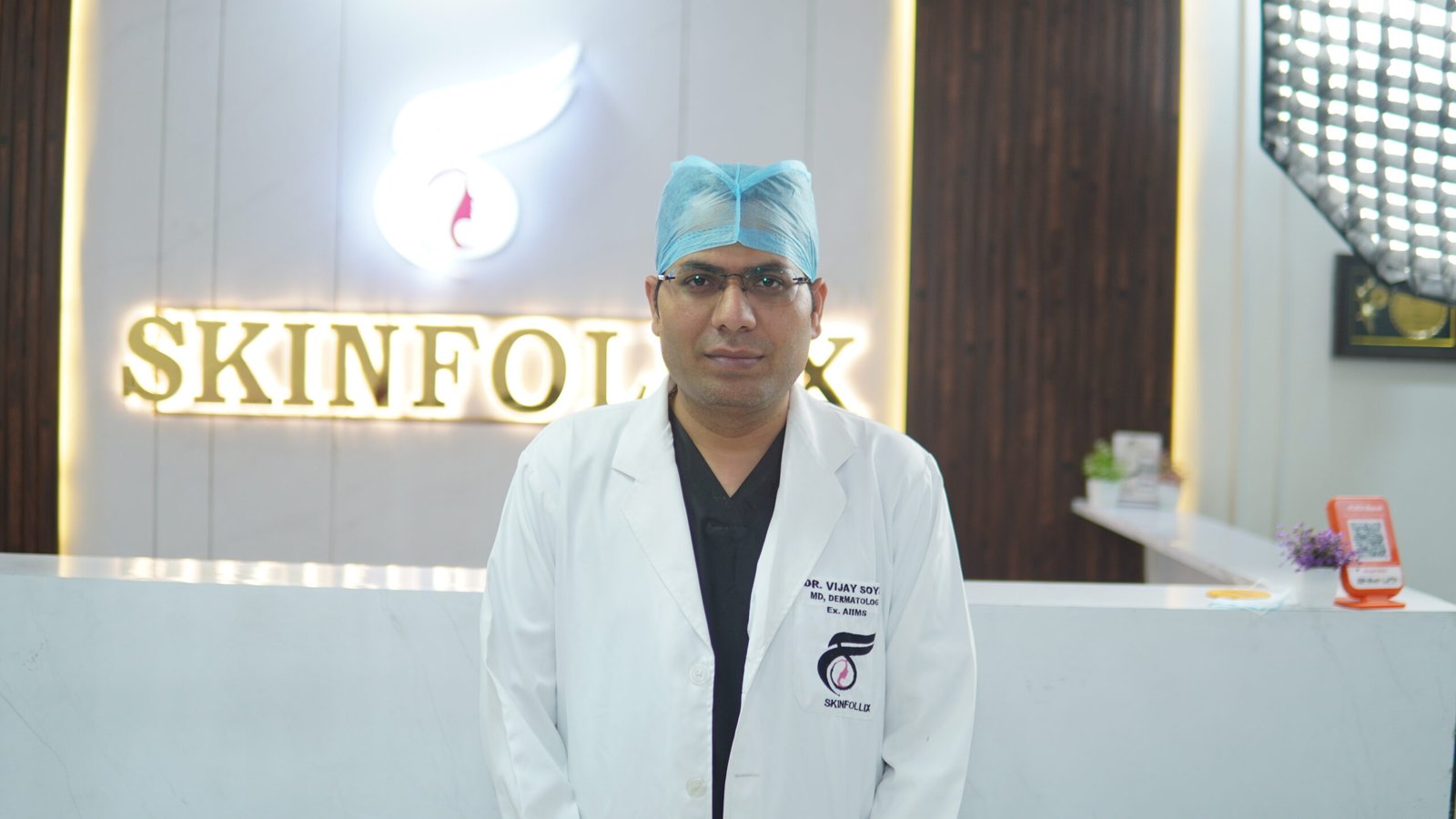
Dr. Vijay Soyal, MD · AIIMS-Trained, Board-Certified Dermatologist
MD Dermatology
AIIMS, New Delhi
15+ Years
Treating Alopecia Areata & Patchy Hair Loss
3,000+ Patients Treated
For Hair Loss Across Delhi NCR
Every
alopecia areata treatment in Delhi
at Skinfollix begins with confirming the diagnosis —
the pattern, borders and behaviour of each patch —
before anything is prescribed. Dr. Vijay Soyal is an
AIIMS-trained, board-certified dermatologist with over
15 years of clinical experience managing alopecia areata,
from single small patches to more extensive involvement
such as alopecia totalis. As an
alopecia areata specialist in Delhi,
his approach centres on careful intralesional injection
technique, appropriate combination therapy where needed,
and structured long-term monitoring, since this condition
can recur even after a strong response to treatment.
He is upfront with patients about what is realistic to
expect and what isn't — an approach that patients value
when searching for the
best doctor for alopecia areata in Delhi:
care from someone who treats this specific condition,
explains it clearly, and stays involved beyond the first
visit.
Everything patients ask before booking alopecia areata treatment in Delhi at our clinic — from diagnosis and injections to cost and long-term outlook.
Visit Us
Alopecia Areata Treatment In Delhi — Visit Our Clinic
Conveniently located in Paschim Vihar, Delhi NCR — visit Skinfollix for a consultation with our alopecia areata specialist to discuss diagnosis, injection treatment, or a personalised plan for your patches.