
-
Hair
Hair LossHair Treatments
-
Skin
Acne & ScarsPigmentationSkin ConcernsSkin Diseases & Growths
- Anti-Ageing
-
Laser
Laser Hair RemovalLaser Skin Rejuvenation
- Hair Transplant
- Result Gallery
- About Us
Wart Removal Treatment in Delhi
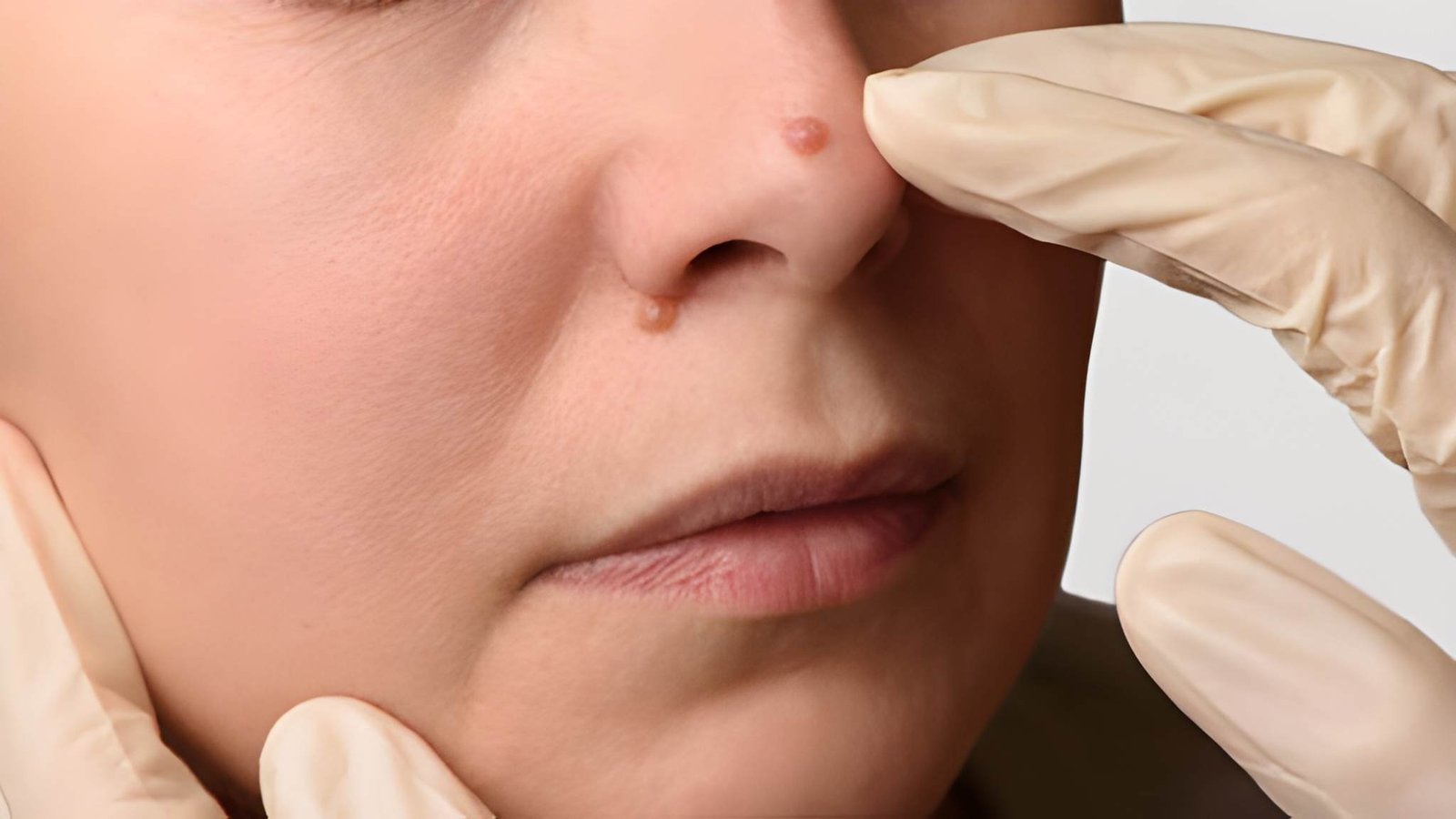
Wart removal treatment in Delhi should start with identifying the type of wart and where it is located, since these factors help determine the most appropriate treatment approach. Common warts, plantar warts and flat warts can respond differently to treatment, which is why proper dermatological assessment matters before choosing a removal method. At Skinfollix, our AIIMS-trained, board-certified dermatologist examines your wart individually and considers its type, location, size and clinical appearance before recommending treatment. Depending on your assessment, options may include laser removal, cryotherapy, electrocautery or a combination approach where appropriate. Our focus is on effective wart removal with careful treatment planning, minimal unnecessary tissue damage and appropriate guidance to help reduce the risk of recurrence.
Book Your Wart Removal Consultation
Tell us a bit about your wart — our wart removal specialist in Delhi will get in touch to plan your personalised assessment.
What Is A Wart?
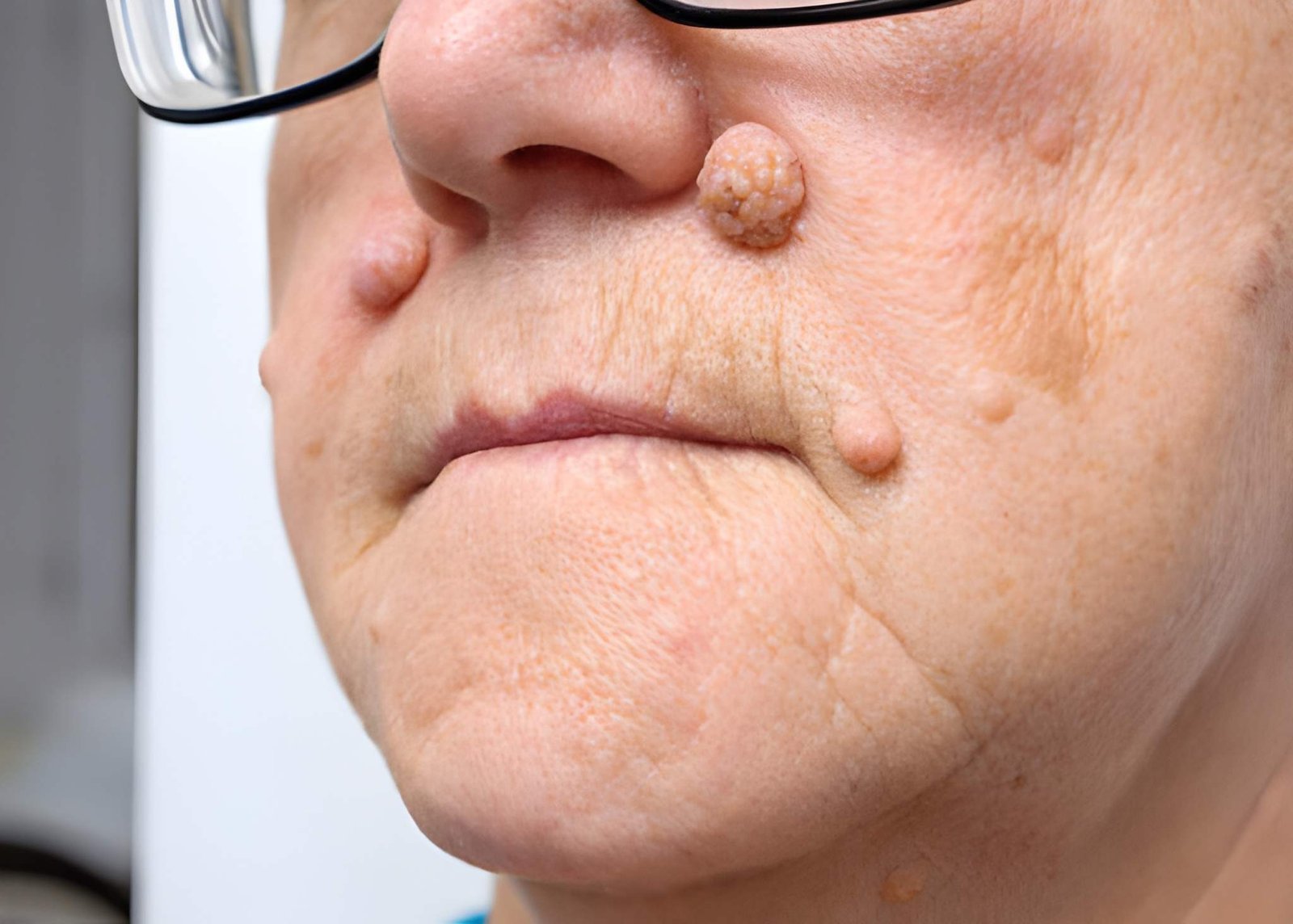
A wart is a small, rough skin growth caused by infection with the human papillomavirus (HPV). The virus can trigger rapid growth of skin cells on the surface, creating a raised or textured bump. Warts can appear anywhere on the body but are commonly found on the hands, fingers, feet and around the nails. They can spread through direct skin-to-skin contact or contact with contaminated surfaces, which is why they may be more common in shared environments such as gyms and swimming pools. Unlike moles, warts are contagious, and different HPV strains are associated with different wart types, including common warts, plantar warts and flat warts. Each type can have a different appearance and may require a different treatment approach. Some warts may disappear naturally over time as the immune system clears the virus, while others can persist or spread. Picking, scratching or shaving over a wart may also encourage it to spread to nearby areas. This is why wart removal treatment in Delhi should begin with identifying the specific type and location of the wart. A plantar wart on a weight-bearing area of the foot, for example, may require a different approach from a flat wart occurring on the face.
Types Of Warts We Treat
Not every wart responds to the same treatment, which is why wart removal treatment in Delhi at Skinfollix begins with identifying the specific type. Our wart removal dermatologist in Delhi evaluates the wart's location, depth and appearance before recommending the most appropriate treatment approach.
 Type 01
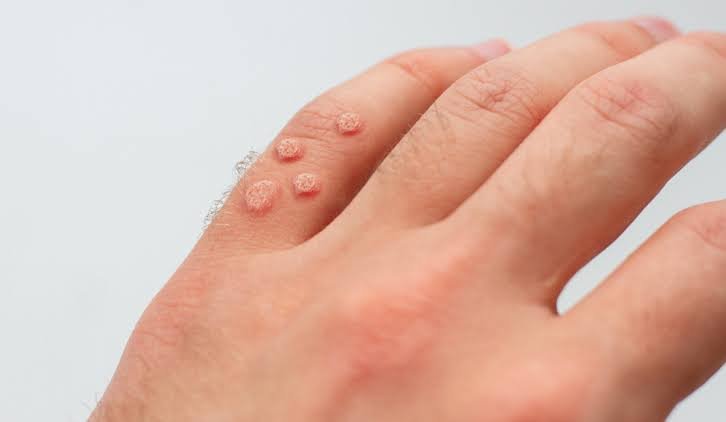
Common Warts
Rough, raised bumps typically found on the hands and fingers, often with a distinctive rough or cauliflower-like surface. Treatment is selected according to the wart's size, location and depth.
 Type 02
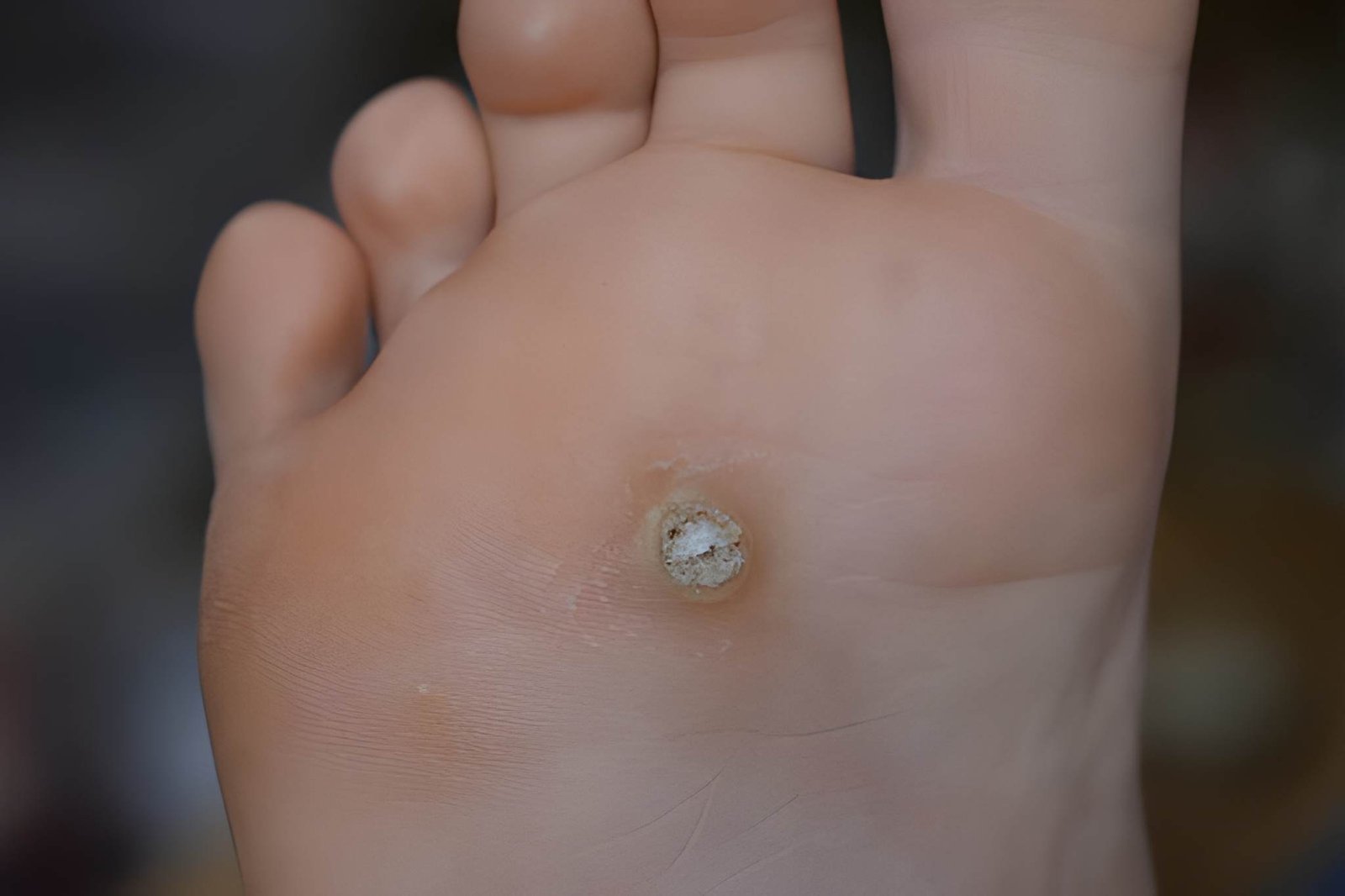
Plantar Warts
Warts that develop on the soles of the feet and may grow inward because of pressure from walking. Their weight-bearing location can make them uncomfortable and may require targeted treatment.
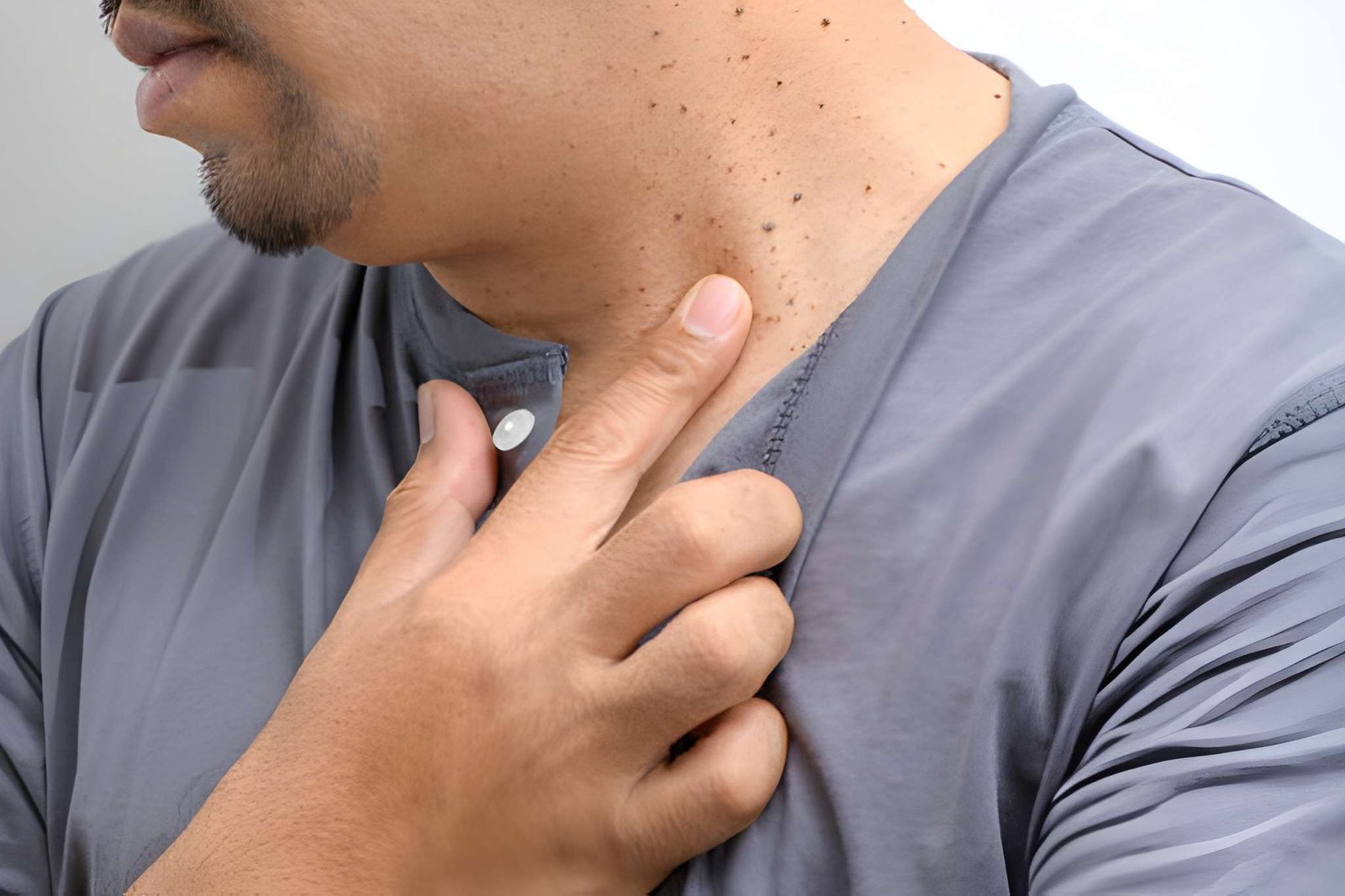 Type 03
Flat Warts
Smaller and smoother warts that can appear in clusters on the face, hands or legs. Their often visible locations mean gentler treatment techniques may be preferred after dermatological assessment.
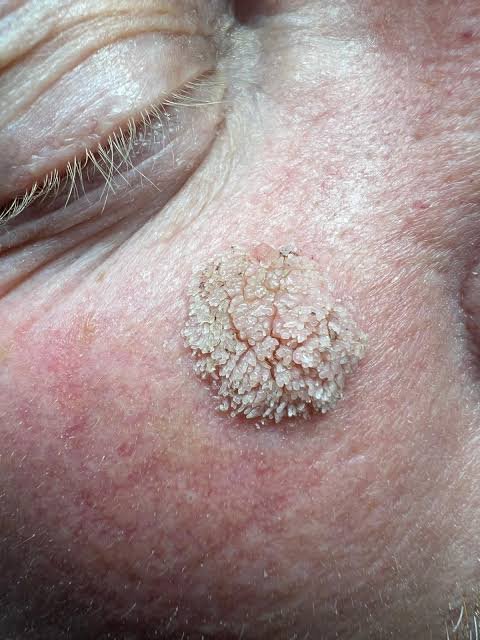 Type 04
Filiform Warts
Thread-like or finger-shaped warts commonly found around the mouth, nose or eyes. Because these are delicate areas, precise dermatologist-guided removal is particularly important.
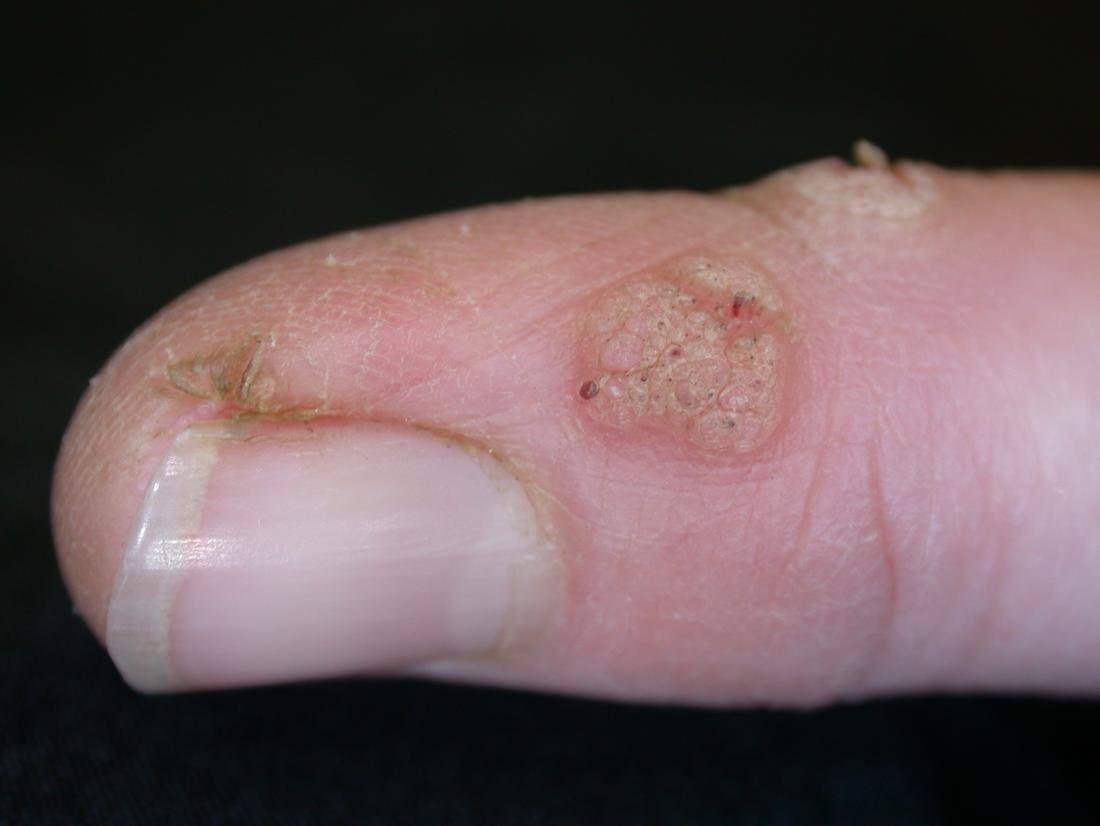 Type 05
Periungual Warts
Warts that develop around or underneath the nails. They can be more stubborn to treat and require careful removal techniques to protect the surrounding skin and nail growth.
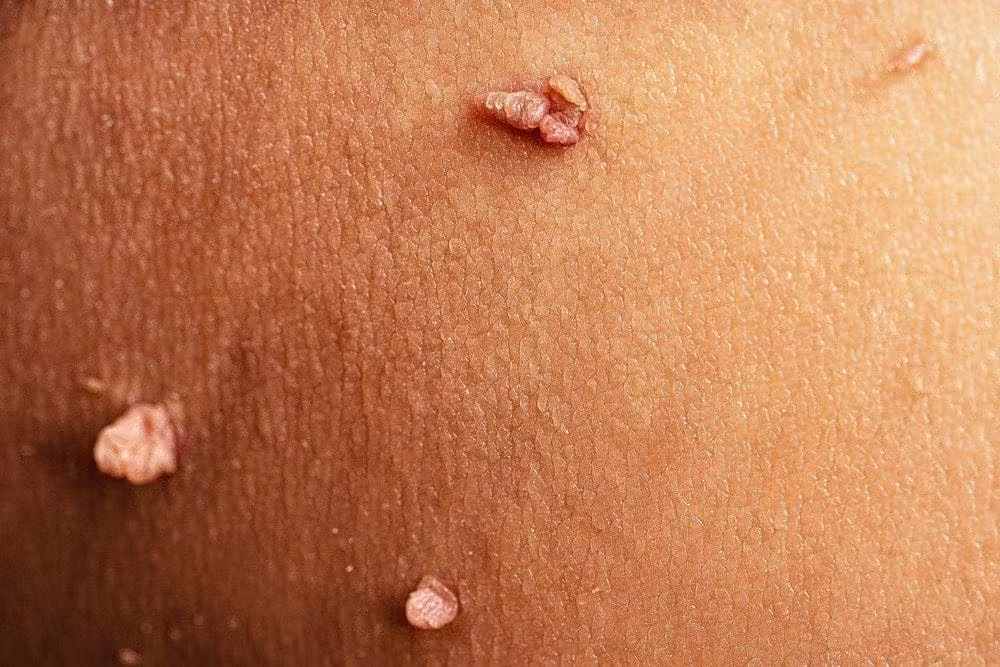 Type 06
Genital Warts
Warts affecting the genital area that require a specific and sensitive treatment approach. Assessment by a qualified dermatologist helps determine the appropriate management for this location.
Why Choose Skinfollix For Wart Removal Treatment In Delhi?
Warts respond differently depending on their type and location, which is why guesswork can lead to recurrence. Every wart removal treatment in Delhi at Skinfollix is led by an AIIMS-trained, board-certified dermatologist who identifies the wart type before recommending laser removal, cryotherapy, electrocautery or a combination approach.
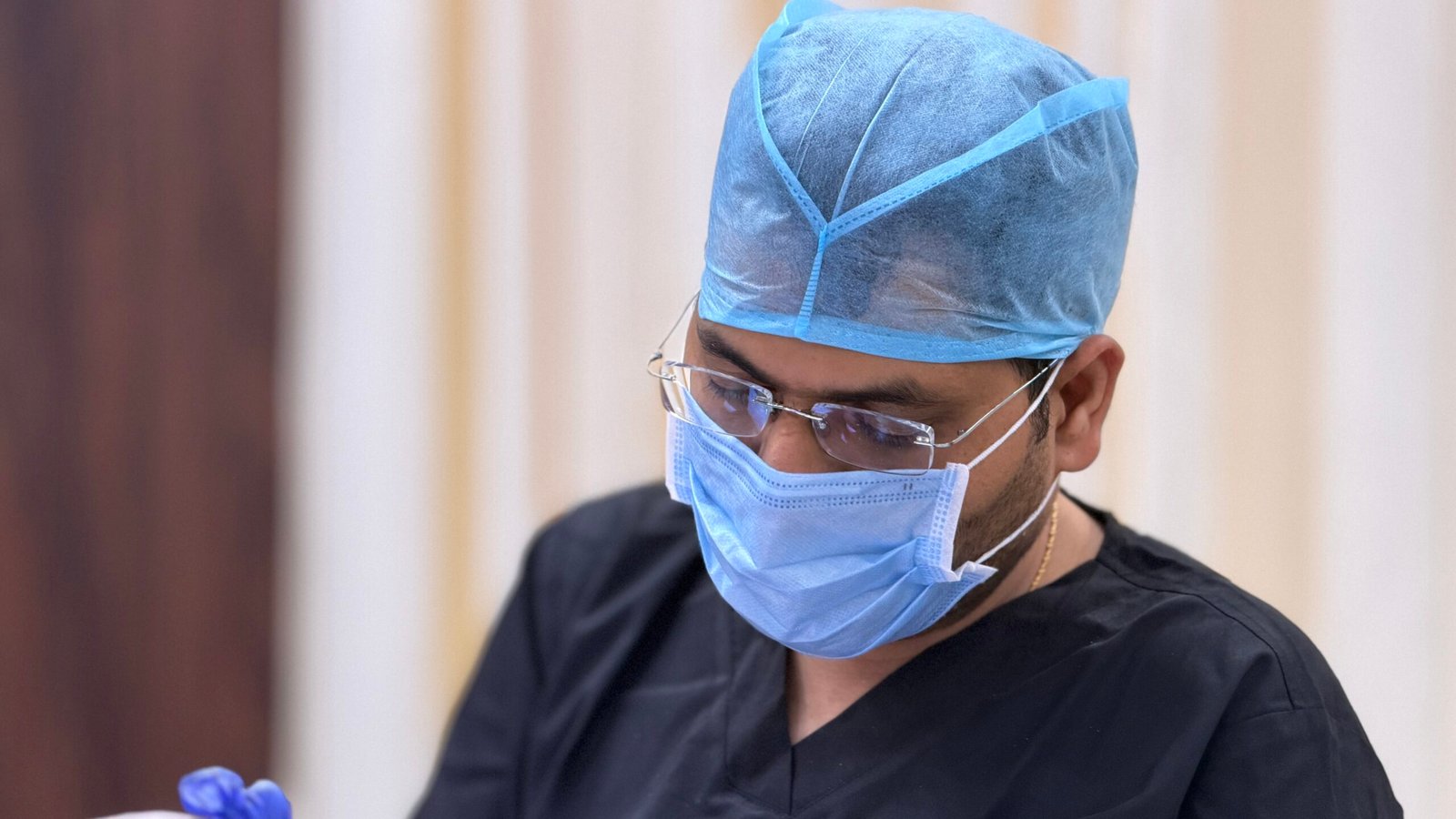
Experienced Dermatologist
An AIIMS-trained, board-certified dermatologist personally examines your wart across Delhi NCR before recommending the most appropriate removal method.
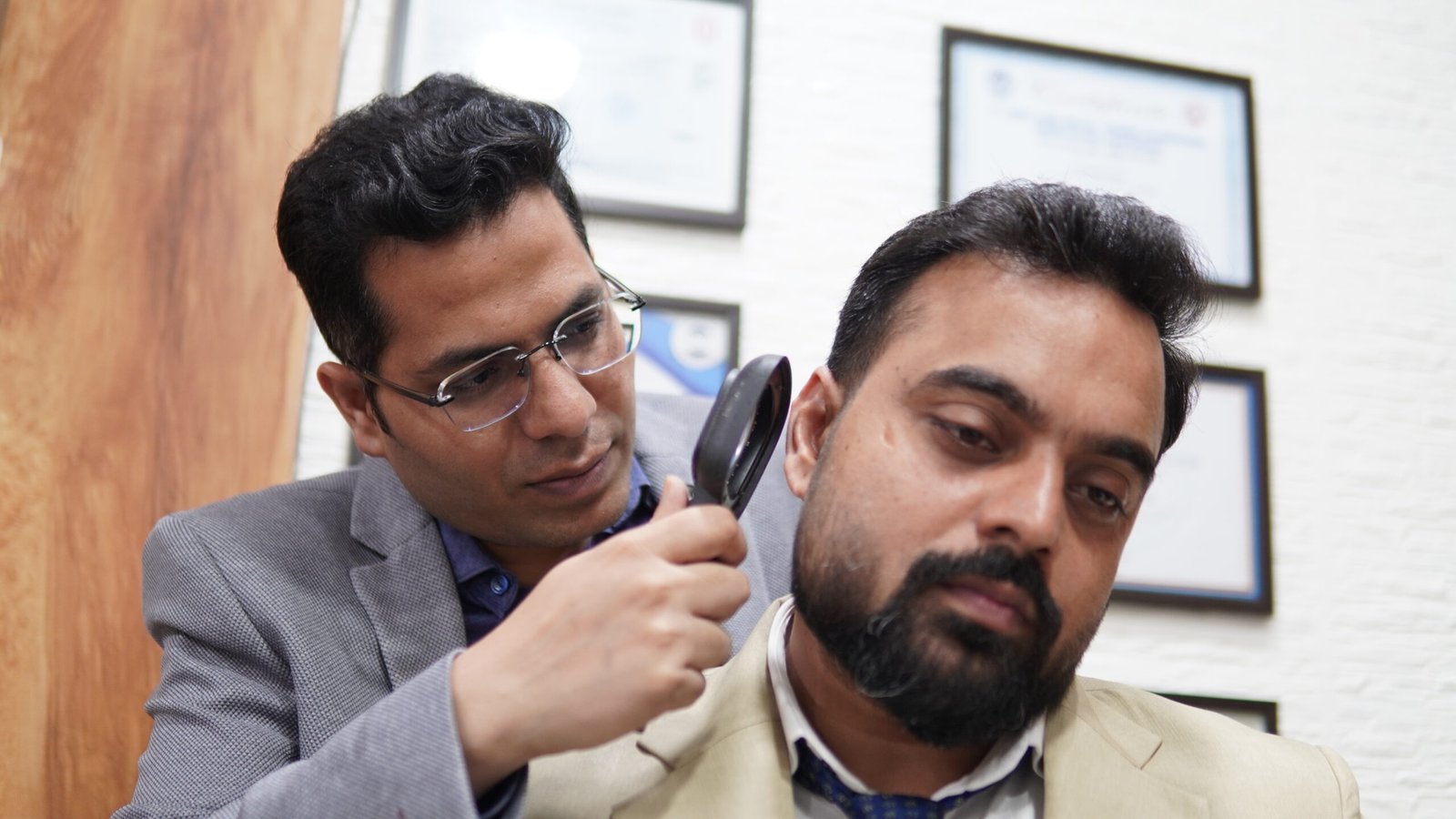
Accurate Wart Identification
Our wart removal dermatologist in Delhi identifies the specific wart type, since common, plantar, flat and other warts can require different treatment approaches.
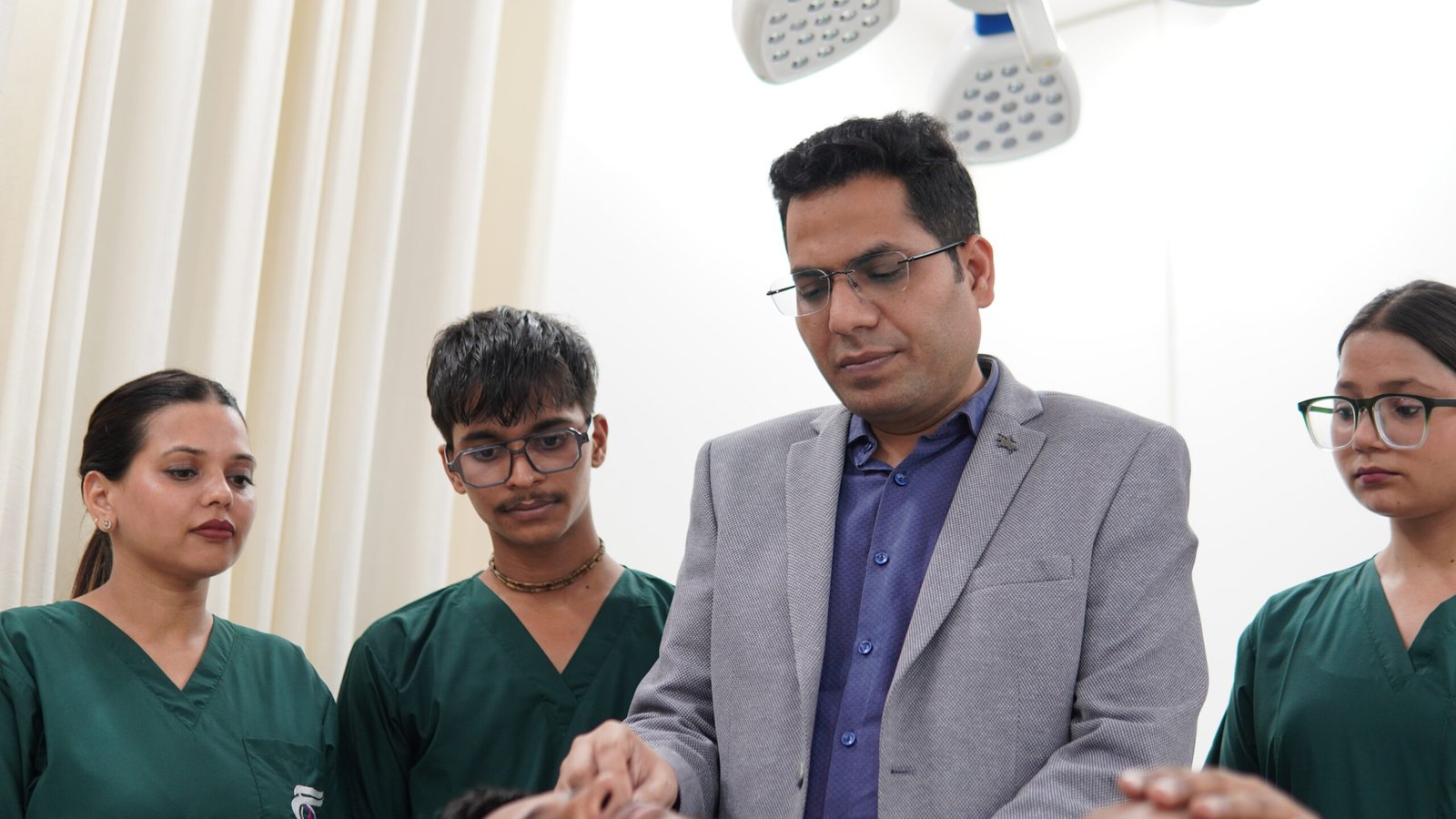
Multiple Removal Techniques
From laser wart removal to cryotherapy and electrocautery, we select the technique according to your wart's type, location and clinical characteristics.
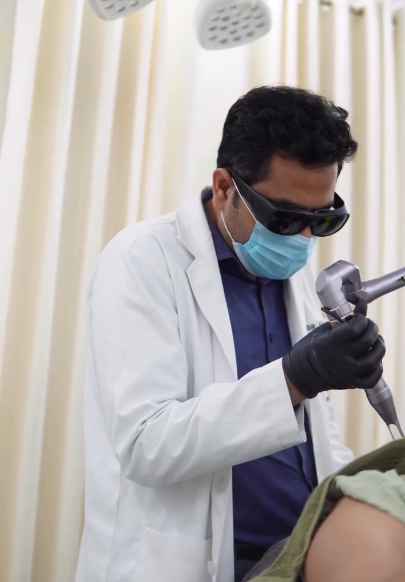
Low Recurrence Focus
Treatment is planned with the goal of thorough wart removal, helping reduce the possibility of the wart returning in the same area.
Careful Technique For Sensitive Areas
Warts near the face, nails or genital area are assessed carefully so the treatment approach can account for the sensitivity and visibility of the location.
Focus On Complete, Lasting Removal
Every wart removal plan at Skinfollix is selected after proper assessment and tailored to the wart's type and location. The aim is thorough removal while minimising recurrence and unnecessary skin damage.
Book ConsultationOur Wart Removal Treatment Process
Every wart removal treatment in Delhi at Skinfollix follows a clear, dermatologist-led process — from accurate identification to complete removal.

Consultation
Your wart removal consultation begins with understanding the wart, how it has changed and what you want from treatment:
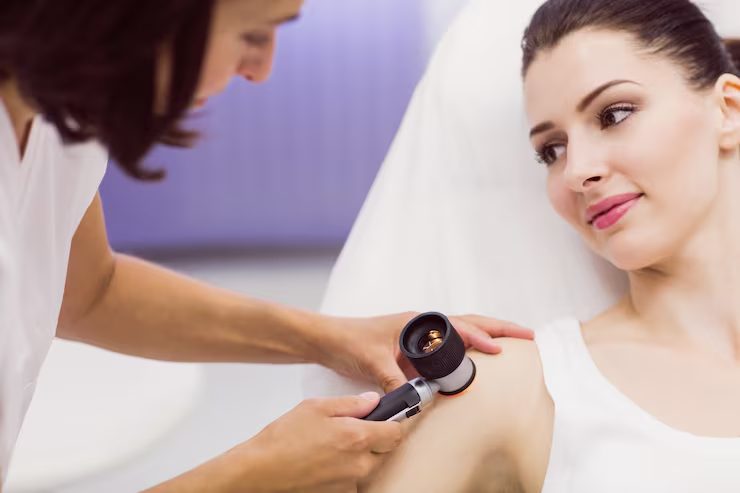
Wart Examination
Before recommending wart removal, your dermatologist carefully evaluates the wart and surrounding skin:

Removal Method Selection
The removal technique is selected according to your wart's type, size, depth and location:

Pre-Procedure Preparation
Once the removal plan is confirmed, the treatment area is prepared carefully before the procedure:

Removal Procedure
Your selected wart removal procedure is performed by the dermatologist with precision according to the assessment:

Aftercare & Follow-Up
Proper aftercare supports healing while follow-up allows your dermatologist to assess treatment response:
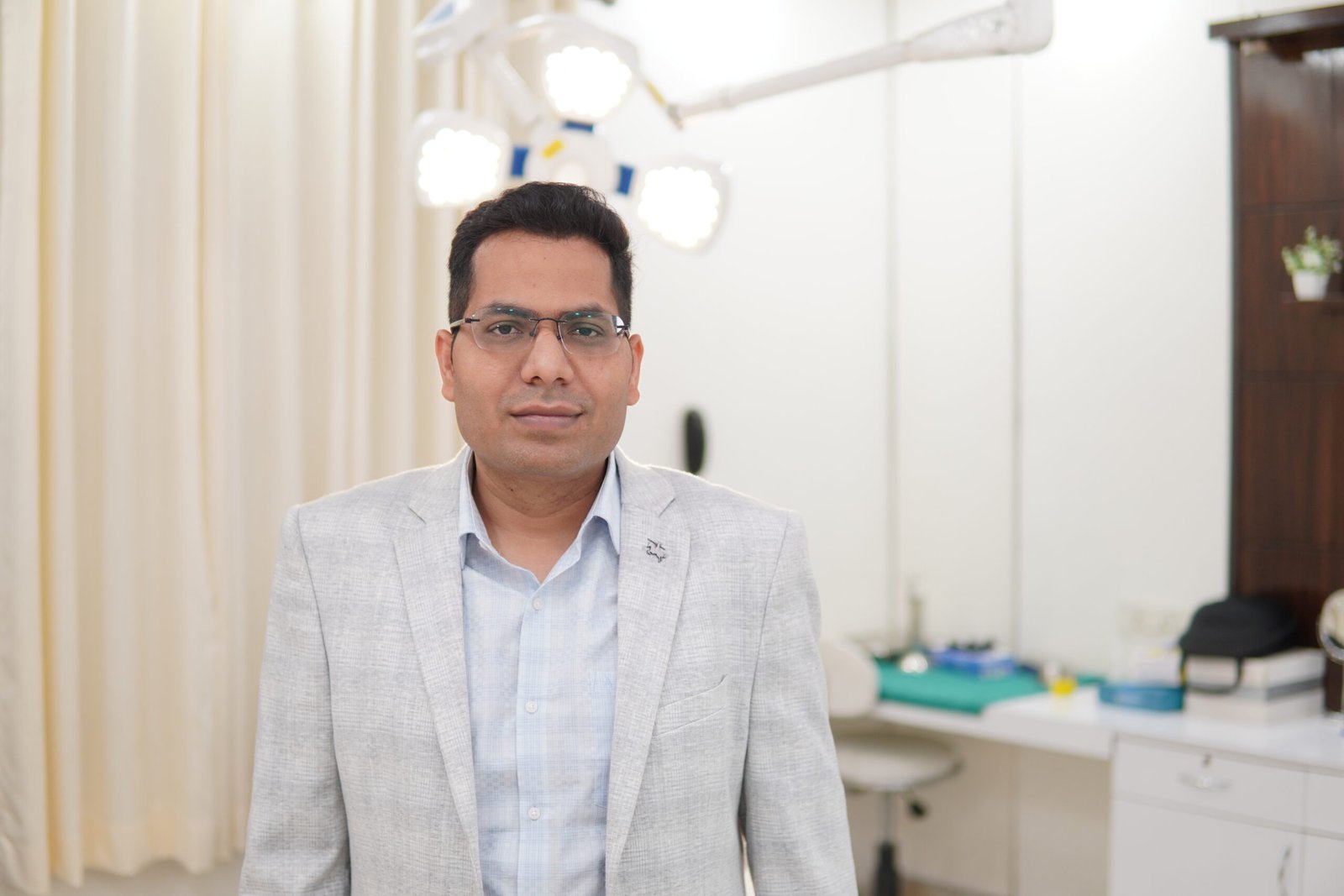
Meet Your Dermatologist
Dr. Vijay Soyal, MD · AIIMS-Trained, Board-Certified Dermatologist
Every wart removal treatment in Delhi at Skinfollix begins with identifying the specific type and depth of your wart. Dr. Vijay Soyal is an AIIMS-trained, board-certified dermatologist with over 15 years of clinical experience treating common, plantar, flat and periungual warts using laser removal, cryotherapy and electrocautery. As a trusted wart removal dermatologist in Delhi, he focuses on complete removal while aiming to minimise recurrence and unnecessary scarring, rather than relying on a quick surface treatment. This thorough, technique-matched approach is exactly what patients look for when searching for the best dermatologist for wart removal in Delhi.
Know Your Dermatologist