New DelhiB-2/6, Road, B 2 Block, Paschim Vihar, New Delhi, Delhi, 110063+91 8929299529
Skinfollix Hair & Dermatology Clinic, Delhi
Alopecia Treatment In Delhi
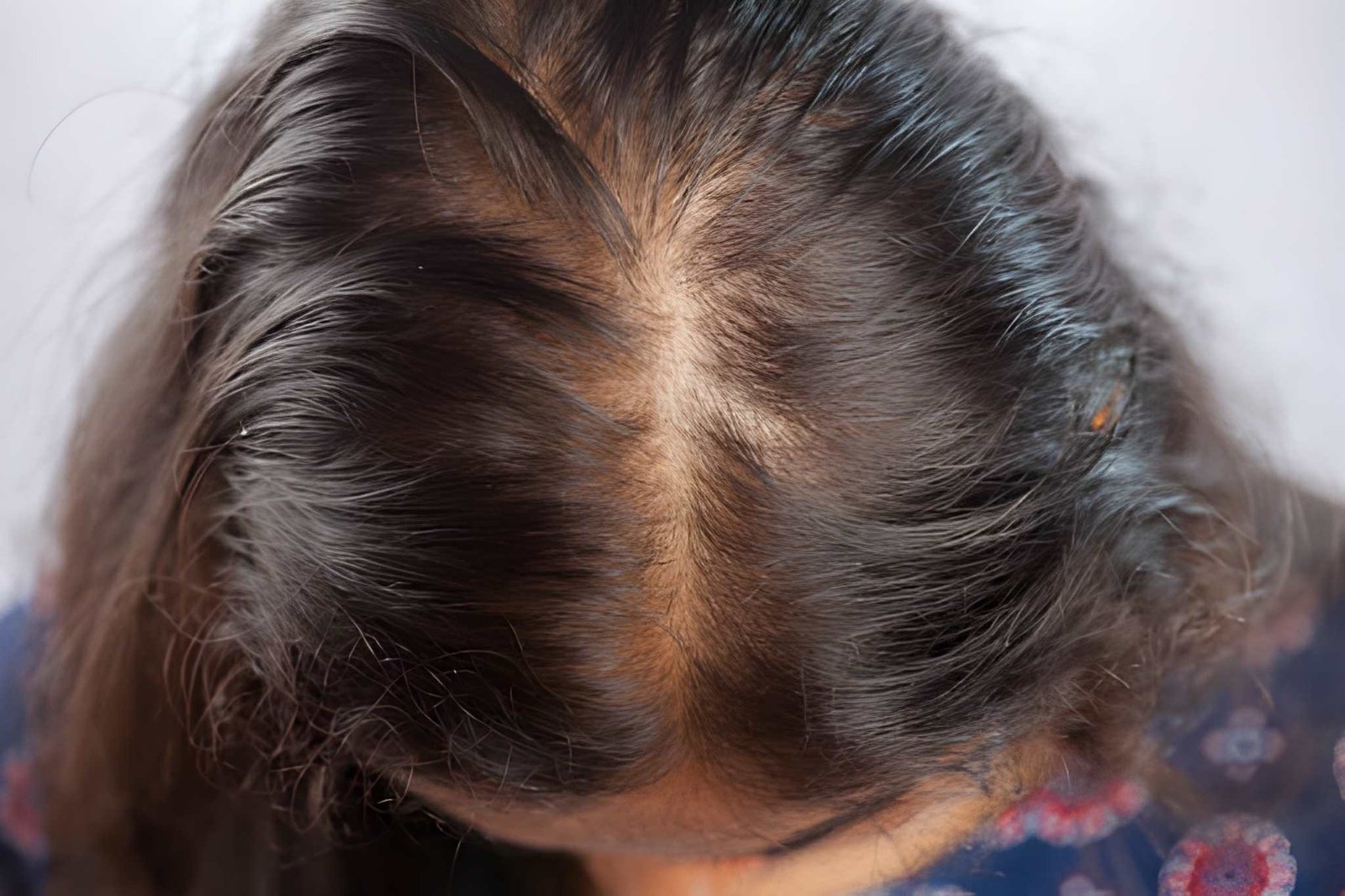
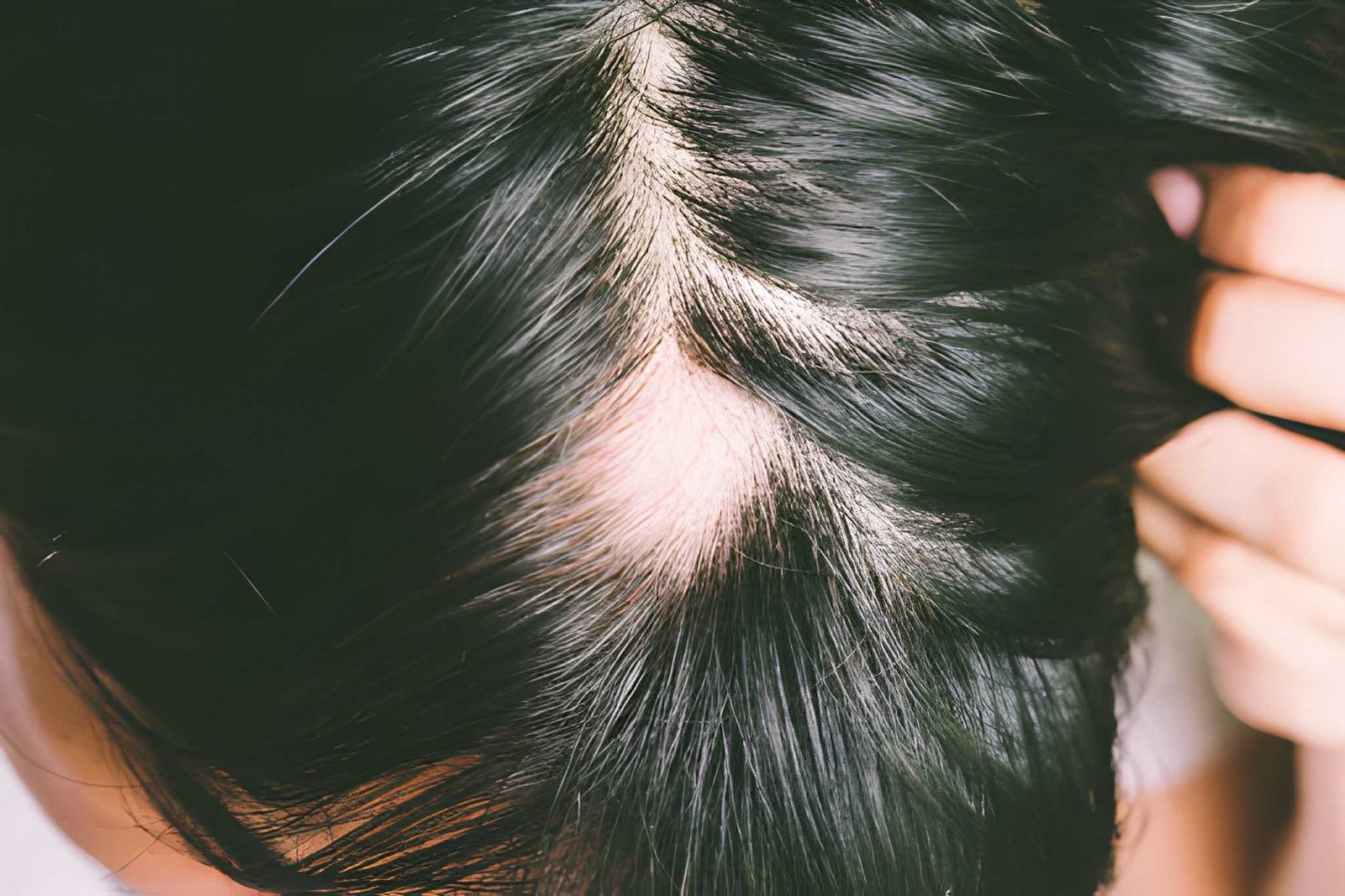
Sudden bald patches, a widening area of visible scalp, or hair falling out in clearly defined spots can have several different causes. At Skinfollix, alopecia treatment in Delhi begins with identifying the type of alopecia involved rather than treating every case as ordinary hair fall. Our AIIMS-trained, board-certified dermatologist works as an experienced alopecia specialist in Delhi, using detailed clinical assessment and trichoscopy to evaluate patterns such as alopecia areata, androgenetic alopecia, telogen effluvium and other causes of patchy or diffuse hair loss. Whether you are looking for an alopecia doctor in Delhi after noticing a new bald patch or need ongoing hair loss treatment for alopecia in Delhi, your treatment plan is based on the underlying cause, extent of hair loss and individual scalp findings.
Tell us about your patchy hair loss, sudden bald spots, widening areas of thinning or ongoing shedding — our alopecia doctor in Delhi will get in touch to schedule your personalised scalp assessment.
Your information stays private and is only used to schedule your consultation.
Why Skinfollix
Why Choose Skinfollix For
Alopecia Treatment
In Delhi?
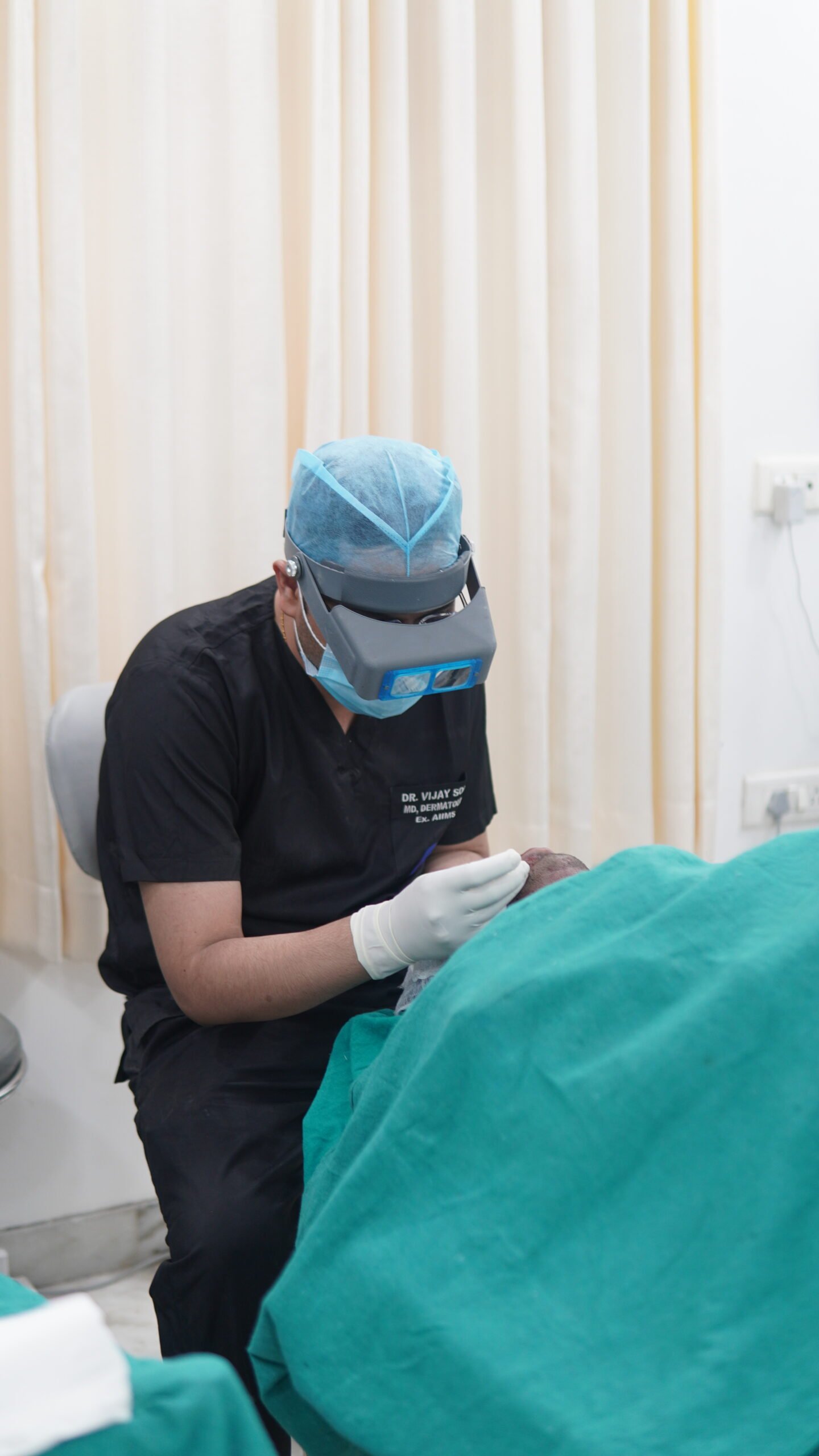
Alopecia is not a single type of hair loss, so treatment should not begin with a generic hair-fall package. At Skinfollix, every alopecia treatment in Delhi starts with identifying the pattern and likely cause of your hair loss. Your scalp assessment is led by an AIIMS-trained, board-certified dermatologist, with treatment planned around your diagnosis, extent of hair loss and individual response rather than a fixed protocol.
Diagnosis-First Alopecia Assessment
Trichoscopy, clinical examination and a detailed hair-loss history help distinguish alopecia areata from other causes of patchy or diffuse hair loss before treatment is recommended.
AIIMS-Trained Alopecia Specialist
Your consultation is led by an AIIMS-trained, board-certified dermatologist with experience evaluating alopecia areata, bald patches and different patterns of hair loss.
Treatment Matched To Your Diagnosis
Depending on the type and severity of alopecia, treatment may involve medical management, intralesional therapy, PRP or low-level laser therapy where clinically appropriate.
Cause & Trigger-Aware Planning
Alopecia can have autoimmune, genetic or other contributing factors. Where indicated, relevant medical history and possible triggers are considered alongside your scalp findings.
Clear Treatment & Cost Discussion
Your diagnosis, recommended treatment approach, expected course, follow-up requirements and applicable costs are explained clearly before your alopecia treatment begins.
Long-Term Hair Loss Management
Alopecia can change over time, so treatment focuses on monitoring your response, managing recurrence where relevant and protecting existing hair density for the long term.
Understanding Alopecia
What Is Alopecia?
Alopecia is a general medical term for hair loss and describes several different conditions rather than one single diagnosis. Alopecia areata is an autoimmune condition that can cause sudden, smooth, round or oval patches of hair loss, while androgenetic alopecia is a genetic form of gradual pattern thinning. Other forms include traction alopecia caused by repeated pulling or tight hairstyles and scarring alopecias that can damage hair follicles permanently. Because different types of alopecia can look similar at first, effective alopecia treatment in Delhi starts with identifying the specific cause and pattern of hair loss. A consultation with an alopecia specialist in Delhi can help establish the diagnosis before treatment is planned.
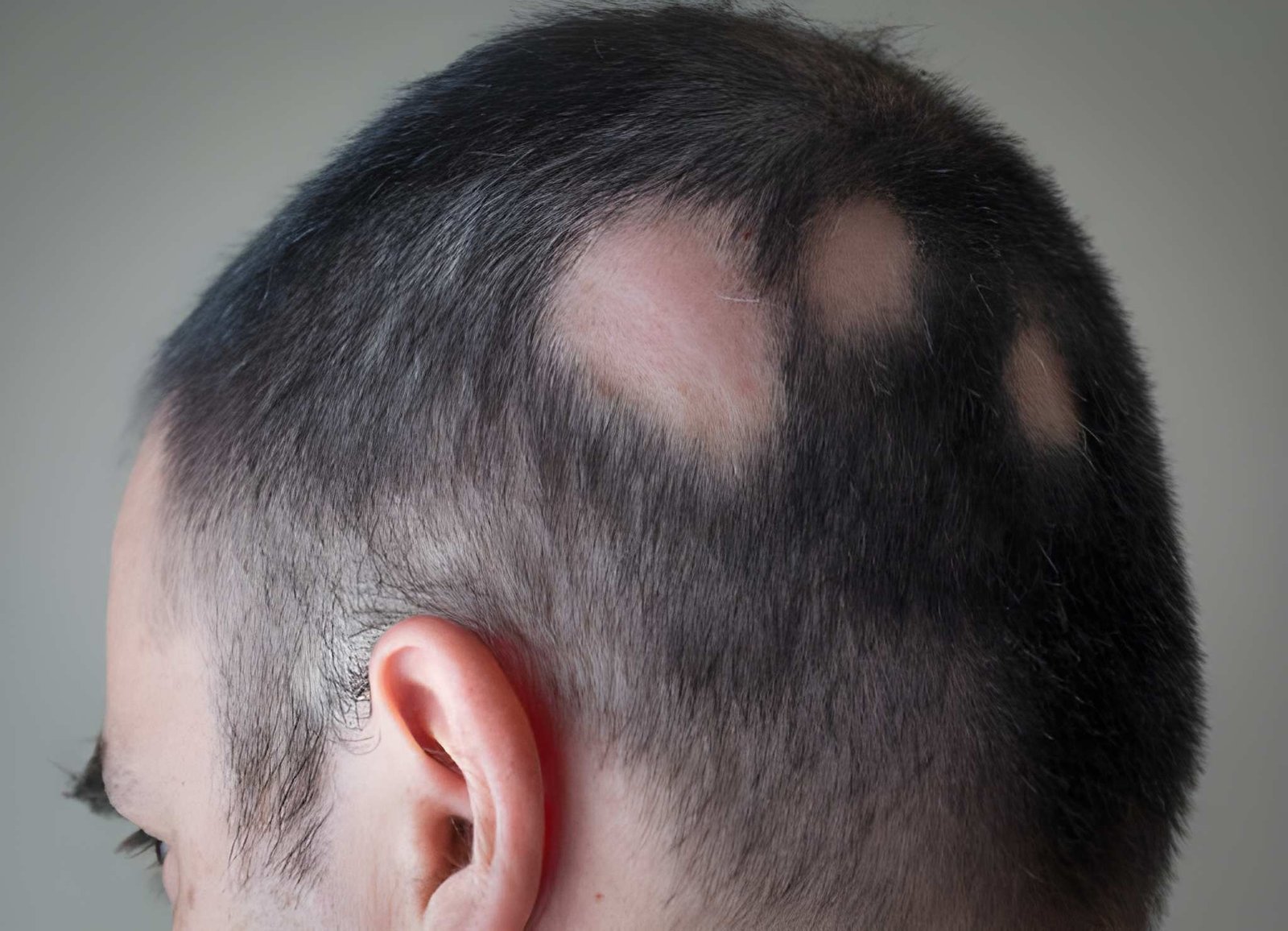
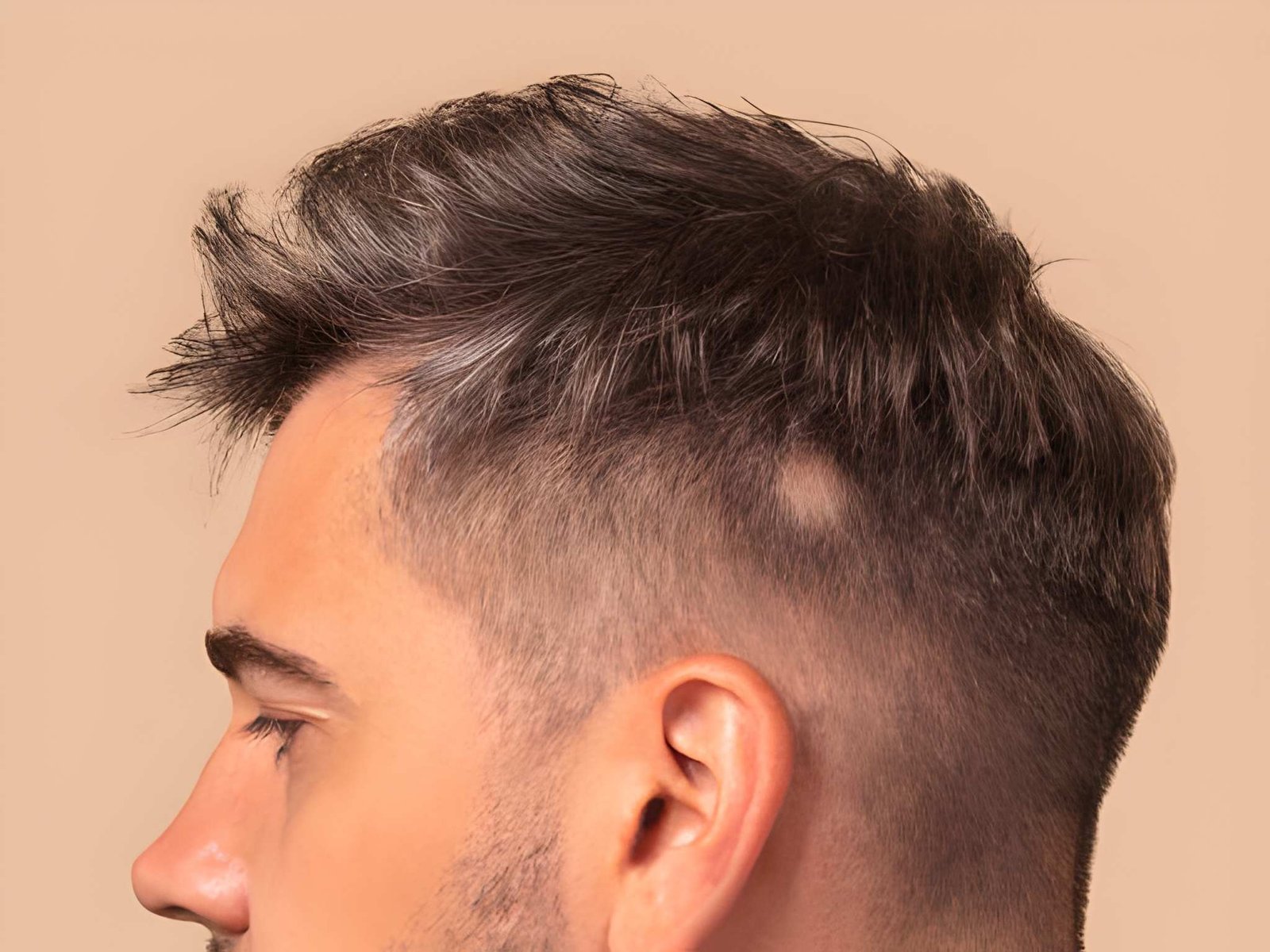
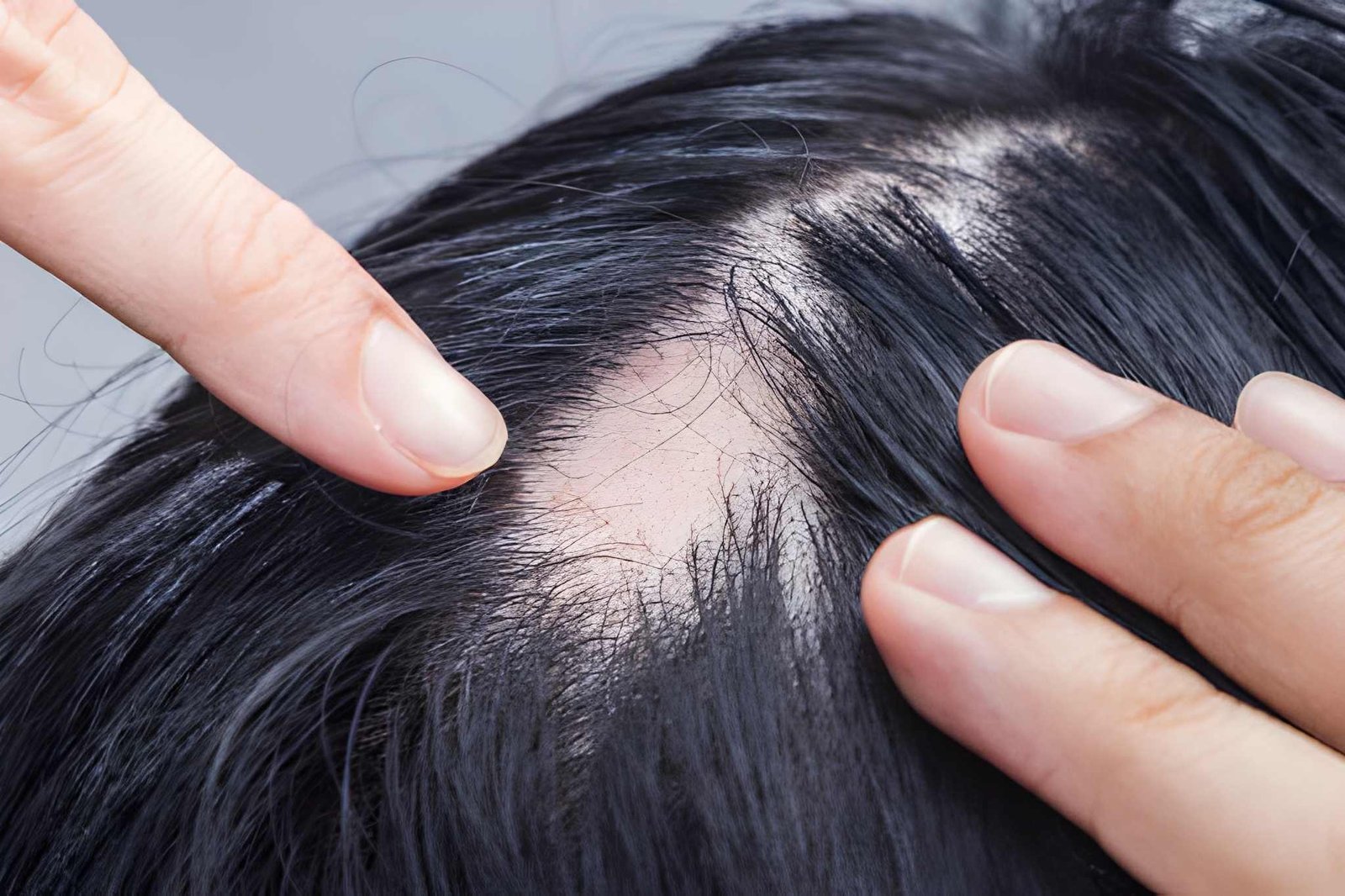
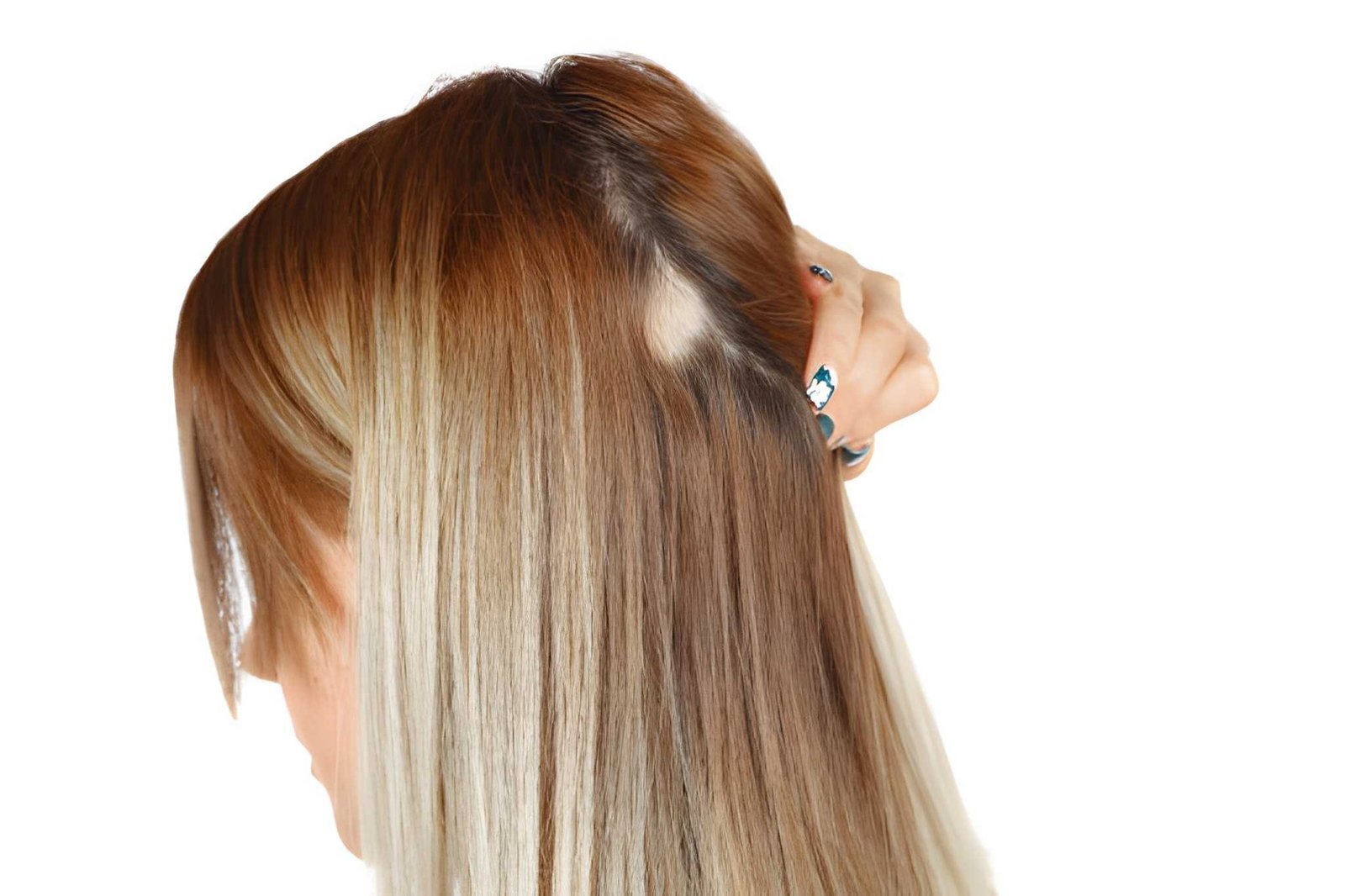
Alopecia areata typically causes one or more smooth, round or oval patches of hair loss, most commonly on the scalp but sometimes affecting the beard, eyebrows or other body hair. It can appear suddenly and may progress differently from person to person. Some patches may regrow spontaneously, while others can recur or become more extensive. Because alopecia areata is an autoimmune form of hair loss rather than typical genetic pattern thinning, its diagnosis and treatment require a different approach.
The exact trigger for alopecia areata is not fully understood, but the condition involves the immune system mistakenly targeting hair follicles. Genetic susceptibility may play a role, and some people may have a personal or family history of other autoimmune conditions. Stress, illness or hormonal changes are sometimes reported around the time hair-loss patches appear, although a specific trigger cannot always be identified. A detailed clinical history helps the dermatologist assess the overall picture.
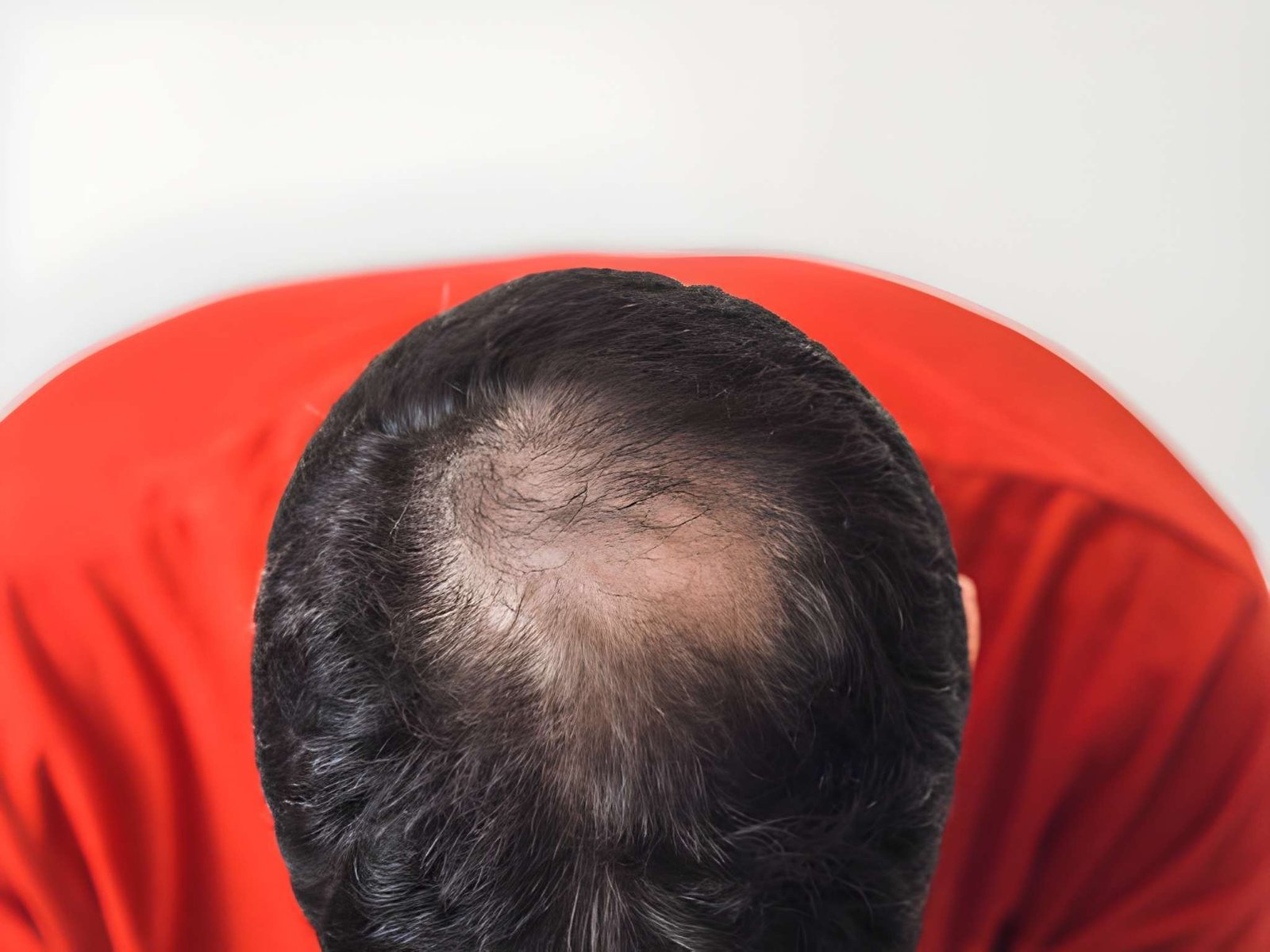
Patchy or sudden hair loss can have several different causes, including alopecia areata, traction-related hair loss, scalp infections and other forms of alopecia. Using generic oils, serums or supplements without establishing the cause may not address the underlying condition and can delay appropriate treatment. An alopecia doctor in Delhi can assess the location, shape and characteristics of the affected areas and determine whether further evaluation is needed before recommending a targeted treatment plan.
Diagnosis First
Before Any Treatment
How We Diagnose Alopecia
Alopecia Diagnosis At Skinfollix
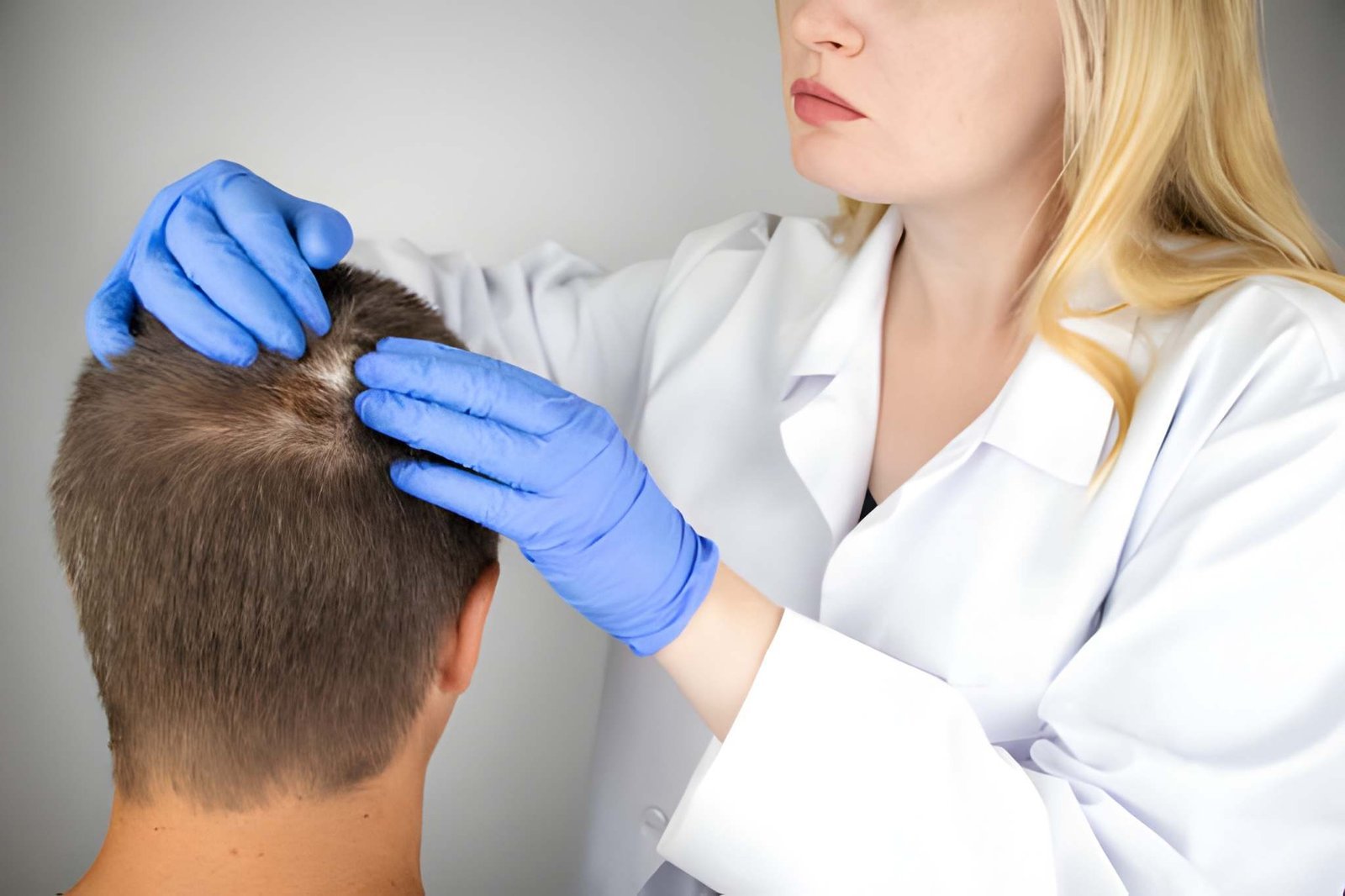
Every alopecia treatment in Delhi at Skinfollix begins with a proper diagnosis, not guesswork. Our dermatologist for alopecia starts with dermoscopy, also called trichoscopy, to examine the scalp closely and identify the pattern and characteristics of the hair loss. Signs such as exclamation-mark hairs, yellow dots and other changes may help support a diagnosis of alopecia areata, while the examination also helps distinguish it from fungal infection, traction alopecia and scarring alopecia. A detailed medical, family and stress history is reviewed alongside the scalp examination, including relevant factors such as thyroid disease and other autoimmune conditions.
Where indicated, blood tests such as a thyroid profile, iron studies or vitamin D may be considered to identify contributing factors. If the diagnosis remains uncertain after clinical examination and trichoscopy, a scalp biopsy may be recommended in selected cases. Once the type and extent of alopecia have been established, our AIIMS-trained, board-certified alopecia specialist in Delhi explains the appropriate treatment options, expected course and monitoring needs so your alopecia treatment plan is based on the condition you actually have.
Alopecia treatment in Delhi works best when it is matched to the type and cause of hair loss rather than treating the visible bald patch alone. Alopecia can have autoimmune, genetic, hormonal or mechanical causes, while some scalp and nutritional conditions can produce similar patterns. Our alopecia doctor in Delhi assesses these possibilities together before recommending treatment.
Autoimmune Activity
In alopecia areata, the immune system mistakenly targets hair follicles and can cause sudden round or oval patches of hair loss. The follicles usually remain intact, which means regrowth may be possible with appropriate treatment.
Genetics & Family History
A family history of alopecia areata or autoimmune disease may increase susceptibility to patchy hair loss. Genetics can also play a role in other forms of alopecia, making your family history an important part of diagnosis.
Thyroid & Autoimmune Conditions
Alopecia areata can occur alongside conditions such as thyroid disorders, vitiligo and other autoimmune problems. Where your history or symptoms suggest a connection, further evaluation may be recommended.
Stress, Illness & Physical Triggers
Major physical or emotional stress and recent illness can be associated with changes in the hair-growth cycle. Stress does not necessarily cause alopecia areata, so the underlying pattern still needs to be assessed properly.
Traction & Mechanical Damage
Repeated pulling from tight braids, ponytails, extensions or similar hairstyles can cause traction alopecia. Unlike autoimmune alopecia, this form is linked to ongoing mechanical stress on the follicles.
Nutritional & Scalp Factors
Iron deficiency, low vitamin D and certain scalp infections can contribute to hair shedding or sometimes resemble other forms of hair loss. These factors may be assessed when indicated rather than assumed to be the cause.
Diagnosis First
Types Of Alopecia We Treat
Not every bald patch or thinning area represents the same type of alopecia. Our alopecia specialist in Delhi first identifies the pattern, extent and likely cause before recommending an alopecia treatment in Delhi plan, so treatment is based on your diagnosis rather than trial and error.
Autoimmune
Patchy Alopecia Areata
One or more smooth, round or oval bald patches that can appear suddenly, most often on the scalp. The skin within the patch may otherwise look normal.
Extensive
Alopecia Totalis
An extensive form of alopecia areata involving complete or near-complete loss of scalp hair, often requiring closer assessment and longer-term treatment planning.
Extensive
Alopecia Universalis
A rare and extensive form of alopecia areata involving hair loss across the scalp and body, which may include eyebrows and eyelashes and needs specialised management.
Alopecia Areata
Ophiasis Pattern
A band-like pattern of hair loss along the sides and lower back of the scalp. This distribution can behave differently from typical patchy alopecia areata.
Mechanical
Traction Alopecia
Gradual thinning around the hairline or parting caused by repeated tension from tight hairstyles, extensions or headwear rather than an autoimmune process.
Genetic
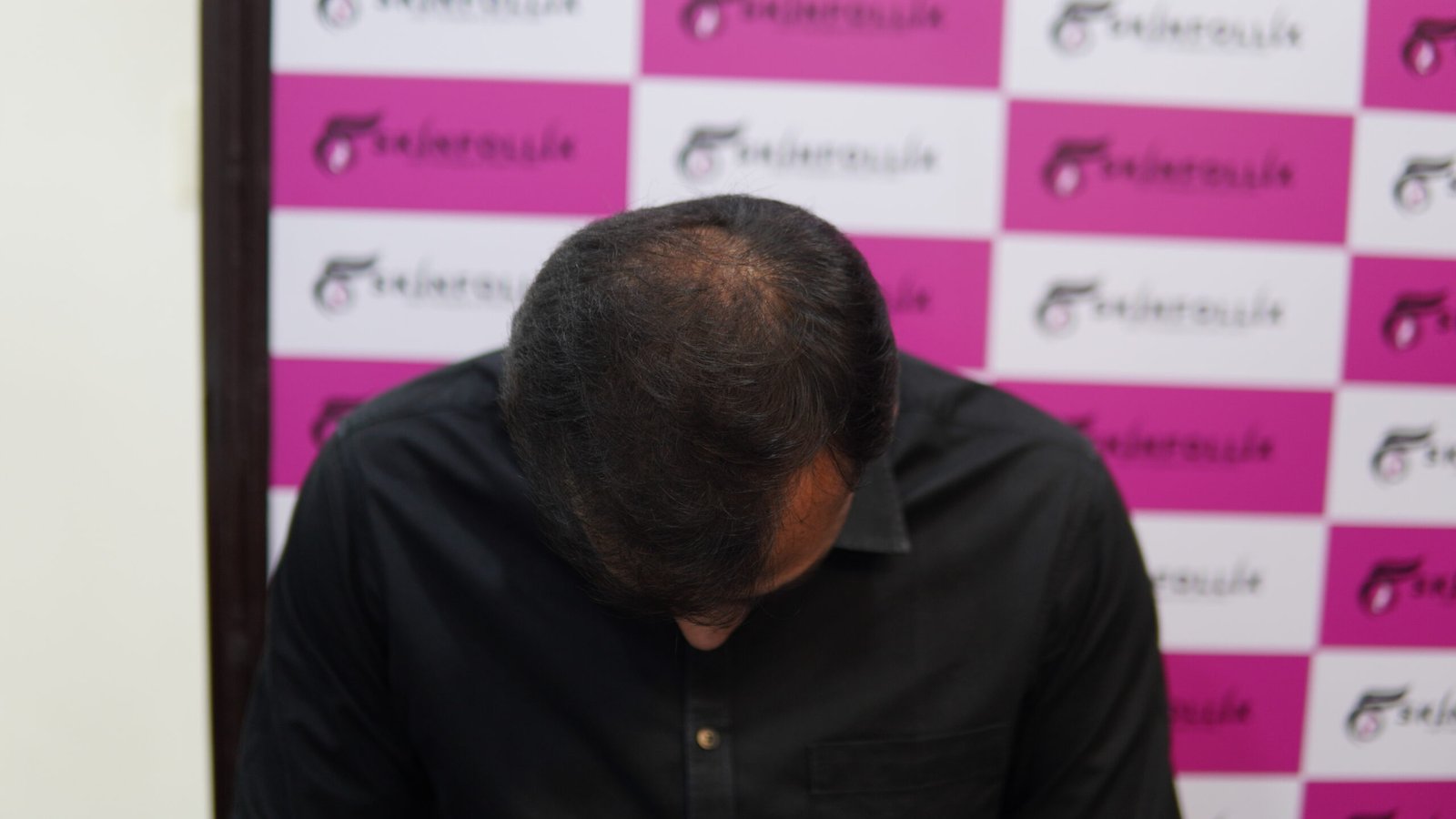
Androgenetic (Pattern) Alopecia
Genetic, hormone-influenced thinning that develops gradually and diffusely rather than as distinct bald patches, requiring a different treatment approach from alopecia areata.
Don't Wait It Out
Signs That You Should Visit A Dermatologist
A single small patch can sometimes resolve on its own, but certain signs mean it's worth seeing an alopecia specialist in Delhi rather than waiting. Early evaluation by a dermatologist for alopecia can help confirm the diagnosis and identify the right treatment sooner, particularly when patches are spreading or new areas of hair loss are appearing.
A Sudden, Well-Defined Bald Patch
One or more smooth, round or oval patches that appear over days rather than gradually can be an early sign of alopecia areata and should be assessed by a dermatologist.
Patches That Are Growing Or Multiplying
An existing bald patch becoming larger or new patches appearing elsewhere on the scalp, beard or eyebrows is a reason to seek an alopecia doctor in Delhi for evaluation.
Hair Loss Along The Hairline Or Parting
Gradual thinning where hair is repeatedly pulled tight or tied up may point to traction alopecia rather than autoimmune hair loss and needs a different treatment approach.
Family History Or Other Autoimmune Signs
New patchy hair loss alongside a family history of alopecia areata, thyroid disease or other autoimmune conditions is worth having properly assessed rather than assumed to be ordinary hair fall.
Our Treatments
Alopecia Treatment In Delhi Available At Skinfollix
Once your diagnosis is confirmed, our alopecia treatment clinic in Delhi recommends treatment according to the type, extent and pattern of your hair loss. Depending on your diagnosis, your personalised plan may include medical treatment, scalp-based therapies or supportive options — nothing is prescribed before your scalp has been properly assessed.
Medical Treatment
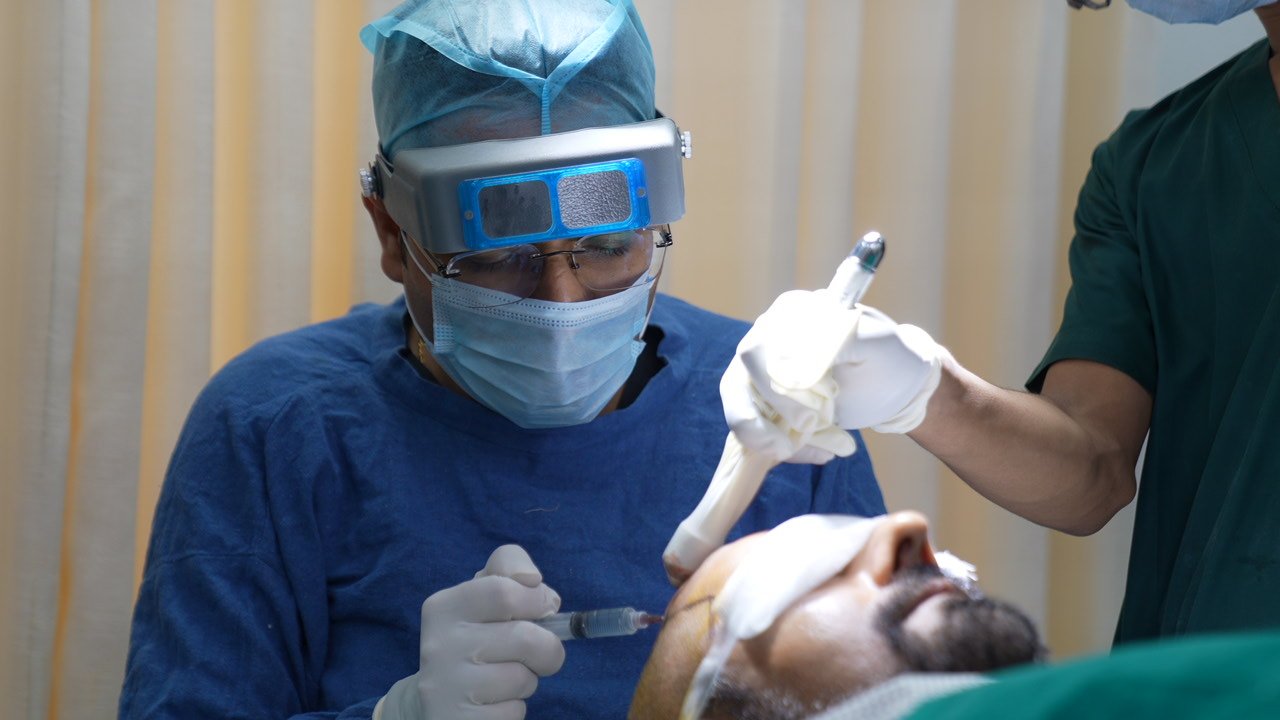
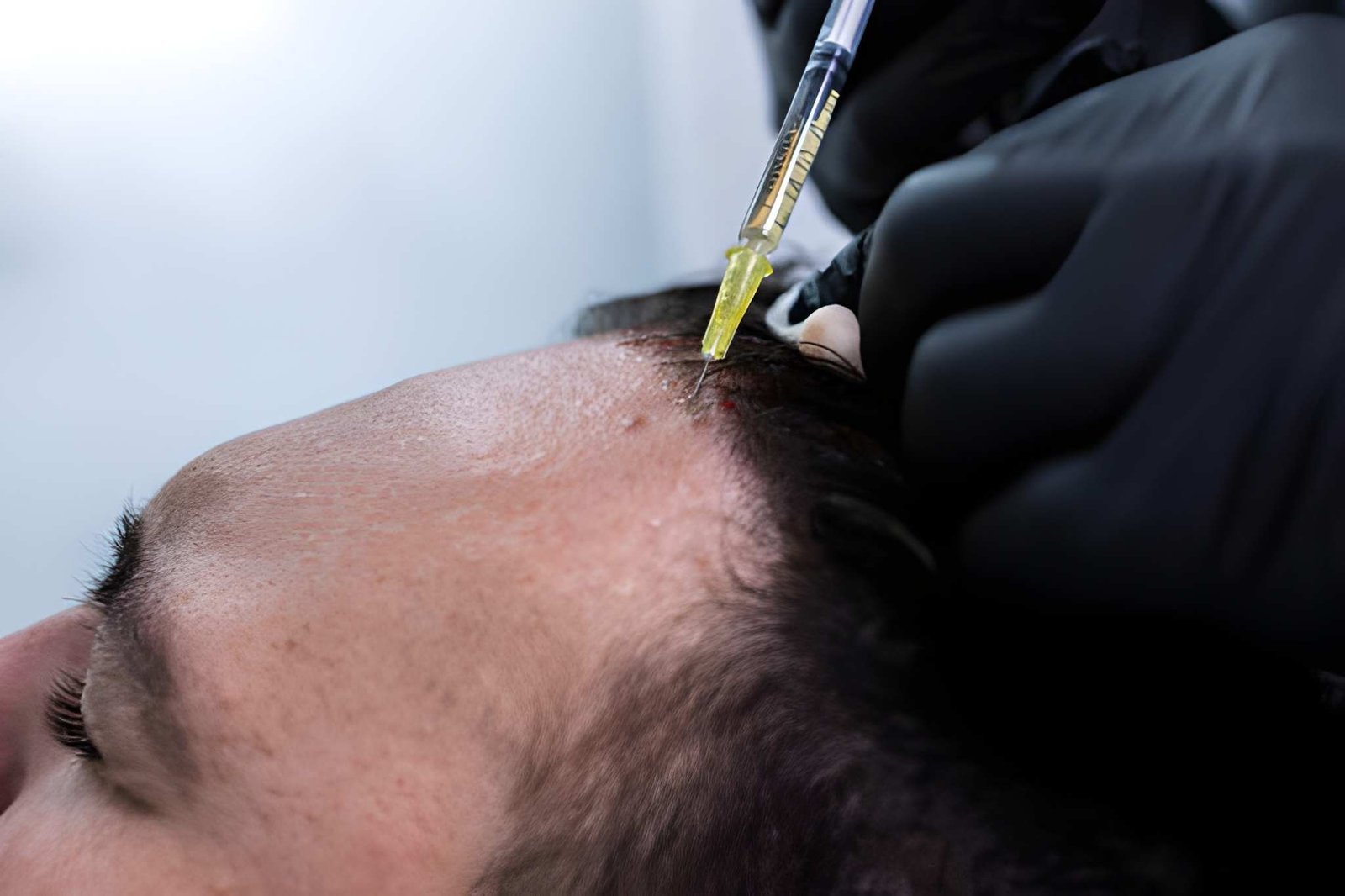
Intralesional Corticosteroid Injections
Small, targeted corticosteroid injections may be recommended directly into localised alopecia areata patches to help reduce the immune activity affecting the hair follicles. Your dermatologist determines whether this approach is appropriate based on the size, number and location of the patches.
Targeted directly at affected patches
Sessions repeated only as advised
Topical Therapy
Topical Treatment
Depending on the diagnosis, topical corticosteroids, minoxidil or other prescribed topical medicines may form part of an alopecia treatment plan. They can be used for selected cases and may be combined with in-clinic treatment when appropriate.
Applied at home as prescribed
May complement in-clinic treatment
Medical Therapy
Oral Medication
More extensive alopecia areata, including cases involving larger areas of the scalp or conditions such as alopecia totalis or universalis, may require prescription oral medication under close dermatologist supervision. Treatment is selected according to suitability and medical history.
Considered for selected extensive cases
Requires ongoing medical monitoring
Regenerative
PRP Hair Treatment
Platelet-rich plasma prepared from your own blood may be used as part of a personalised hair loss treatment plan. In selected patients, PRP can be considered alongside appropriate medical treatment to support the scalp environment and address associated hair thinning.
Uses platelets from your own blood
Typically involves minimal downtime
Non-Invasive
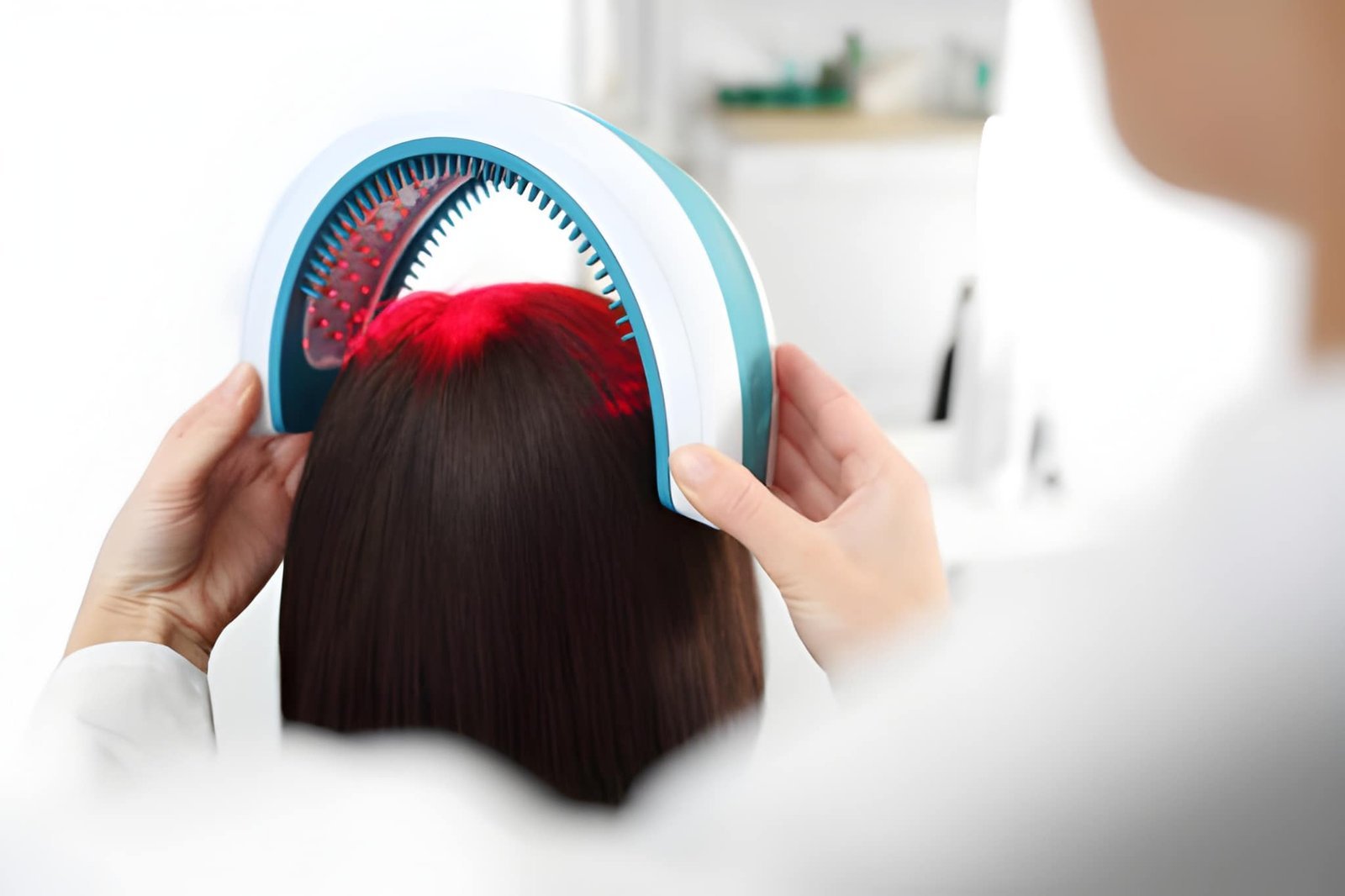
Low-Level Laser Therapy
Low-Level Laser Therapy uses controlled light energy directed at the scalp and may be considered as a non-invasive supportive option for selected hair loss patterns. Your dermatologist will advise whether it fits your diagnosis and wider treatment plan.
Non-invasive and needle-free
Can complement selected treatment plans
Supportive Care
Camouflage & Supportive Care
Alopecia can have a visible impact while treatment is taking effect. Where appropriate, we discuss temporary camouflage options and supportive scalp care alongside your medical plan, helping you manage the appearance of hair loss without presenting camouflage as a substitute for treatment.
Supports appearance during the regrowth period
Discussed as part of the overall care plan
How It Works
Our Alopecia Treatment Process
Every alopecia treatment in Delhi at Skinfollix follows a structured, doctor-led process — beginning with identifying the cause and type of hair loss before moving into treatment. Because alopecia areata can change or recur over time, your plan also includes appropriate follow-up and monitoring rather than stopping at the first treatment session.
Your dermatologist reviews when the hair loss started, how it has progressed, your family and medical history, and any relevant autoimmune or health factors. Trichoscopy helps examine the scalp and distinguish alopecia areata from traction alopecia, pattern hair loss, fungal infection or other causes of patchy hair loss.
01
Personalised Treatment Plan
Once the type and extent of alopecia are established, your dermatologist recommends a treatment approach based on your individual case. Depending on the diagnosis, this may involve injections, topical or oral medication, PRP or other supportive therapies, with realistic expectations discussed before treatment begins.
02
In-Clinic & At-Home Treatment
Your recommended treatment is carried out under appropriate clinical supervision, while any prescribed topical or oral medicines are used at home as directed. In selected cases, supportive options such as PRP or low-level laser therapy may be incorporated into the wider treatment plan.
03
Monitoring & Long-Term Follow-Up
Alopecia, particularly alopecia areata, can behave unpredictably. Follow-up appointments allow your dermatologist to assess regrowth, monitor for new patches or ongoing activity, review treatment response and adjust the plan when necessary.
04
Real Results
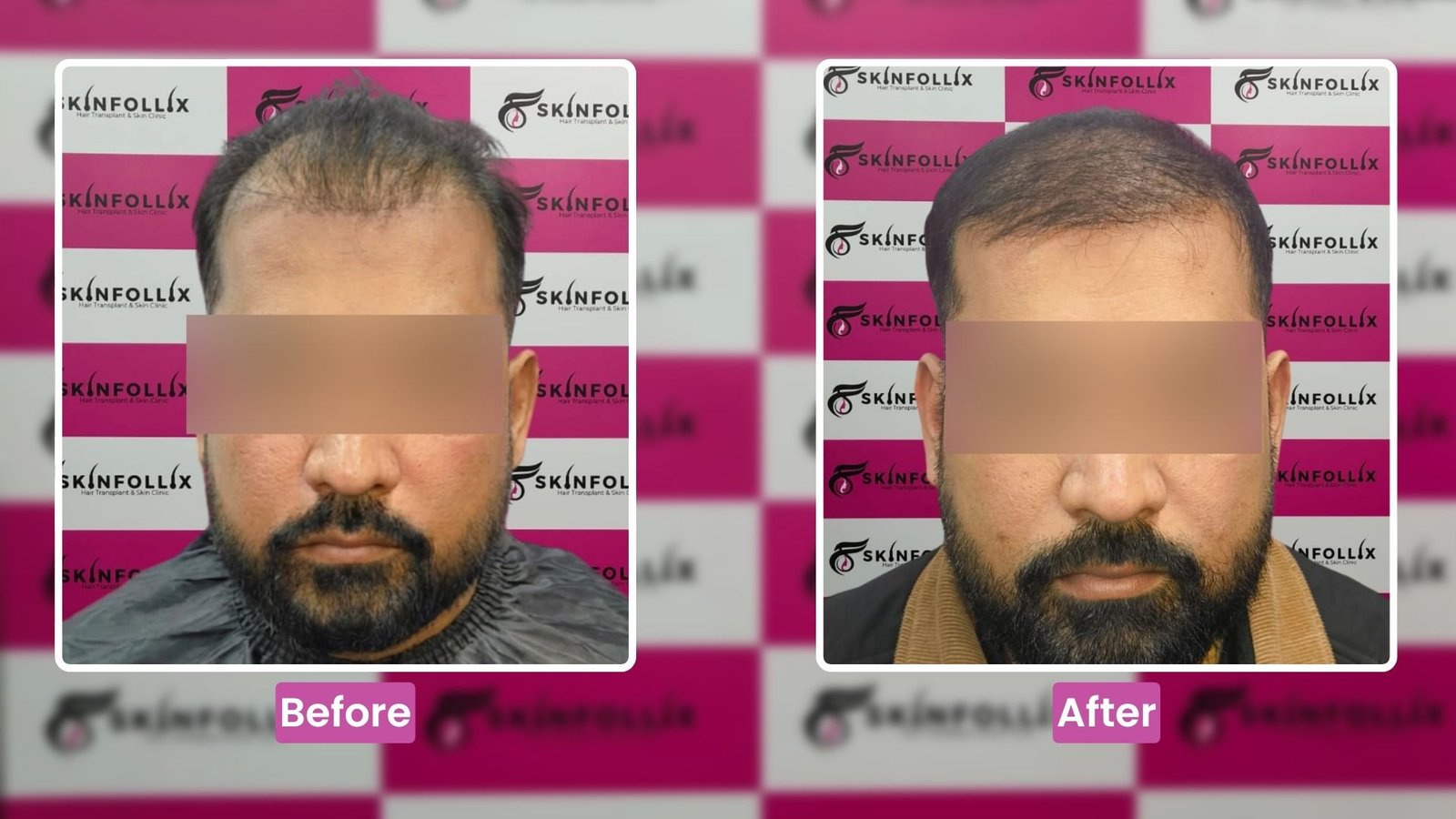
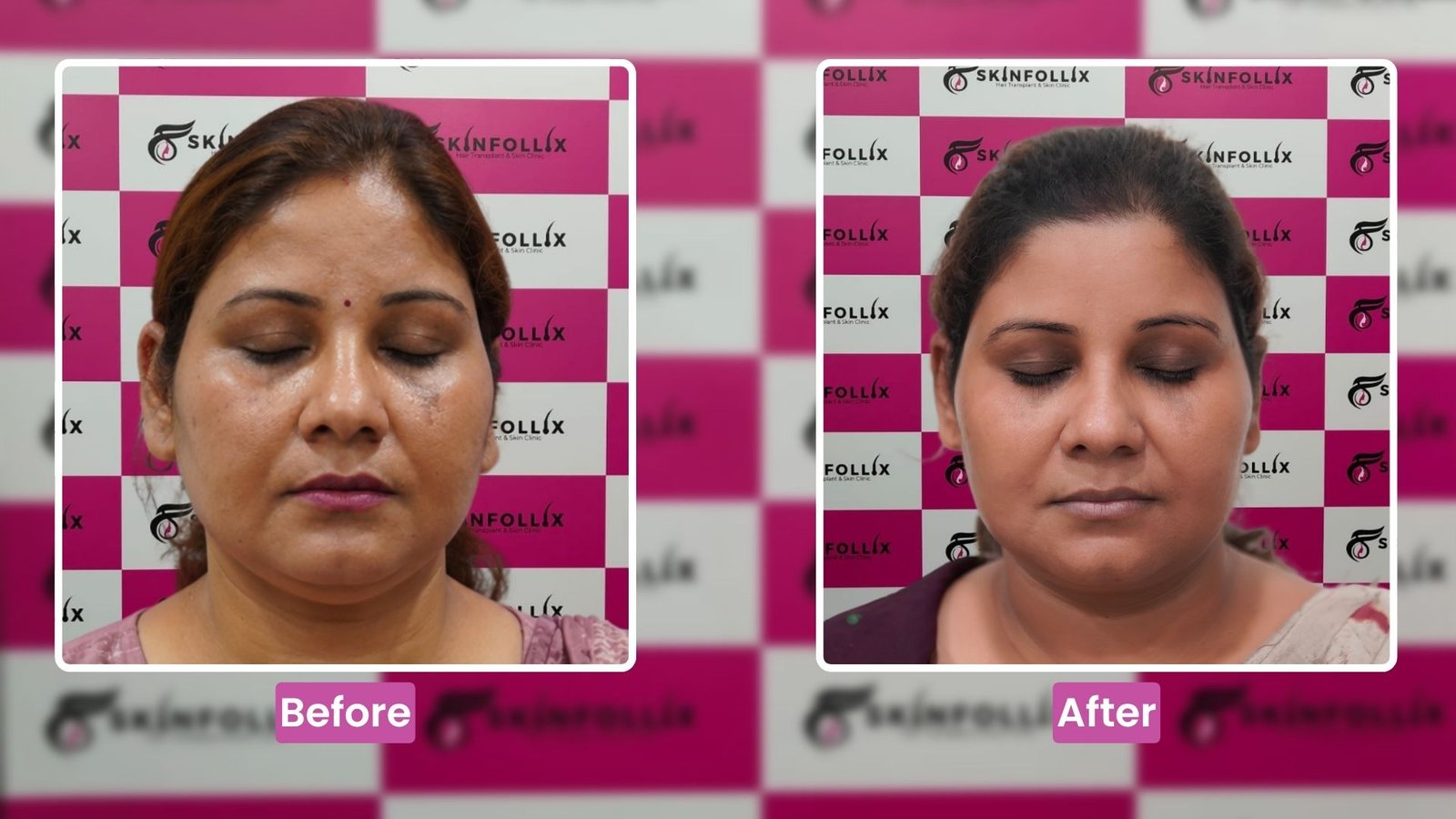
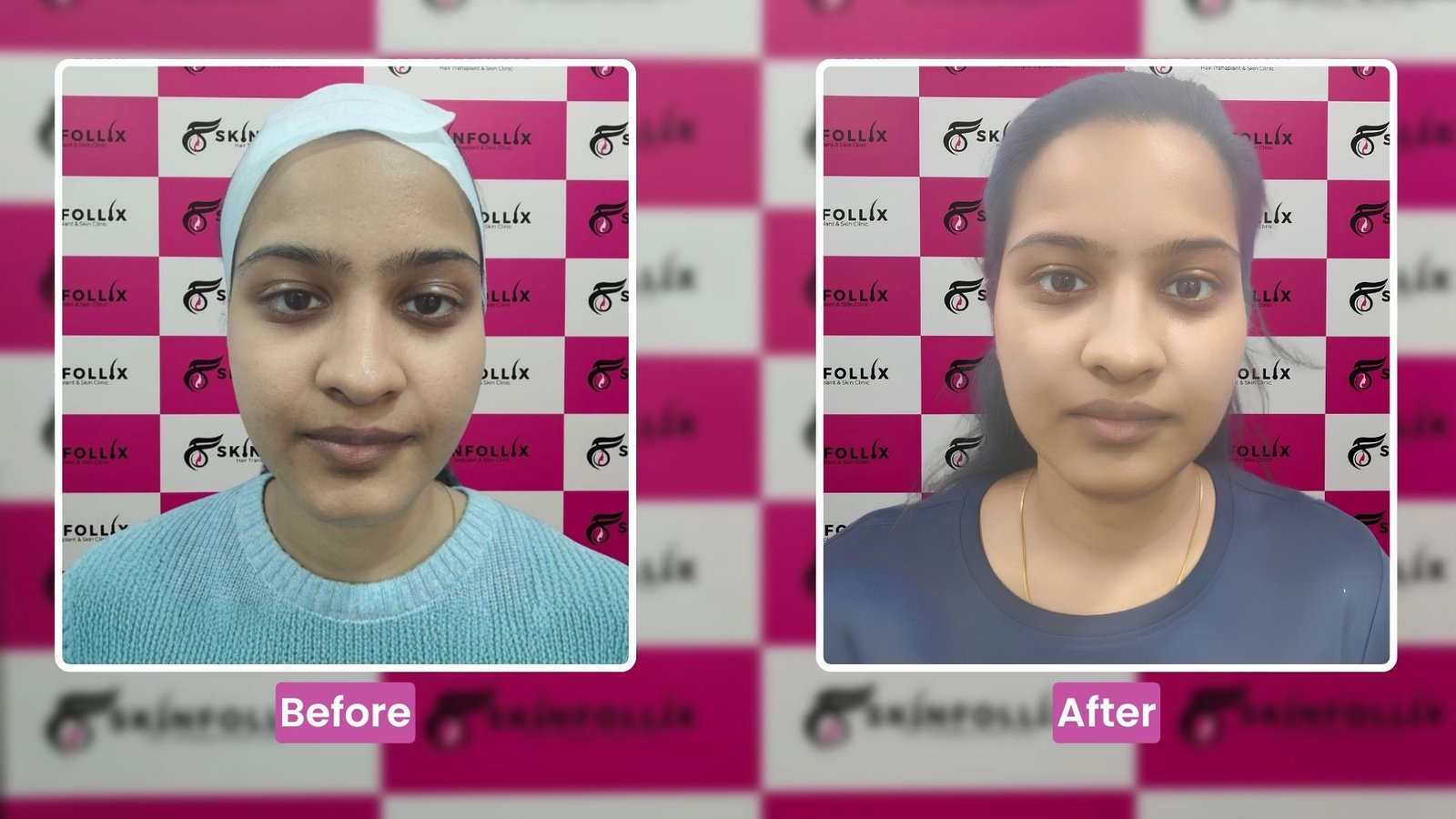
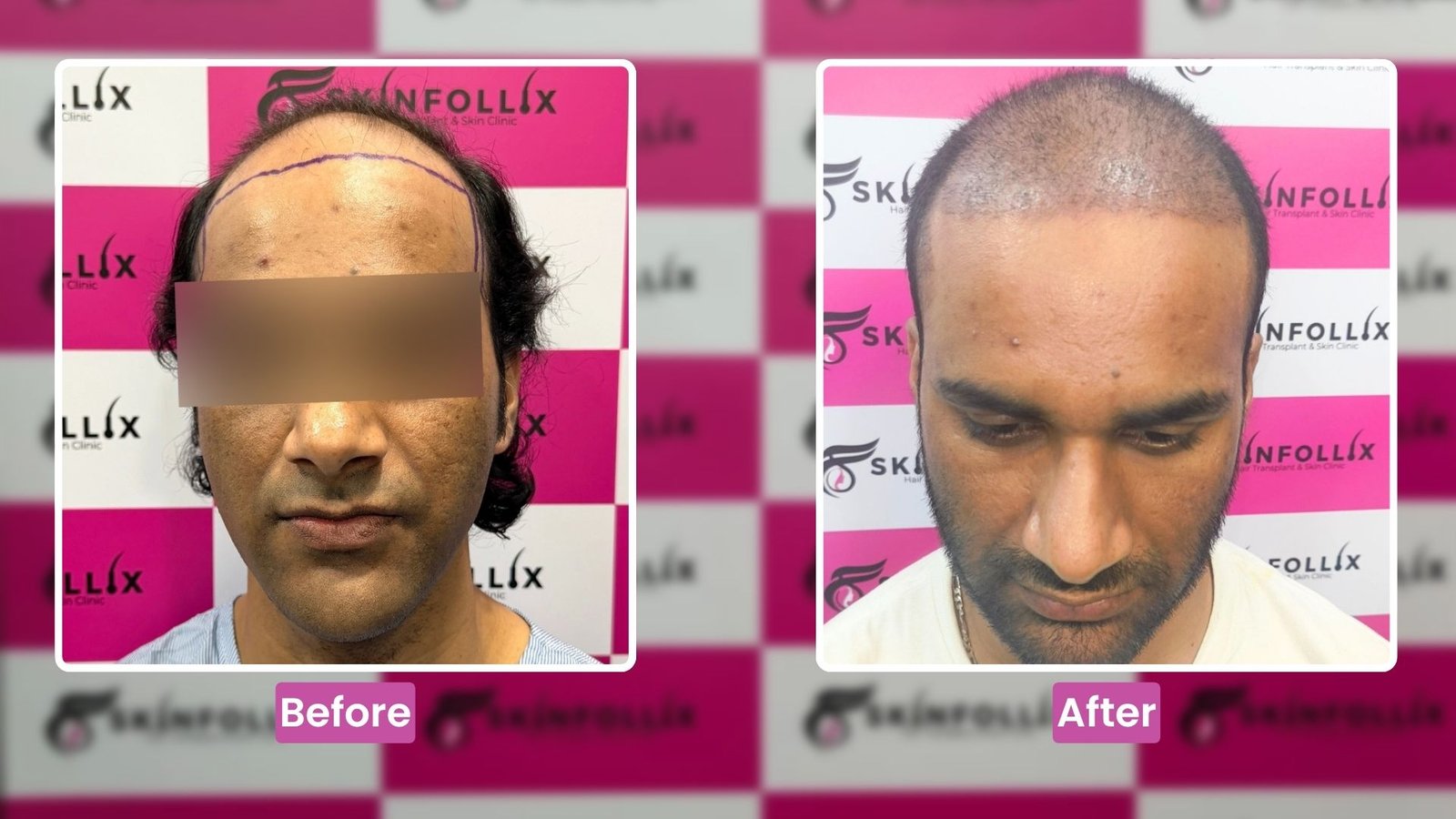
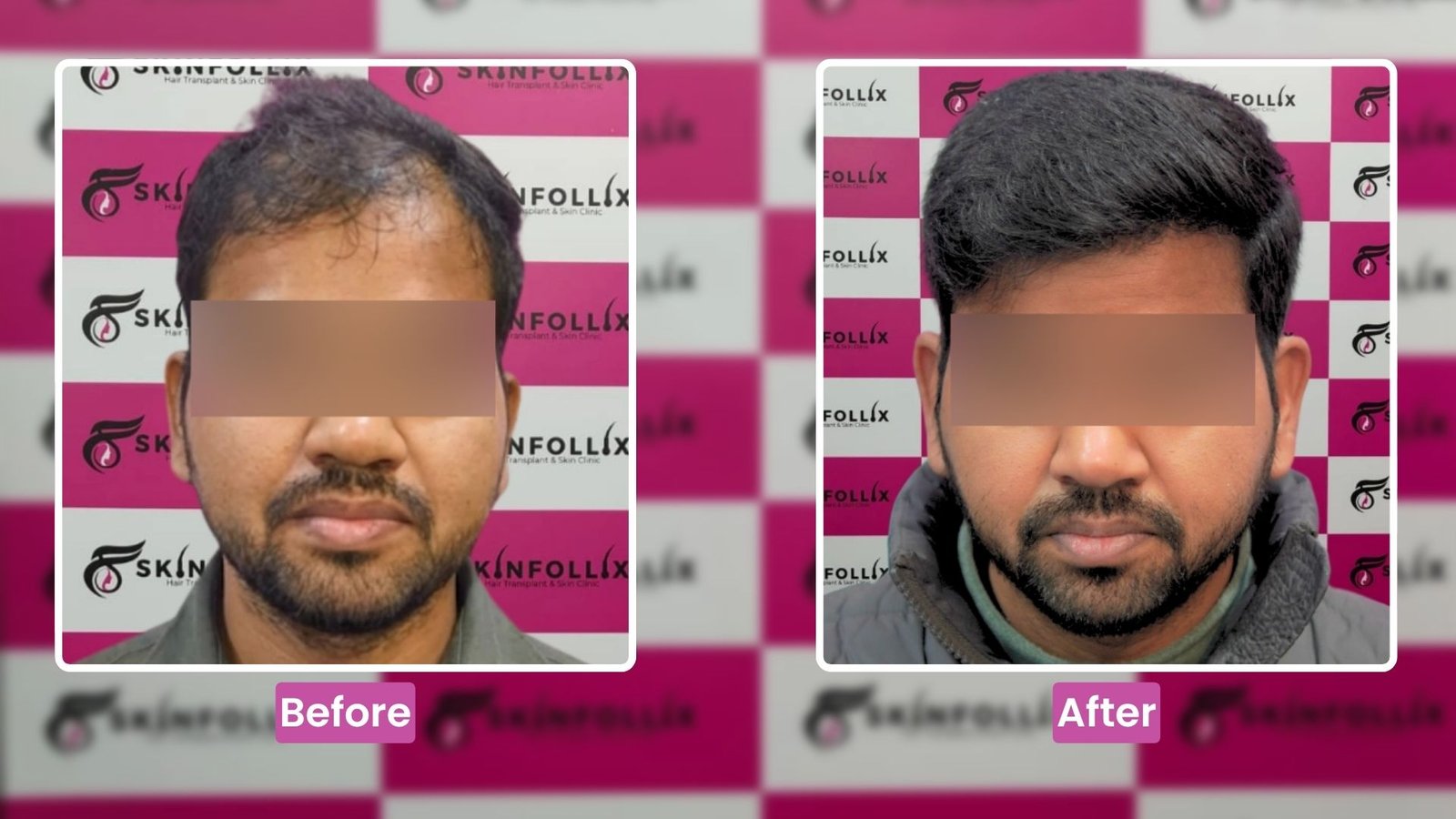
Alopecia Regrowth Before And After Results
Alopecia treatment in Delhi at Skinfollix is built around realistic, monitored progress rather than guaranteed outcomes. These before-and-after results represent patients treated for alopecia areata and other forms of patchy hair loss, with their response assessed from diagnosis through follow-up. Individual results vary depending on the type and extent of alopecia, treatment selected and how the condition responds over time.
*Results shown are actual patient outcomes. Alopecia areata can recur or behave unpredictably; individual results may vary based on the type and extent of alopecia, treatment selected and response to treatment.
Aftercare Timeline
Recovery Time And Aftercare
Alopecia areata does not follow a single fixed timeline, so aftercare is about consistent monitoring rather than a countdown to a guaranteed result. Here's what you can generally expect at each stage after starting alopecia treatment in Delhi at Skinfollix.
What To Expect
Mild tenderness, redness, or slight indentation at injection sites.
Treated patches may look largely unchanged during the first few days.
How To Care
Avoid rubbing or scratching treated patches.
Avoid harsh shampoos during the first day unless advised otherwise.
Patient Voices
Real Patient
Success Stories
Genuine feedback from patients who chose
alopecia treatment in Delhi
at Skinfollix — diagnosed and treated by an
AIIMS-trained, board-certified dermatologist using
intralesional therapy, medical management and supportive
treatments tailored to alopecia areata and other patchy
hair loss conditions.
4.9
Google Rating · 500+ Reviews
Swipe to read more reviews
Alopecia Areata
I noticed a coin-sized bald patch behind my ear and panicked. The dermatologist explained exactly what was happening and started injections right away. It's been reassuring to actually understand the condition instead of just Googling it.
Aditya Verma
Alopecia Areata Treatment
Intralesional Injections
The injections sound scarier than they are. My patch has filled in noticeably over a few sessions, and the follow-ups have kept me from worrying every time I see a stray hair.
Kavita Rawat
Intralesional Steroid Treatment
Multiple Patches
I had a few patches show up around the same time, which was stressful. Turns out there was a thyroid connection nobody had checked before. Treating both together has made a real difference.
Rohan Mehta
Alopecia Areata & Thyroid Management
Traction Alopecia
Years of tight buns were quietly causing thinning along my hairline. I didn't even know traction alopecia was a real term until my consultation. Simple changes plus treatment have helped it recover.
Simran Kaur
Traction Alopecia Treatment
PRP Support
Alongside my regular treatment, PRP sessions were added to support regrowth. The clinic was upfront that results take time with alopecia, which I appreciated more than empty promises.
Farhan Ali
PRP For Alopecia
Long-Term Monitoring
What I liked most was that they didn't just treat the patch and send me off — regular follow-ups have caught early signs of a new patch twice, and we dealt with it fast both times.
The cost of
alopecia treatment in Delhi
depends on the type of alopecia diagnosed, how extensive
the hair loss is, and the treatment recommended. The ranges
below are indicative estimates only — your
alopecia doctor in Delhi
will confirm exact costs after an in-person scalp diagnosis.
Targeted Treatment
Intralesional Corticosteroid Injections
Small, targeted steroid injections directly into
affected patches are commonly used for localised
alopecia areata to reduce immune activity around
the affected hair follicles.
Estimated Range
₹1,500 – ₹4,000
/ session
*Exact cost confirmed only after in-person diagnosis.
Best suited to localised, well-defined patches
Usually needs a course of repeated sessions
Response monitored and adjusted over follow-ups
Most Commonly Chosen
Medical Management (Topical & Oral)
Prescribed topical or oral medication may be used
for milder or more widespread alopecia areata,
depending on the type and extent of hair loss
confirmed during diagnosis.
Estimated Range
₹2,000 – ₹6,000
/ consultation + medication
*Exact cost confirmed only after in-person diagnosis.
Suited to milder or more widespread alopecia areata
Often combined with injections or PRP
Requires consistent use as prescribed
Supportive Therapy
PRP / Laser Support Therapy
Supportive therapies such as PRP or low-level laser
therapy may be considered alongside primary treatment
for selected cases, based on your dermatologist's
assessment.
Estimated Range
₹4,000 – ₹12,000
/ session
*Exact cost confirmed only after in-person diagnosis.
Used to support the scalp environment alongside primary treatment
Minimal downtime
Typically needs multiple sessions for meaningful assessment
Note:
The figures above are broad, indicative estimates for
general reference only — not a quote, invoice or approved
price list. Your final
alopecia areata treatment cost in Delhi
is determined after an in-person scalp diagnosis with our
dermatologist, based on the type and extent of alopecia
and the treatment plan required.
AIIMS-Trained
MD Dermatology · New Delhi
Your Alopecia Specialist
Meet Your Dermatologist
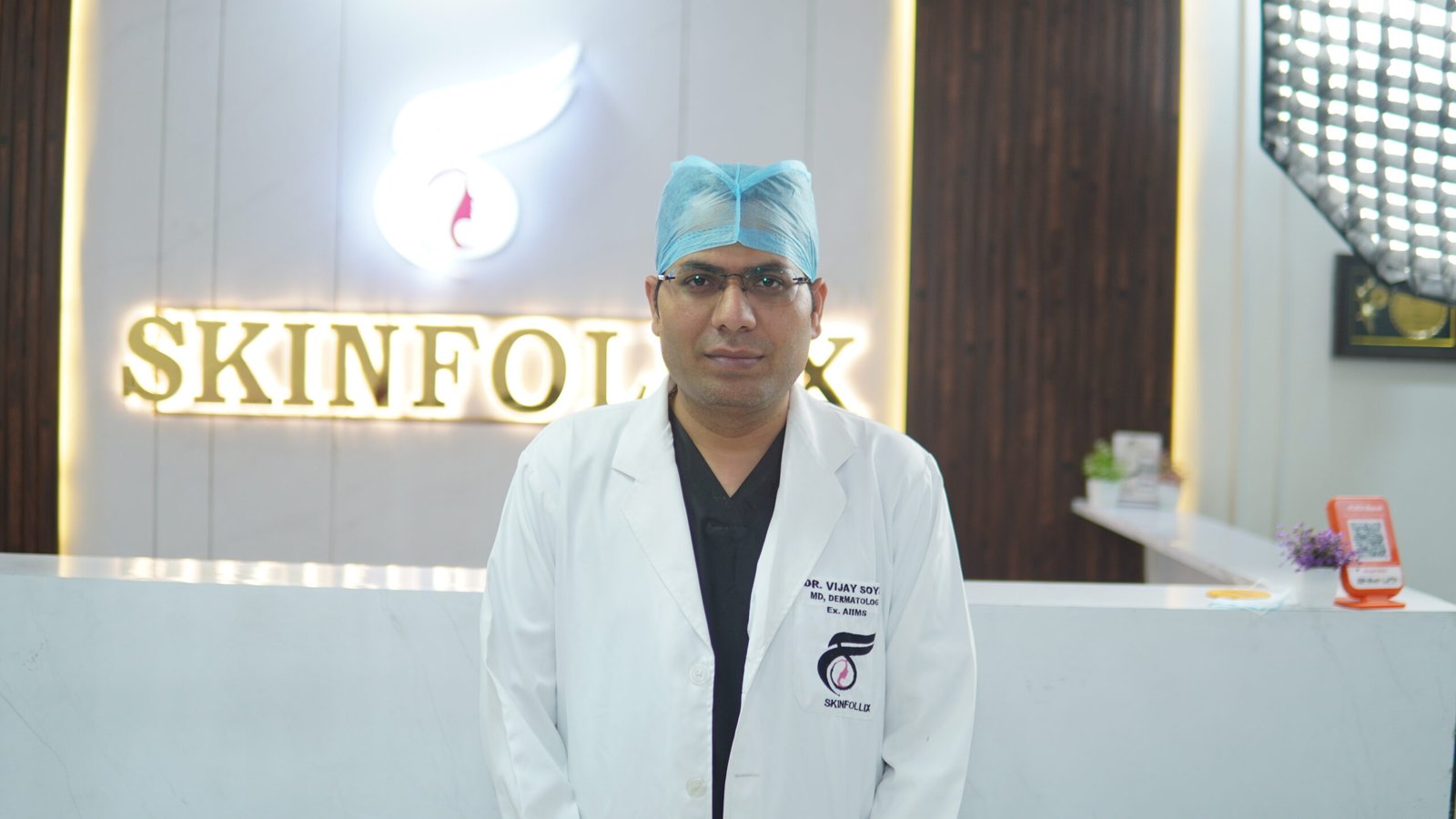
Dr. Vijay Soyal, MD · AIIMS-Trained, Board-Certified Dermatologist
MD Dermatology
AIIMS, New Delhi
15+ Years
Treating Alopecia & Patchy Hair Loss
3,000+ Patients Treated
For Hair Loss & Scalp Conditions Across Delhi NCR
Every
alopecia treatment in Delhi
at Skinfollix begins with a careful assessment of the
pattern, edges and extent of hair loss, along with your
medical and family history. Dr. Vijay Soyal is an
AIIMS-trained, board-certified
alopecia doctor in Delhi
with over 15 years of clinical experience diagnosing and
managing alopecia areata, traction alopecia and other
forms of patchy hair loss. As an
alopecia specialist in Delhi,
he doesn't rely on a single fixed protocol — depending
on the type, extent and behaviour of your hair loss,
treatment may include intralesional injections, topical
or oral medication, or selected supportive therapies
such as PRP. Because alopecia areata can be unpredictable,
treatment plans are built around realistic timelines and
ongoing monitoring rather than a one-time promise of
regrowth. This diagnosis-first approach is what patients
look for when searching for the
best doctor for alopecia in Delhi
— care based on your specific diagnosis, not a template.
Everything patients ask before booking alopecia treatment in Delhi at our clinic — from diagnosis and cost to injections, medication and aftercare.
Visit Us
Alopecia Treatment In Delhi — Visit Our Clinic
Conveniently located in Paschim Vihar, Delhi NCR — visit Skinfollix for a consultation with our alopecia specialist to discuss diagnosis, injections, or a personalised alopecia treatment plan.