
-
Hair
Hair LossHair Treatments
-
Skin
Acne & ScarsPigmentationSkin ConcernsSkin Diseases & Growths
-
Anti-Ageing
Facial Rejuvenation
-
Laser
Laser Hair RemovalLaser Skin Rejuvenation
- Hair Transplant
- Result Gallery
- About Us
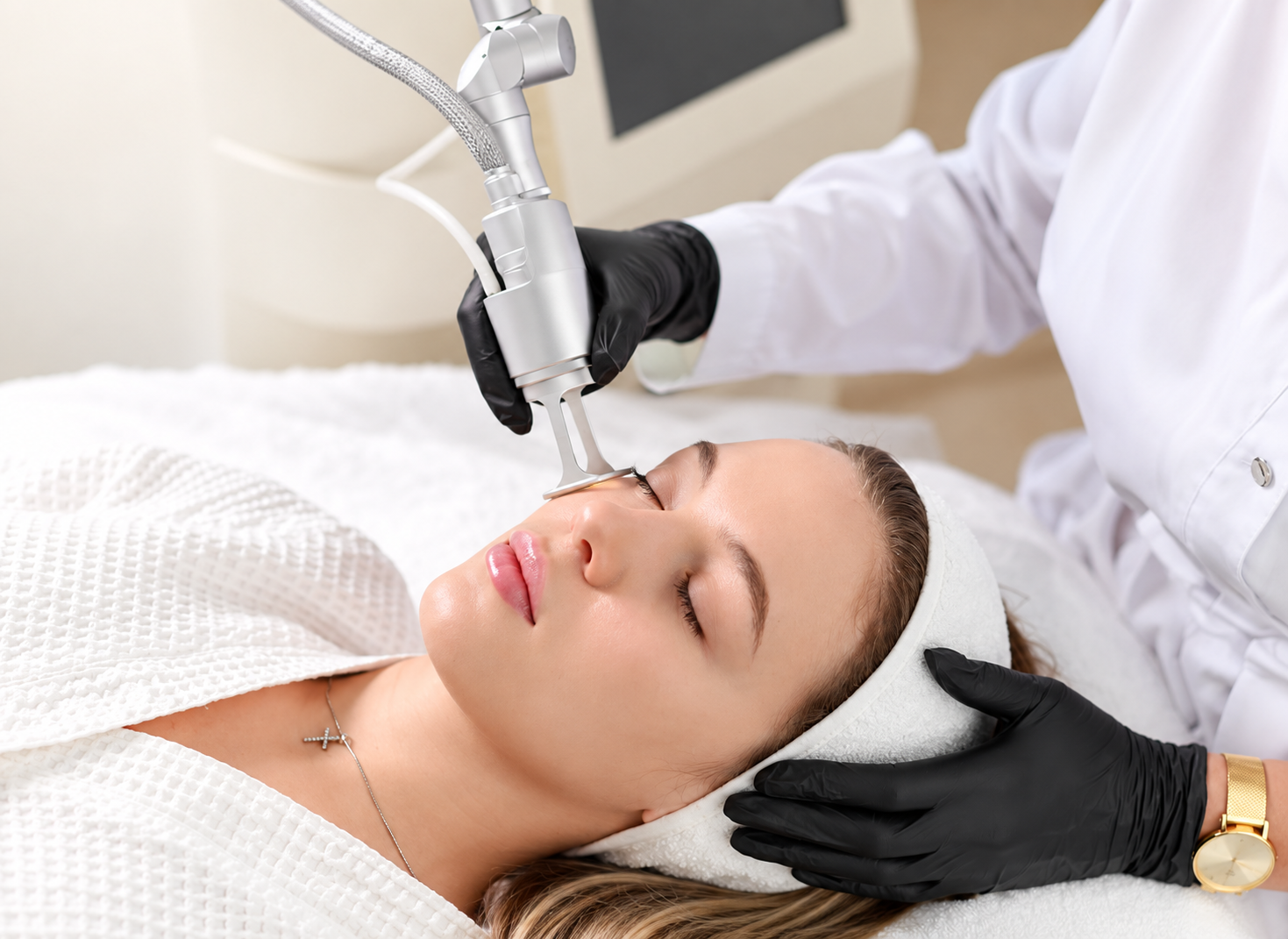
Laser Hair Removal for Face in Delhi
Unwanted facial hair can be difficult to manage with repeated waxing, threading or shaving. At Skinfollix, laser hair removal for the face in Delhi is planned around your individual skin type, hair colour, hair thickness and treatment area. Our dermatologist-led approach focuses on long-term reduction of unwanted facial hair while selecting appropriate laser settings for your skin. Whether you are looking to treat the upper lip, chin, jawline, sideburns or other facial areas, your treatment plan is customized to your needs, skin characteristics and expected results.
Find the Right Facial Laser Hair Removal Plan for You
Tell us about your facial hair concerns, skin type and treatment goals. Our dermatologist in Delhi will assess your requirements and recommend a personalized treatment plan.
Laser Hair Removal for Face in Delhi: What You Need to Know
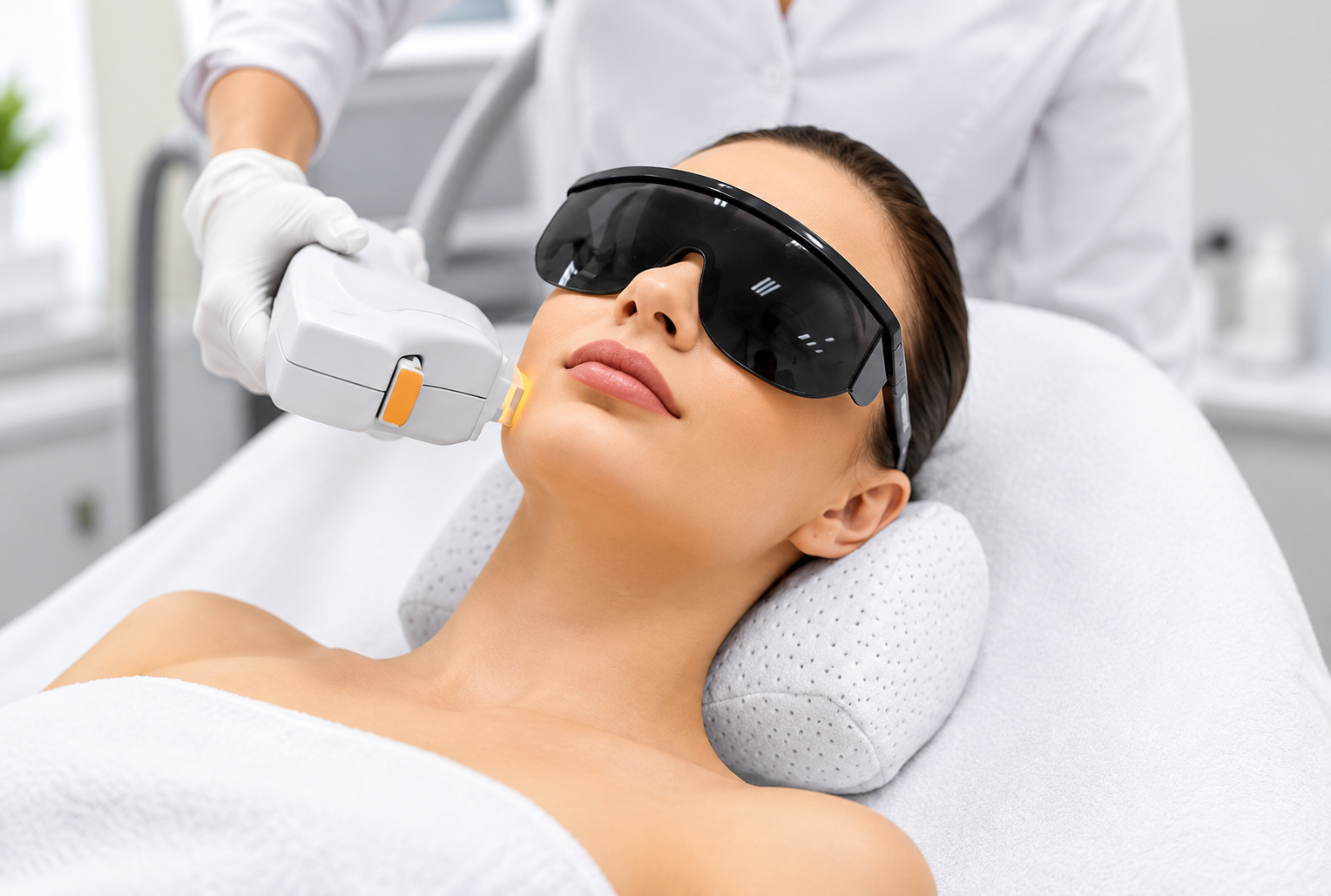
Facial hair can be frustrating to manage when shaving, threading or waxing has to be repeated regularly. Laser hair removal for the face in Delhi is designed to reduce unwanted facial hair over a course of treatments. At Skinfollix, treatment is planned according to your skin type, hair colour, hair thickness and the facial area being treated, whether you are concerned about the upper lip, chin, jawline, sideburns or other areas. A dermatologist-led assessment helps determine whether laser treatment is appropriate for your individual needs.
What Is Facial Laser Hair Removal?
Facial laser hair removal uses focused laser energy to target pigment within the hair follicle. With a planned course of treatments, this can reduce unwanted facial hair and slow future regrowth. The treatment approach is selected according to factors such as your skin tone, hair characteristics and the area being treated.
How Many Sessions Are Needed for Facial Hair?
Facial hair grows through different growth cycles, so one session cannot treat every follicle at the same stage. Multiple sessions are generally planned with intervals between treatments. The number of sessions varies according to hair thickness, growth pattern, skin characteristics, treatment area and individual response.
Is Facial Laser Hair Removal Permanent?
Laser hair removal is best understood as long-term hair reduction rather than guaranteed permanent removal of every hair. Many patients experience a substantial reduction in unwanted facial hair after completing an appropriate treatment course, although maintenance sessions may sometimes be recommended.
Is Laser Hair Removal Safe for the Face?
Facial laser hair removal should be planned around your individual skin and hair characteristics. A dermatologist-led assessment helps determine appropriate treatment settings and whether the procedure is suitable for the area being treated. Temporary redness or sensitivity can occur after treatment, while appropriate technique and aftercare help reduce the risk of complications.
How Much Does Facial Laser Hair Removal Cost in Delhi?
The cost of laser hair removal for the face in Delhi can vary depending on the treatment area, hair density, number of sessions required and the treatment approach selected. Smaller areas such as the upper lip may require less treatment than larger facial areas. A consultation allows the dermatologist to assess your requirements and provide an appropriate treatment plan.
How Does Laser Hair Removal for Face Work?
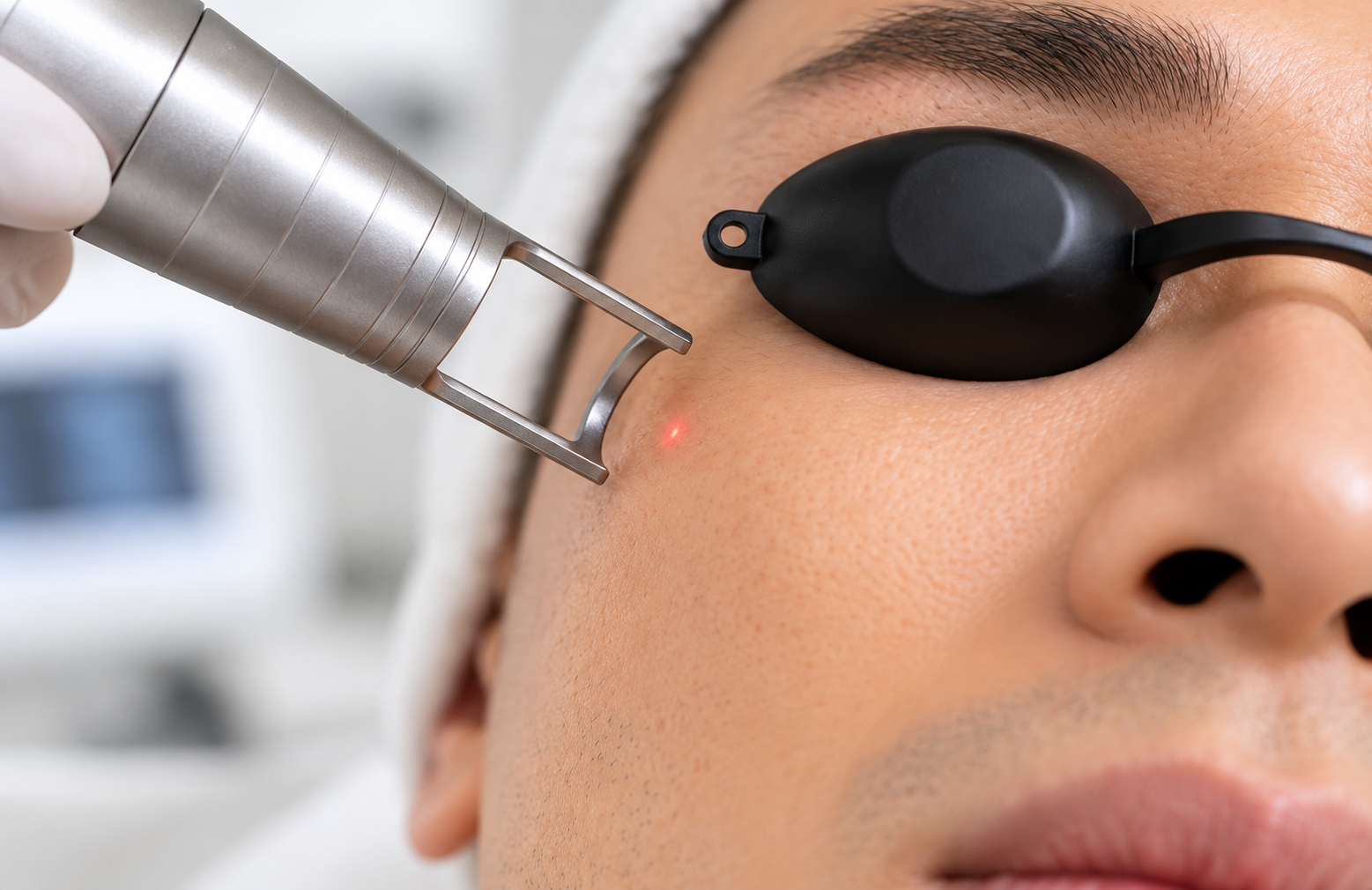
Laser hair removal for the face in Delhi uses focused laser energy to target the pigment within unwanted facial hair. The energy is absorbed by the hair follicle and converted into heat, which can reduce the follicle's ability to produce hair over time. Because facial hair does not all grow at the same stage, treatment is planned as a series of sessions rather than a one-time procedure. The expected response can vary according to your skin tone, hair colour, hair thickness, hormonal factors and the facial area being treated.
Is Laser Hair Removal Safe For Indian Skin?
Facial laser hair removal can be performed safely on Indian skin when the treatment is properly selected and individualized. Because Indian skin can contain more melanin, laser selection, energy settings, cooling and skin assessment are important parts of treatment planning.
At Skinfollix, facial skin tone, pigmentation concerns, hair characteristics and the treatment area are assessed before treatment. A patch test may also be recommended where appropriate to help determine how your skin responds before proceeding with a full treatment session.
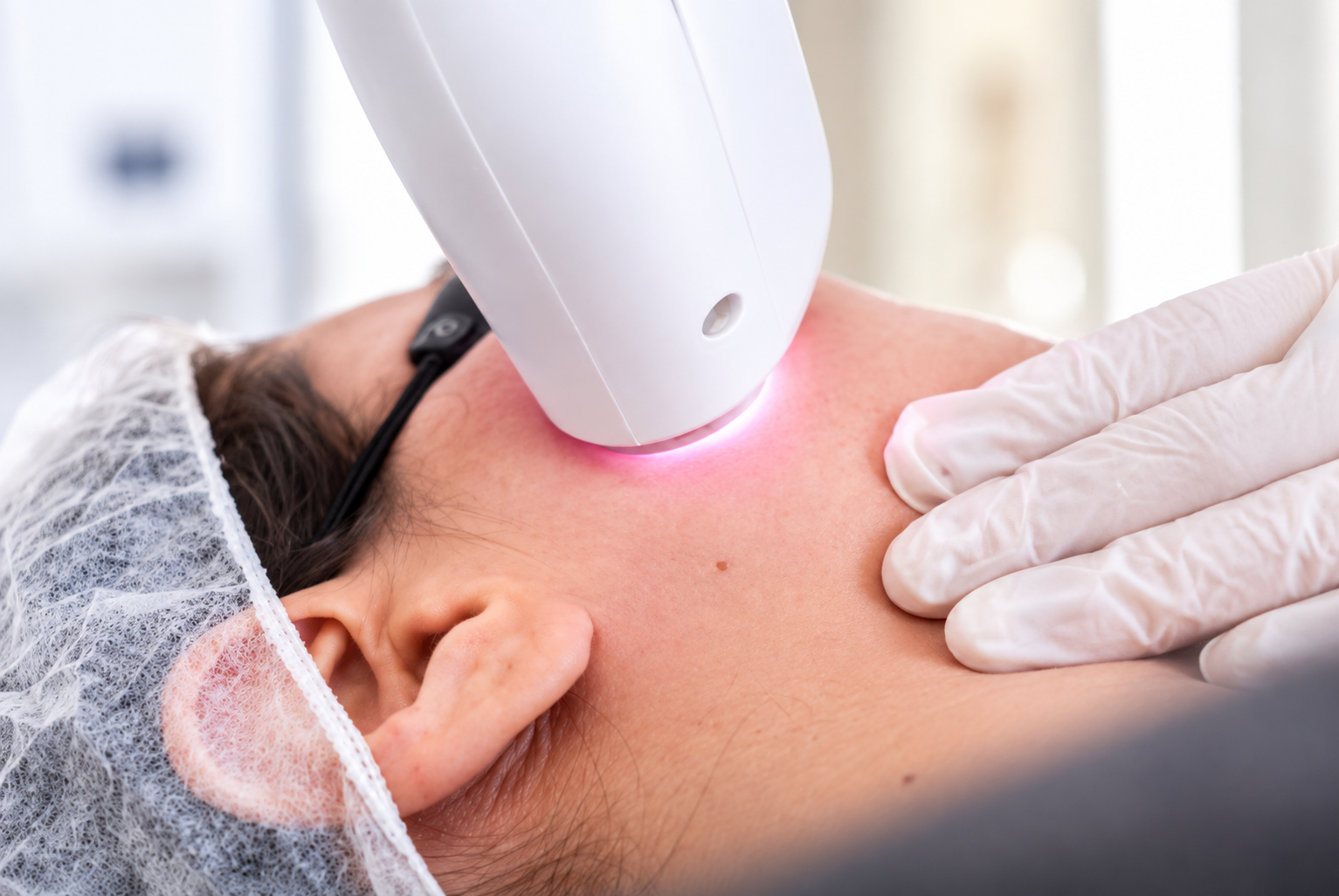
Which Laser Is Suitable For Indian Skin?
The appropriate laser depends on factors such as your skin tone, hair colour, hair thickness and the facial area being treated. Longer-wavelength options such as Nd:YAG may be considered for some medium to darker skin types, while other systems may be selected depending on the individual assessment.
Treatment settings are then selected according to your skin and hair characteristics and can be adjusted as your skin responds across subsequent sessions.
Can Facial Laser Hair Removal Cause Pigmentation?
Pigmentation changes can occur after laser treatment, particularly when the wrong settings are used or the skin has recently been exposed to significant sunlight. The risk depends on factors including skin type, treatment settings and individual skin response.
Appropriate laser selection, controlled energy levels, patch testing where appropriate and following sun protection and aftercare instructions can help reduce the risk of unwanted pigmentation changes.
How Is Facial Skin Protected During Treatment?
Facial skin is monitored throughout treatment, with appropriate cooling and treatment settings used to help protect the skin surface while laser energy targets the unwanted hair follicle.
Your dermatologist can review your skin response at each visit and adjust the treatment approach when needed. Aftercare guidance, including sun protection and instructions on what to avoid after treatment, is also an important part of the process.
Which Areas Of The Face Can Be Treated With Laser Hair Removal?
Facial laser hair removal can be planned for specific areas or multiple areas of the face. At Skinfollix, treatment is tailored to the location, hair characteristics and your individual skin type.
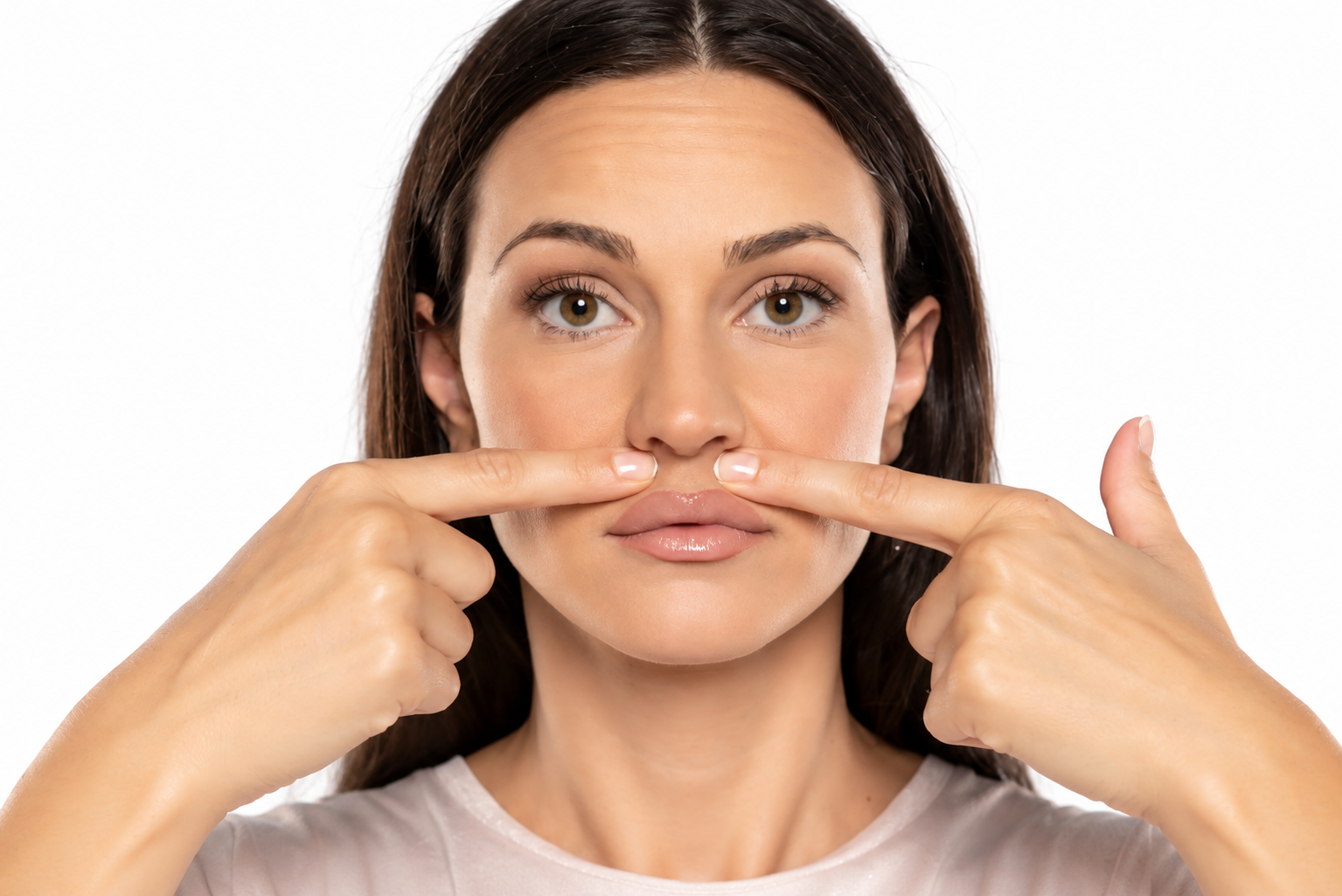
Upper Lip
A precise treatment option for unwanted upper-lip hair, with the approach adjusted for facial skin and the characteristics of the hair in this area.

Chin
Chin laser hair removal can target unwanted coarse or visible hair while allowing treatment settings to be tailored to the surrounding facial skin.

Jawline
Treatment can be planned for unwanted jawline hair, with the treated area and settings determined during your facial hair assessment.

Sideburns
Sideburn hair can be treated as an individual facial area when appropriate, with treatment planned around the desired shape and surrounding skin.

Cheeks
Facial cheek hair can be assessed for laser treatment based on hair colour, thickness, density and your overall facial-hair goals.

Full Face
A broader facial treatment plan can address multiple areas together, such as the upper lip, chin, jawline, cheeks and sideburns, depending on your assessment.
Benefits Of Laser Hair Removal For Face In Delhi
Facial laser hair removal can reduce unwanted hair over a course of treatments while helping reduce the need for frequent shaving, waxing or threading. The treatment plan is adjusted according to your facial hair, skin type, treatment area and individual goals.

Long-Term Facial Hair Reduction
Laser hair removal targets the pigment in unwanted facial hair and can progressively reduce hair growth over a course of sessions.
Hair response varies according to factors such as hair colour, thickness, density, skin tone and hormonal influences. Some people may need maintenance sessions after their initial course.
Smoother-Looking Skin
Repeated shaving and other hair-removal methods can leave some people dealing with visible stubble, razor bumps or irritation.
As facial hair becomes finer and less dense over treatment, many patients find that they need less frequent hair removal between sessions.
Less Shaving & Threading
If you regularly shave, thread or wax unwanted facial hair, laser hair removal can reduce the frequency of these routine hair-removal methods as treatment progresses.
This can be particularly useful for areas such as the upper lip, chin, jawline and sideburns where unwanted hair may require frequent upkeep.
Precise Facial Treatment
Facial laser hair removal can be planned for small, specific areas where unwanted hair is concentrated rather than treating the entire face unnecessarily.
The treatment approach can be adjusted for delicate areas such as the upper lip and for denser hair around areas such as the chin or jawline.
Multiple Facial Areas Can Be Planned
Facial laser hair removal can be planned for individual areas such as the upper lip, chin, jawline, cheeks or sideburns.
If unwanted hair affects several areas, a broader full-face treatment plan may be considered after assessing your skin, hair characteristics and treatment goals.
Dermatologist-Led Treatment Planning
Facial hair can differ considerably from one person to another. A dermatologist-led assessment considers your skin tone, hair colour, thickness, density and treatment area before sessions begin.
Your response can also be reviewed throughout treatment so that the plan can be adjusted when clinically appropriate.
How Many Sessions Of Facial Laser Hair Removal Are Needed?
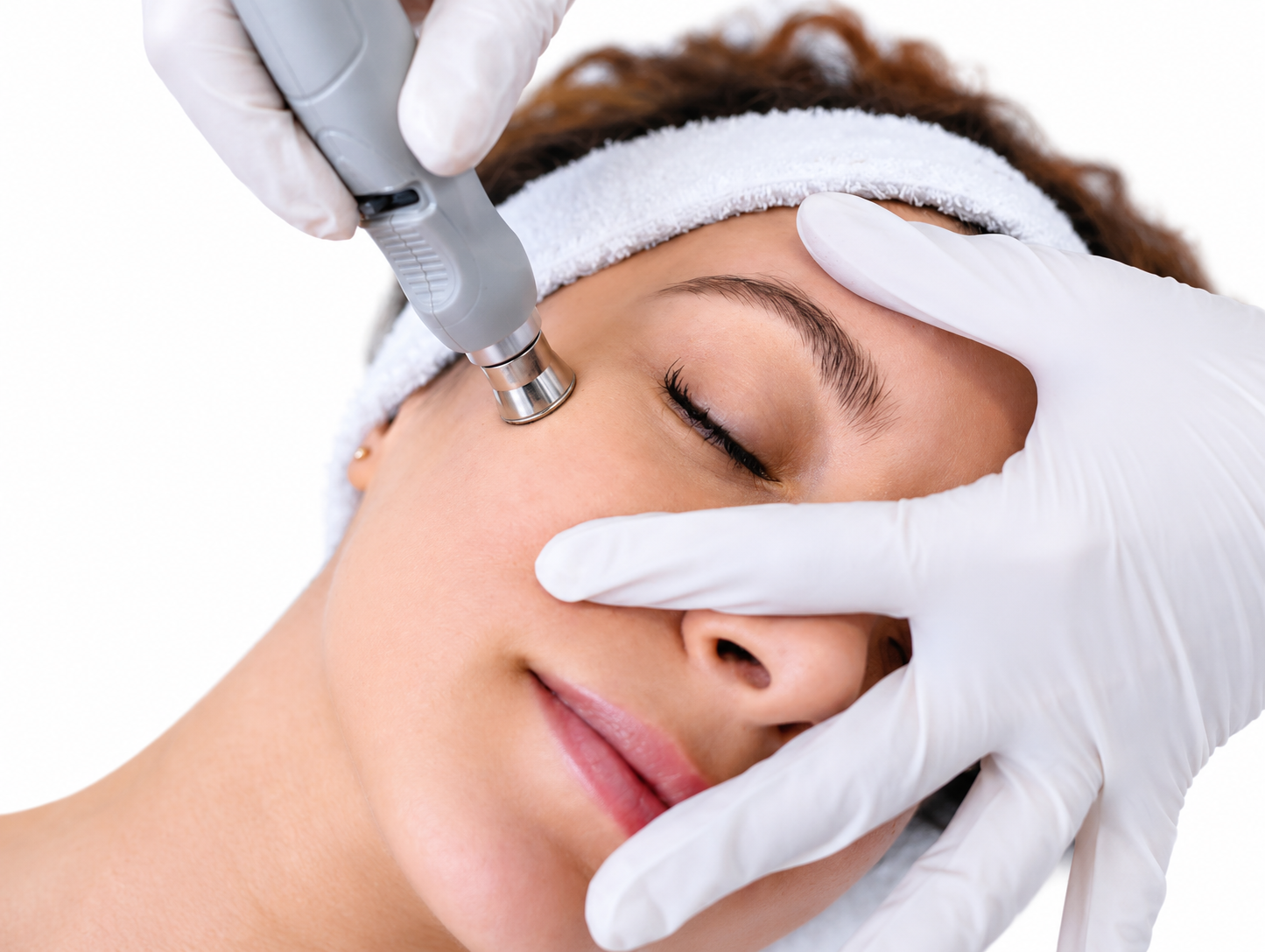
Facial laser hair removal usually requires a course of sessions rather than a single treatment. The exact number varies from person to person because facial hair grows in different cycles and responds differently to laser energy. Your treatment plan can therefore be adjusted according to your hair density, colour, thickness, skin type, treatment area and response between sessions.
There is no single number of sessions that applies to every patient. Facial hair characteristics, skin type, hair colour, hormonal factors and the treatment area can all influence how much reduction is achieved over time.
Many treatment plans involve several sessions, with progress reviewed as treatment continues. Your dermatologist can assess the response of your facial hair and determine whether additional sessions or maintenance treatment are appropriate.
Laser hair removal works best when the hair is in a growth phase in which the follicle can respond to the treatment. Because individual hairs are not all in the same phase at the same time, one session cannot treat every hair equally.
Sessions are therefore spaced apart to allow another group of hairs to enter a suitable growth phase before the next treatment. The exact interval is determined by the treatment area and your individual treatment plan.
The number of sessions can vary with hair colour, thickness, density and the area being treated. Hormonal influences can also affect facial hair growth and may influence the overall treatment response.
Your skin tone and how your skin responds to each session are also considered when planning treatment. If the hair becomes finer and sparser as treatment progresses, the treatment plan may be reviewed accordingly. Some patients may need occasional maintenance sessions after their initial course.
How To Prepare For Facial Laser Hair Removal & Aftercare
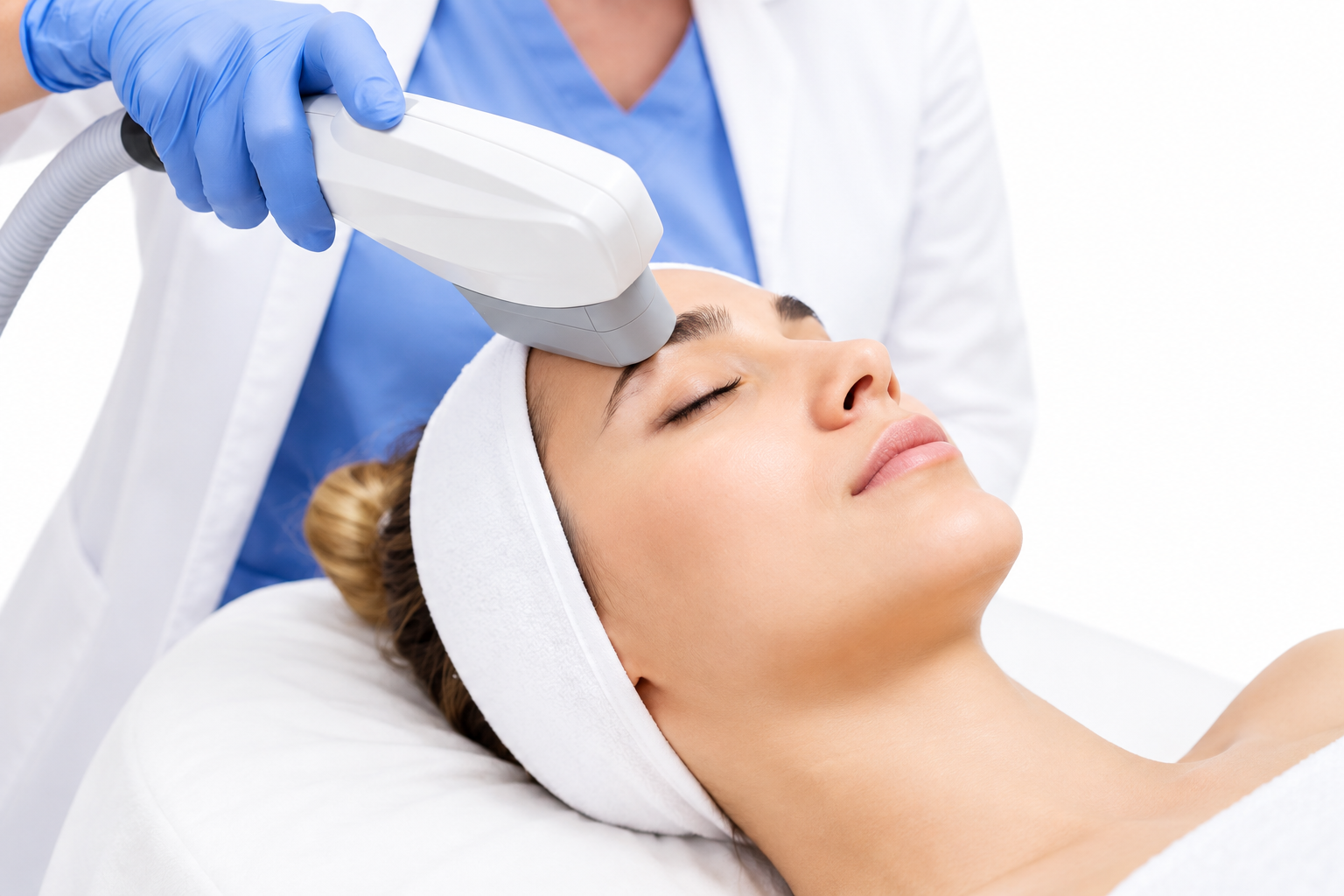
Good preparation and appropriate aftercare can help support a comfortable facial laser hair removal experience. Your dermatologist will provide instructions based on your skin, facial hair and treatment area. The following points explain some of the key things to discuss before and after your laser hair removal treatment in Delhi.
-
Before
Avoid Sun Exposure & Tanning
Protect the facial skin from excessive sun exposure and tanning before treatment. Tell your dermatologist about recent sun exposure or sunburn so the treatment can be planned appropriately.
-
Before
Shave, Don't Wax Or Pluck
Follow your clinic's instructions about shaving before treatment. Avoid waxing, threading or plucking when advised, because removing the hair from the root can interfere with the way laser treatment targets the follicle.
-
Before
Arrive With Clean Skin
Keep the treatment area clean and follow your clinic's instructions about skincare products before the appointment. Tell your dermatologist about relevant medicines, skin conditions or previous reactions.
-
After
Soothe & Protect The Skin
Mild redness, warmth or temporary sensitivity can occur after facial laser treatment. Follow your dermatologist's skincare instructions and avoid unnecessary rubbing or irritation of the treated area.
-
After
Use Daily Sun Protection
Facial skin should be protected from unnecessary sun exposure after treatment. Use sunscreen as advised by your dermatologist and take extra care when spending time outdoors between sessions.
-
After
Let Treated Hair Shed Naturally
Treated hairs may gradually shed over the following days or weeks. Continue with the recommended treatment schedule and avoid waxing, threading or plucking between sessions unless your dermatologist advises otherwise.

Meet Dr. Vijay Soyal
MD Dermatology, AIIMS · 15+ Years Of Experience · Dermatologist
Dr. Vijay Soyal is a dermatologist in Delhi with extensive clinical experience in dermatology and aesthetic skin treatments. At Skinfollix, facial laser hair removal begins with an assessment of your skin type, facial hair growth, hair thickness and the areas you want to treat.
Facial hair can vary significantly between patients, particularly across areas such as the upper lip, chin, jawline, sideburns and cheeks. Treatment planning therefore focuses on your individual skin and hair characteristics rather than using the same approach for every patient.