
New DelhiB-2/6, Road, B 2 Block, Paschim Vihar, New Delhi, Delhi, 110063+91 8929299529
Skinfollix Hair & Dermatology Clinic, Delhi
Male Pattern Baldness Treatment In Delhi
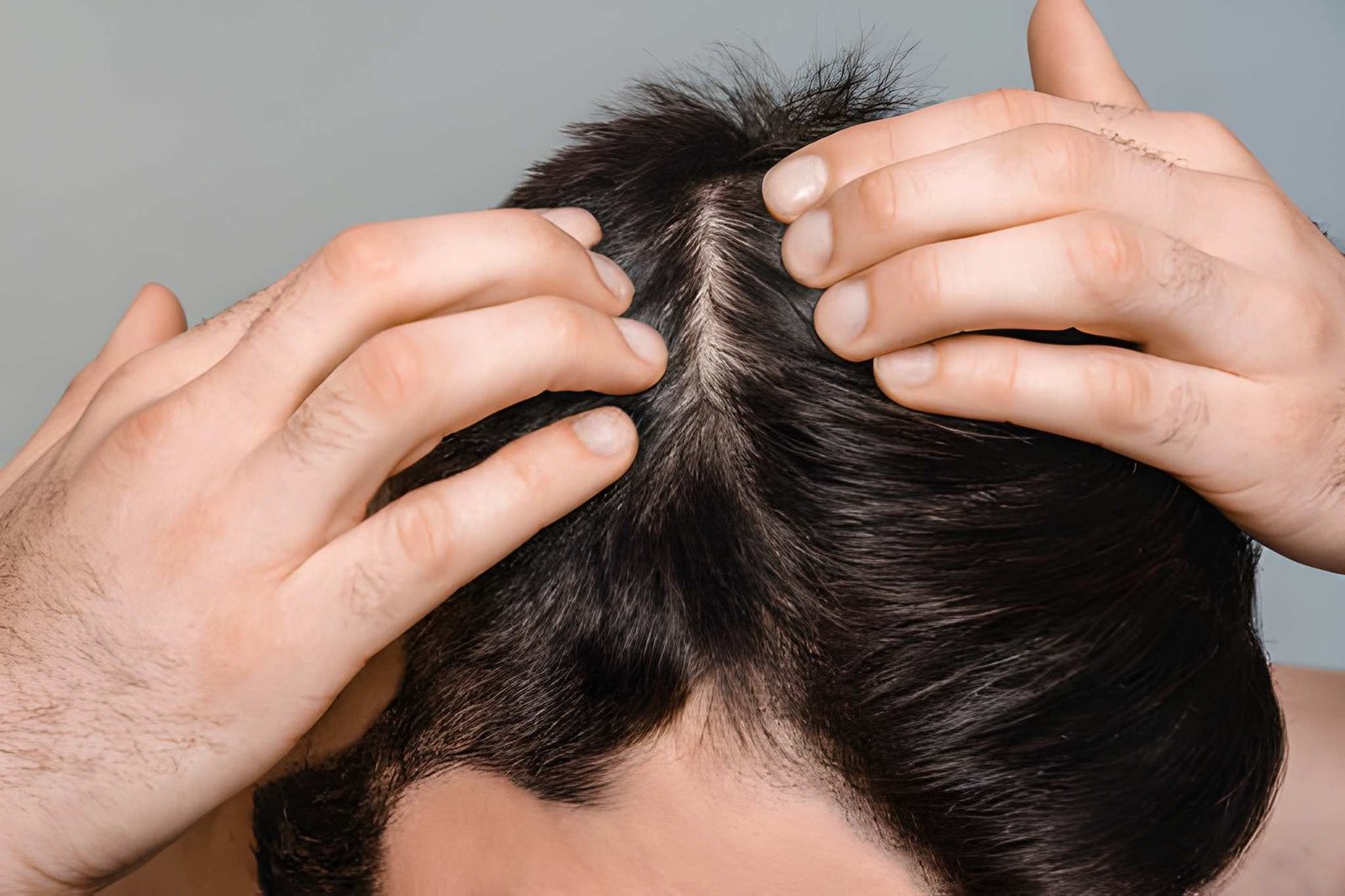
A receding hairline, increasing thinning at the crown, or a gradual loss of overall density can be early signs of male pattern baldness. Also called androgenetic alopecia, it is the most common form of progressive hair loss in men and is largely influenced by genetics and the effect of DHT on susceptible hair follicles. At Skinfollix, male pattern baldness treatment in Delhi begins with assessing your current pattern and stage of hair loss rather than treating every case the same way. Our AIIMS-trained, board-certified dermatologist evaluates the hairline, crown, scalp and follicle health before recommending a personalised plan. Depending on your stage, treatment may include prescribed medical therapy, PRP, low-level laser therapy or, where appropriate, referral for hair transplant evaluation. The goal is to slow further loss, preserve existing hair and support the best possible regrowth based on your individual condition.
Tell us where you're noticing thinning — hairline, crown or overall density — and how long you've been experiencing it. Our male pattern baldness specialist in Delhi will get in touch to schedule your personalised scalp and hair loss assessment.
Your information stays private and is only used to schedule your consultation.
Why Skinfollix
Why Choose Skinfollix For
Male Pattern Baldness Treatment
In Delhi?
Male pattern baldness is progressive, which means the earlier it is assessed accurately, the more treatment options are usually available. At Skinfollix, your male pattern baldness treatment in Delhi begins with proper assessment and staging of your hair loss. Your AIIMS-trained, board-certified dermatologist considers your current pattern, rate of progression, scalp findings and treatment goals before recommending an approach suited to your stage rather than applying the same protocol to every patient.
Norwood-Staged Diagnosis
Trichoscopy and Norwood-scale staging help establish your current pattern and extent of male pattern baldness, creating a baseline for treatment and future monitoring.
AIIMS-Trained Dermatologist
Your consultation and treatment are led by an AIIMS-trained, board-certified dermatologist with over 15 years of clinical experience treating androgenetic alopecia and other forms of hair loss.
Full Range Of Treatment Options
Depending on your stage, treatment may include topical or oral medication, PRP, low-level laser therapy or hair transplant evaluation where appropriate.
Early-Stage Treatment Focus
Early assessment can help identify progressive thinning before extensive miniaturisation occurs, keeping more treatment options available for preserving existing hair.
Transparent Treatment Guidance
Your Norwood stage, suitable treatment options, expected timelines, follow-up requirements and applicable costs are explained clearly before you commit to treatment.
Long-Term Hair Loss Planning
Male pattern baldness is progressive and can continue over time. Regular monitoring helps assess treatment response and plan for the long-term preservation of existing hair.
Understanding Male Pattern Baldness
What Is Male Pattern Baldness?
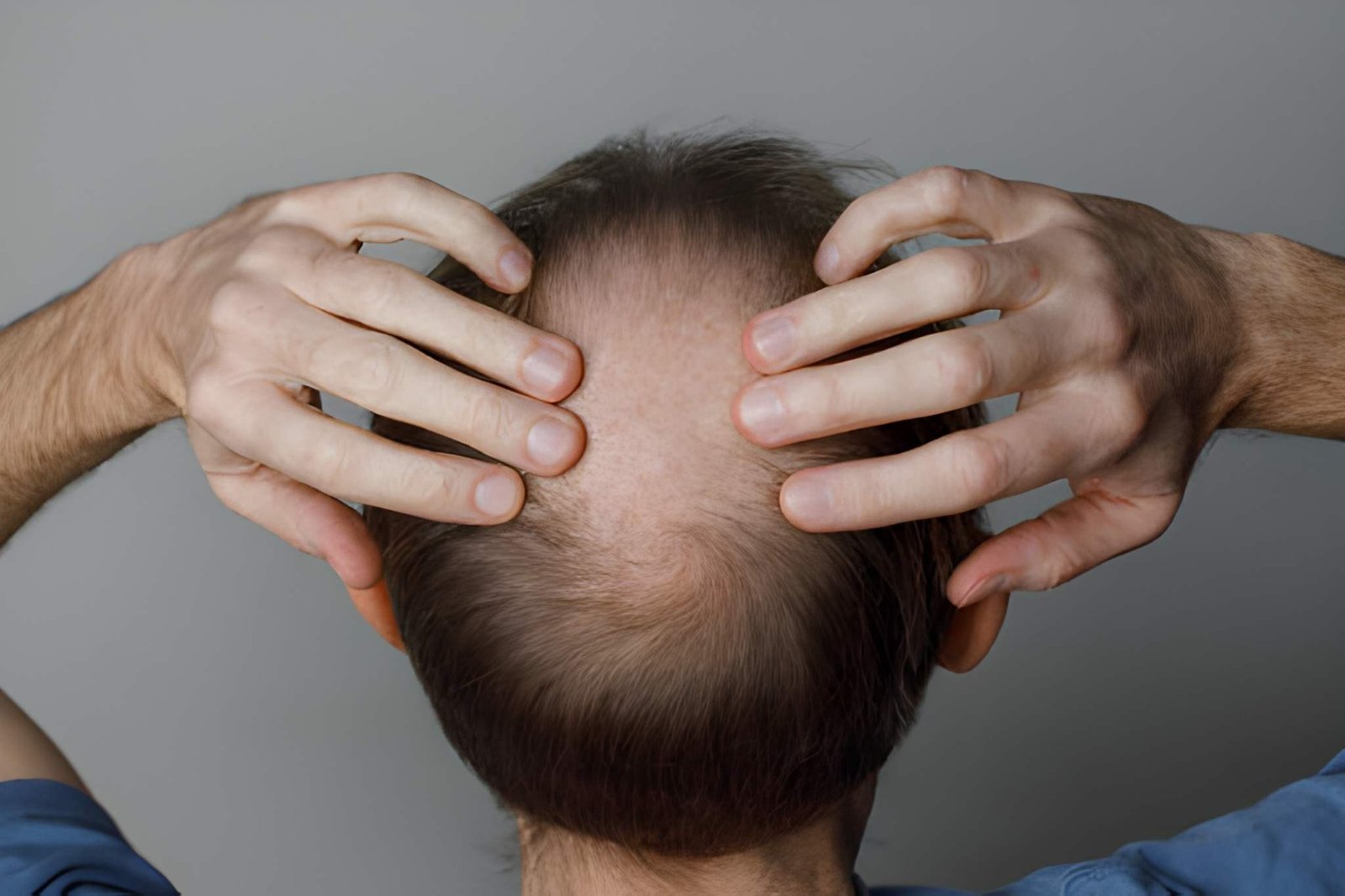
Male pattern baldness, medically known as androgenetic alopecia in men, is a genetic form of hair loss influenced by sensitivity to dihydrotestosterone (DHT), a hormone derived from testosterone. Over time, susceptible follicles gradually become smaller and produce finer, shorter hairs — a process known as miniaturisation. The condition usually follows a recognisable pattern, most often beginning around the temples, frontal hairline or crown. Because male pattern baldness is progressive, assessing the stage of hair loss early can help determine which treatment options may be appropriate.
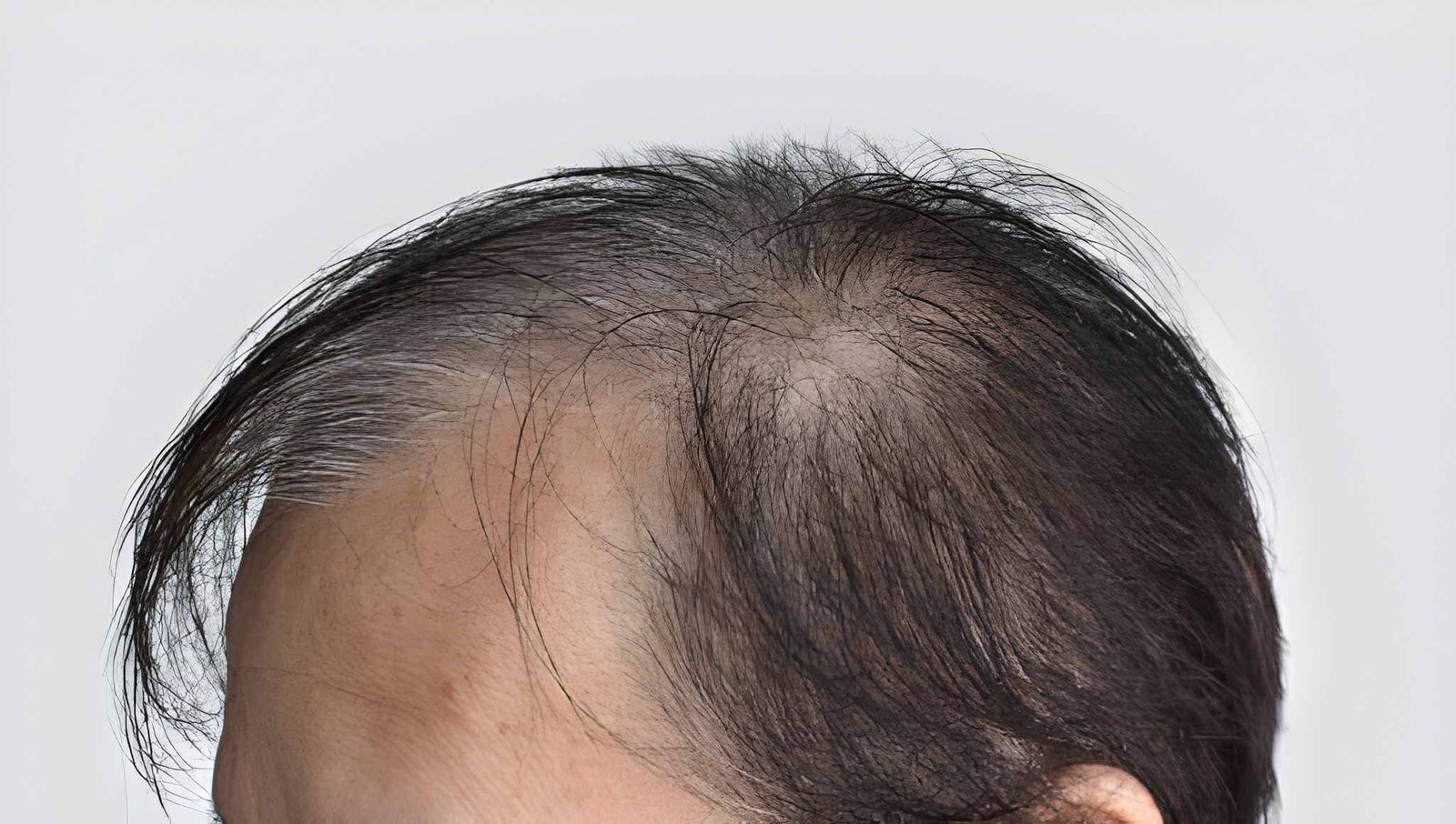
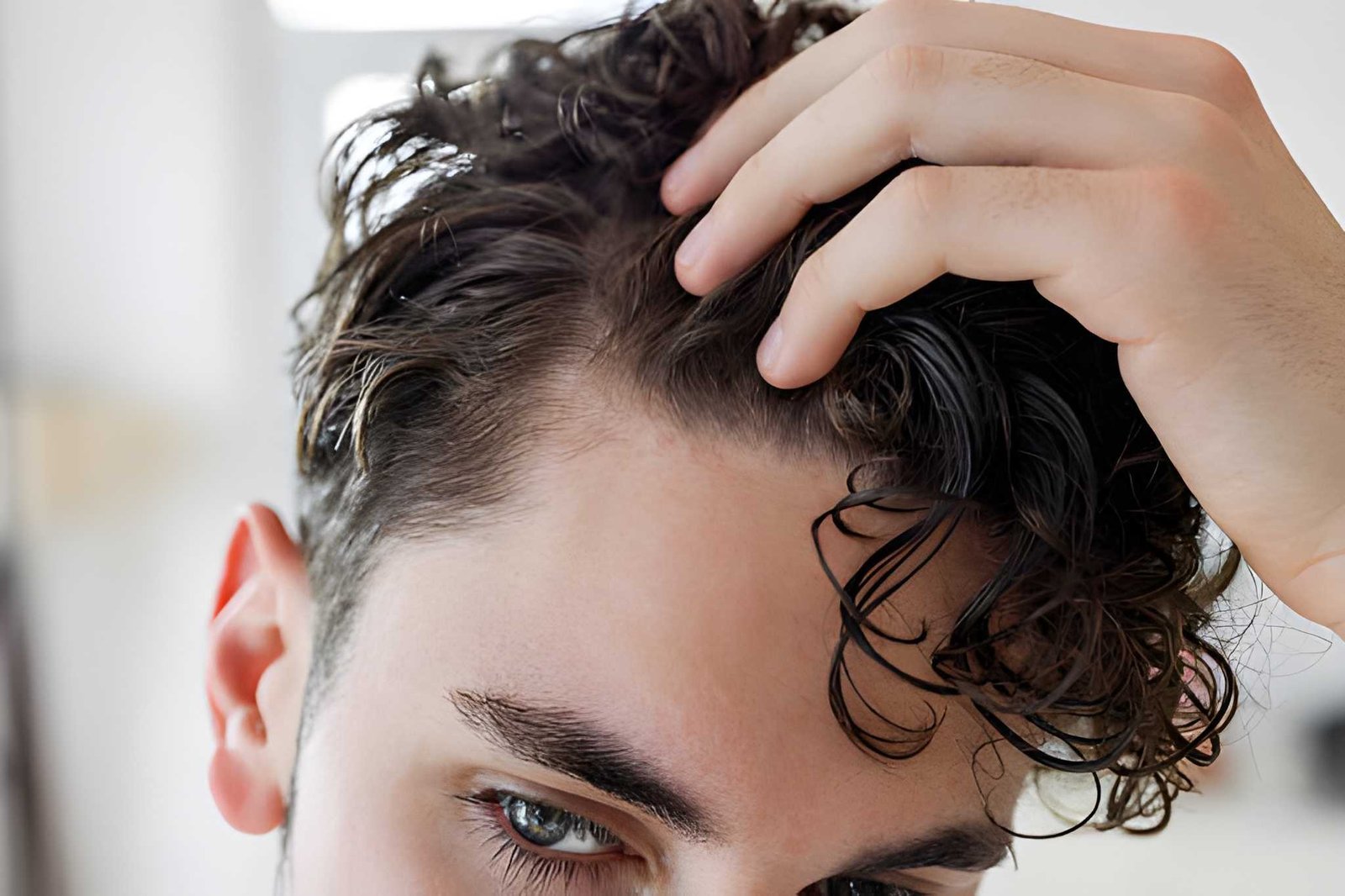
Men may first notice a receding hairline at the temples, thinning around the crown, or a gradual reduction in overall density. These areas can progress separately or at the same time. As follicle miniaturisation continues, the frontal and crown areas may become increasingly connected, while the hair at the sides and back often remains denser. The Norwood-Hamilton scale is commonly used by dermatologists to describe the stage and extent of male pattern hair loss.
In genetically susceptible men, follicles in areas such as the frontal scalp, temples and crown are more sensitive to the effects of DHT. Repeated exposure can progressively shorten the growth phase and reduce follicle size, resulting in finer and less visible hairs. Follicles at the sides and back of the scalp are generally less sensitive, which helps explain the characteristic distribution of male pattern baldness and why these areas may remain relatively preserved.
Gradual recession at the temples or progressive crown thinning is typical of male pattern baldness, but not every case of hair loss in men is androgenetic alopecia. Sudden widespread shedding may point towards telogen effluvium, while clearly defined bald patches may suggest alopecia areata. Hair loss accompanied by scaling, inflammation or scalp discomfort can also have another underlying cause. A proper dermatological assessment helps distinguish these conditions before a treatment plan for men's hair loss in Delhi is recommended.
Diagnosis First
Before Any Treatment
How We Diagnose Male Pattern Baldness
Male Pattern Baldness Diagnosis At Skinfollix
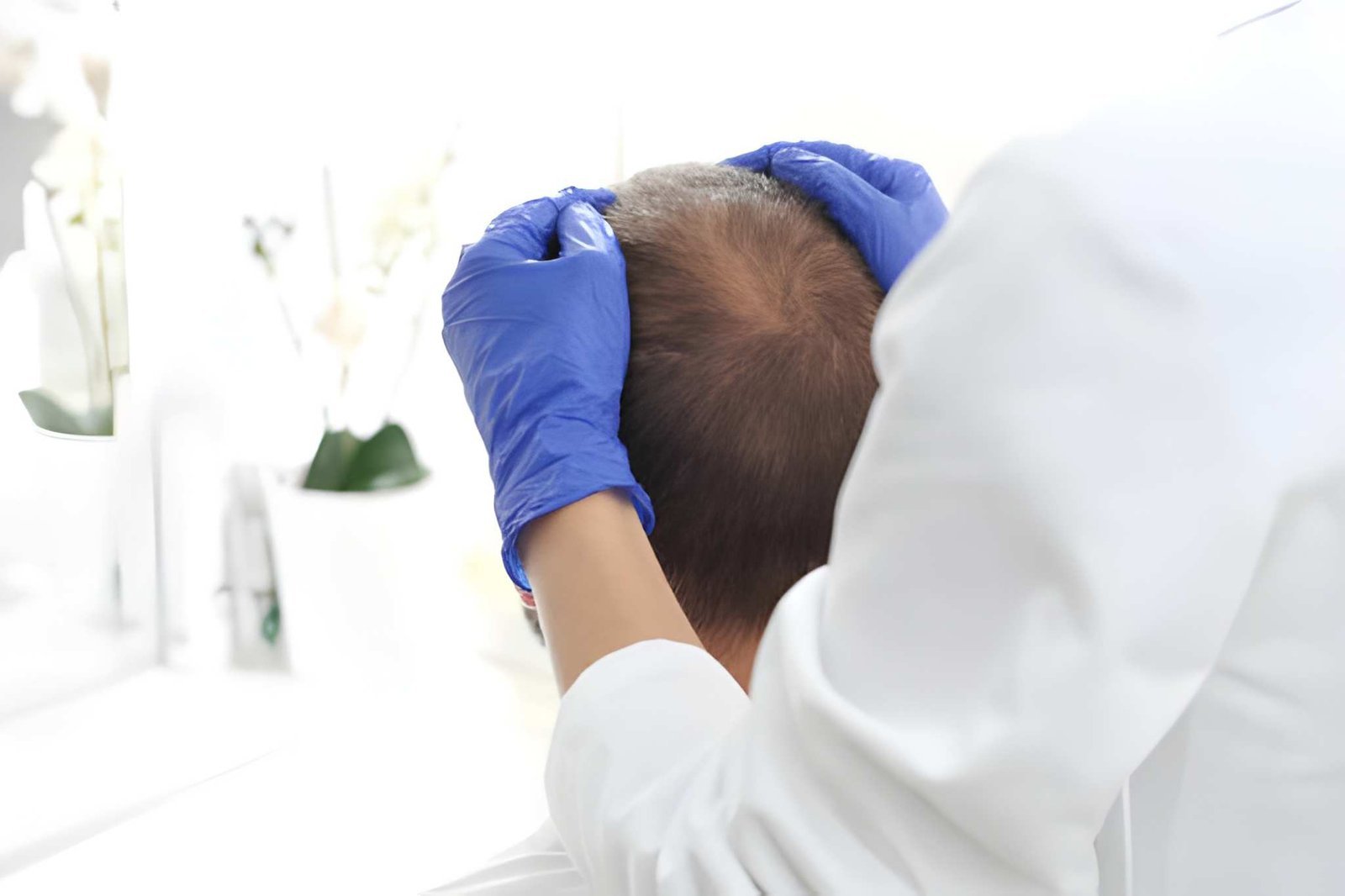
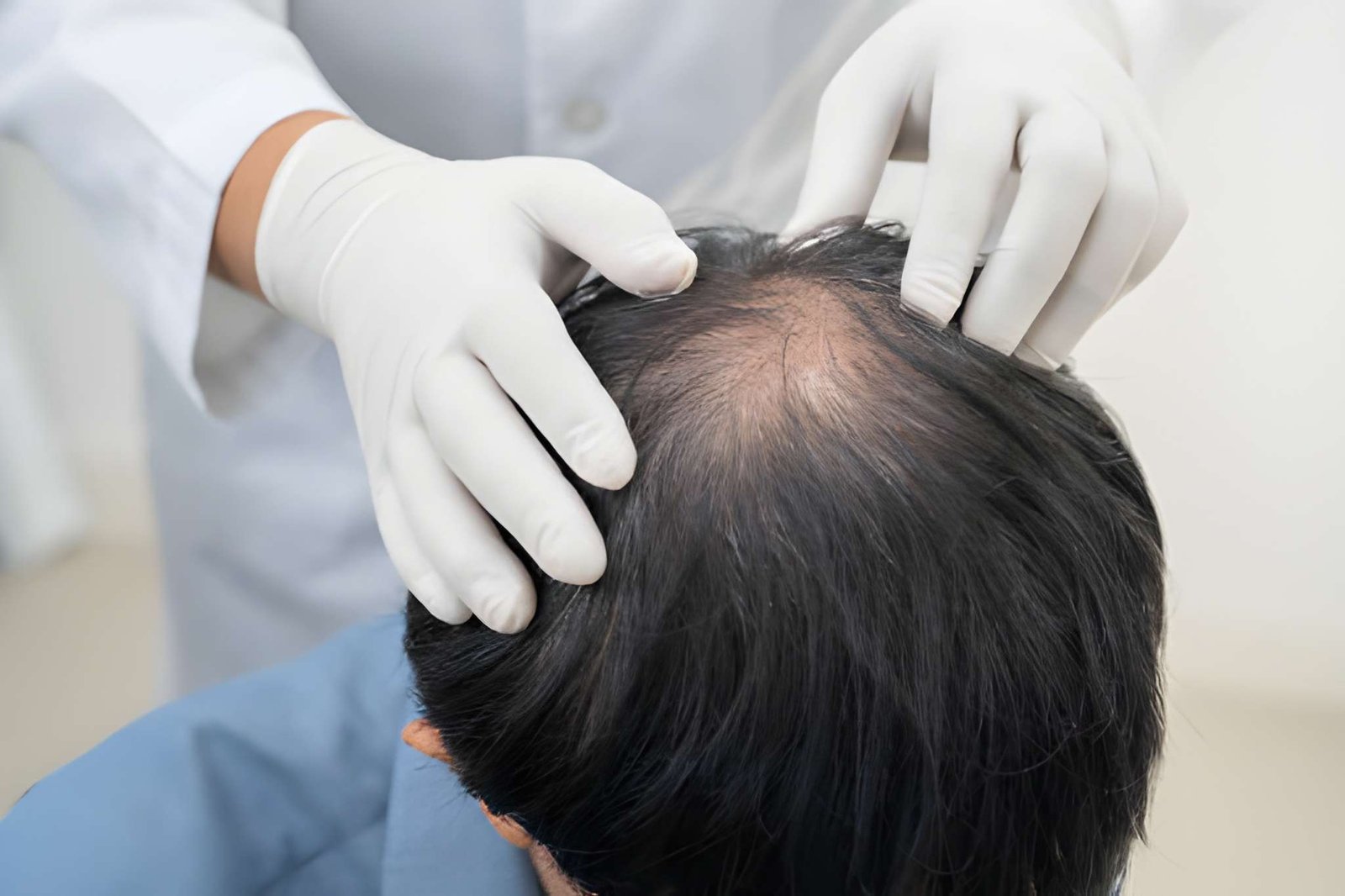
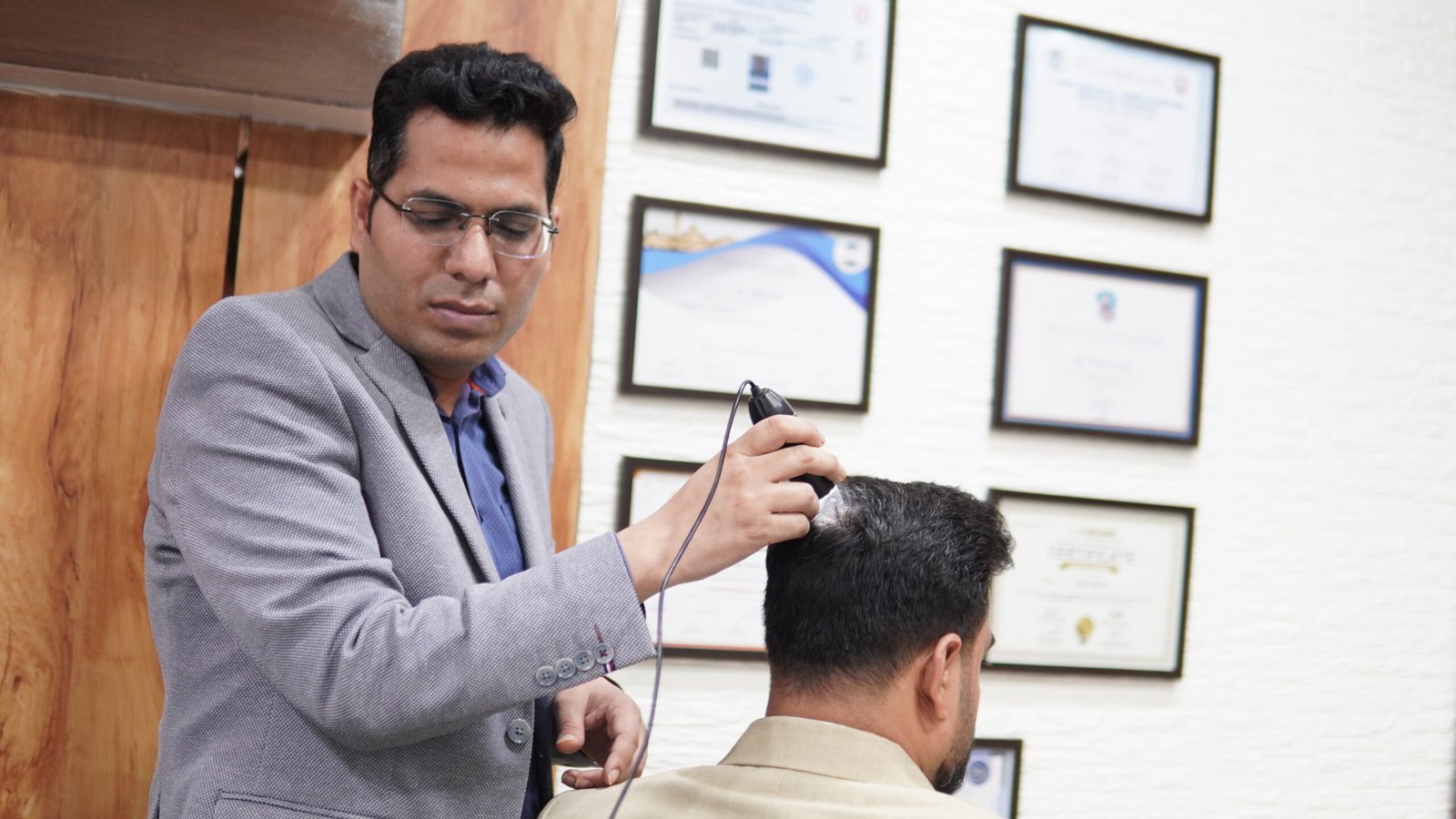
Every male pattern baldness treatment in Delhi at Skinfollix begins by confirming that androgenetic alopecia is actually responsible for your hair loss. Our male pattern baldness dermatologist in Delhi uses trichoscopy to examine the scalp for signs of follicle miniaturisation, including differences in hair shaft thickness and the presence of progressively finer hairs. Your hairline and crown are also assessed against the Norwood-Hamilton scale to establish the current stage and extent of hair loss.
We also review your family history, including patterns of hair loss on both sides of the family, as well as how quickly you have noticed changes in your hairline, crown or overall density. Where the pattern is unusual or there are reasons to suspect another contributing factor, additional investigations such as thyroid or iron studies may be considered. Once your diagnosis, Norwood stage and rate of progression are established, our AIIMS-trained, board-certified dermatologist for hair loss in men discusses the treatment options that genuinely fit your situation.
Male pattern baldness treatment in Delhi works best when it addresses the underlying drivers of hair loss rather than focusing only on visible thinning. Genetics and sensitivity to DHT are the primary factors, while age of onset, progression and overall scalp or hair health can help explain how the condition presents in an individual. Our male pattern hair loss doctor in Delhi considers these factors together during diagnosis.
Genetics
Male pattern baldness is strongly influenced by inherited genetics from both sides of the family. Your genes largely determine how sensitive certain scalp follicles are to DHT and how likely pattern hair loss is to develop.
DHT Sensitivity
Dihydrotestosterone, or DHT, is produced from testosterone and can progressively miniaturise genetically susceptible hair follicles. Over successive growth cycles, affected hairs become shorter and finer, leading to visible thinning.
Age Of Onset
Pattern baldness can become noticeable in the late teens or twenties for some men, while others develop visible thinning much later. An earlier onset can indicate a longer period of progressive follicle miniaturisation.
Rate Of Progression
Hair loss does not progress at the same speed in every man. Some experience gradual thinning over many years, while others notice a faster change in the hairline or crown. Progression helps guide treatment planning.
General Health & Scalp Factors
Genetics remain the main driver of male pattern baldness, but thyroid problems, nutritional deficiencies and scalp conditions can contribute to overall hair shedding or quality. These factors may be assessed when your pattern suggests another cause.
Stress & Lifestyle Factors
Stress, poor sleep or inadequate nutrition do not cause male pattern baldness itself, but they can contribute to additional shedding alongside an existing genetic pattern. A complete history helps separate these overlapping causes.
Diagnosis First
Stages Of Male Pattern Baldness We Treat
Male pattern baldness does not progress at the same pace or follow exactly the same pattern in every man. Our male pattern baldness specialist in Delhi stages your hair loss using the Norwood scale and assesses the hairline, crown and overall density before recommending treatment. The earlier the condition is assessed, the more options may be available for preserving existing hair.
Norwood II–III
Early Receding Hairline
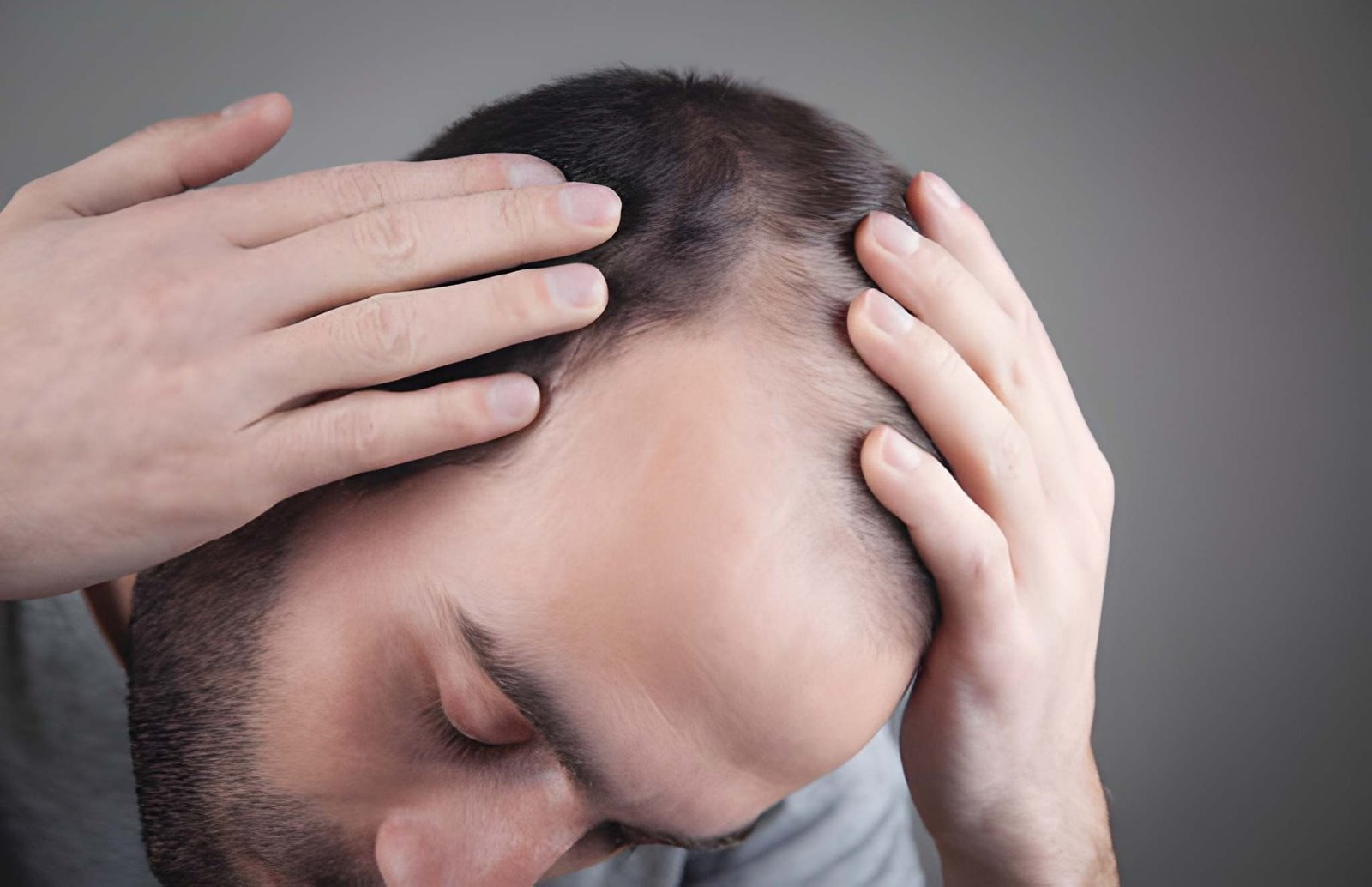
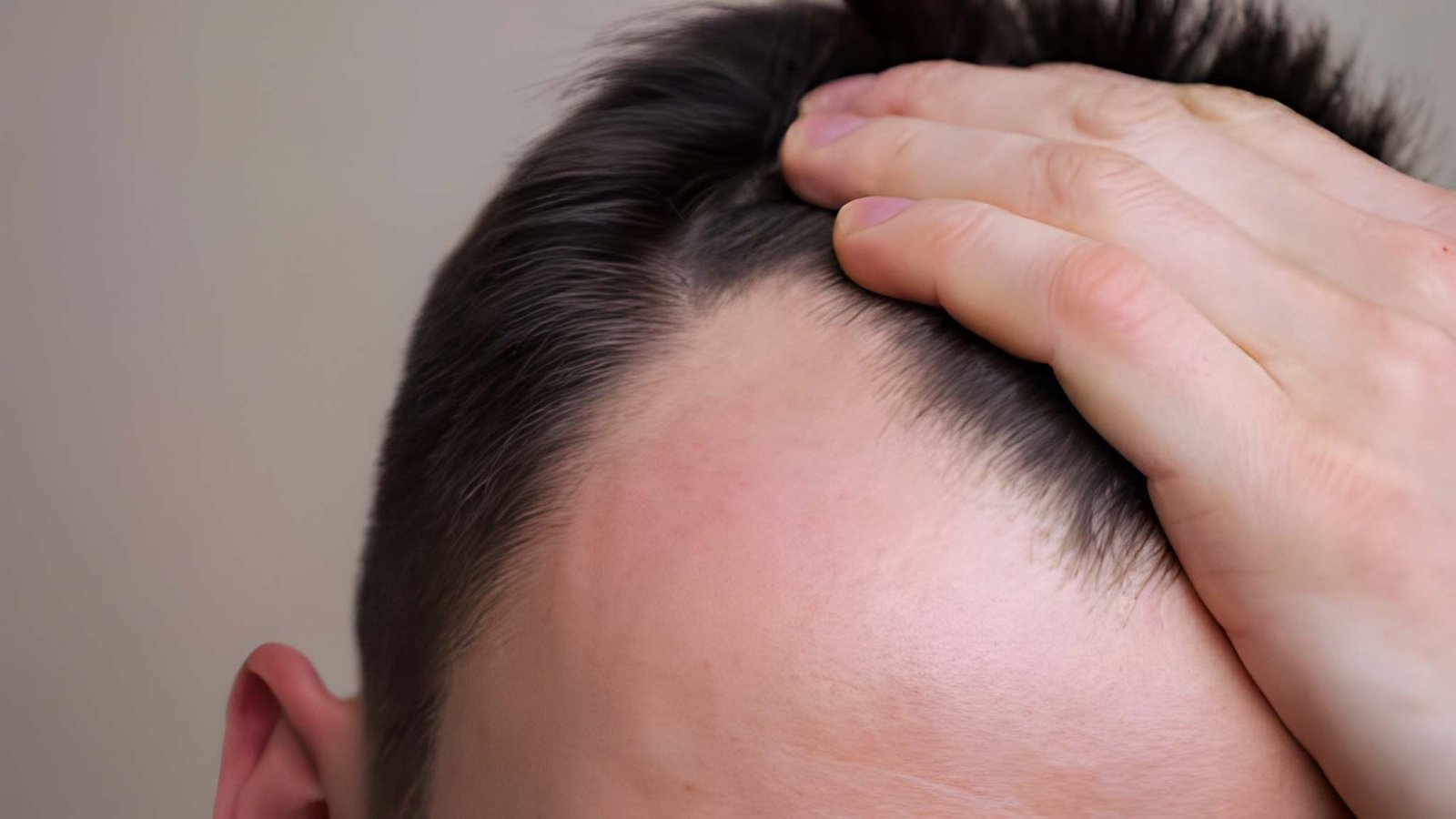
Recession at the temples is often one of the first visible signs of male pattern baldness. At this stage, medical treatment may help slow further progression and preserve existing hair.
Vertex Pattern
Crown Thinning
Hair density begins reducing around the crown or vertex, sometimes before noticeable hairline recession. Early crown thinning can be easier to miss without a scalp examination or comparison over time.
Norwood IV–V
Hairline & Crown Loss
Both the frontal hairline and crown are visibly affected, with thinning beginning to extend across the top of the scalp. Treatment planning usually needs to consider preservation and restoration together.
Norwood VI–VII
Advanced Pattern Baldness
Extensive frontal and crown hair loss may leave a defined rim of hair around the sides and back. Depending on donor density and individual goals, hair transplantation may become a more important treatment consideration.
Diffuse Pattern
Diffuse Thinning Pattern
Some men experience reduced density across a broader area of the top of the scalp rather than obvious recession at the temples. Trichoscopy helps distinguish this pattern from other causes of diffuse shedding.
Early Stage
Early / Preventive Stage
Men with a strong family history may notice subtle miniaturisation before obvious baldness develops. Identifying early changes can create an opportunity to discuss medical treatment aimed at preserving existing hair.
Don't Wait It Out
Signs That You Should See A Male Pattern Baldness Specialist
Male pattern baldness is progressive, and starting treatment earlier generally gives you more to work with. These are the signs worth getting checked by a male pattern baldness doctor in Delhi rather than waiting to see how things develop.
A Receding Hairline
Your temples look noticeably further back than they did a few years ago, or your forehead appears increasingly prominent. Gradual recession is one of the earliest visible signs of male pattern baldness.
A Widening Crown Or Thinning Area
The crown or vertex looks thinner in photographs, under overhead lighting, or when your hair is wet. A barber or family member may notice reduced density before it becomes obvious to you.
More Visible Scalp Through Your Hair
Your scalp becomes easier to see through the hair on top, particularly after washing or when your hair is wet. This can indicate that individual hairs are becoming finer and overall density is reducing.
A Strong Family History Of Baldness
If your father, maternal grandfather, brothers or other close relatives experienced significant hair loss and you're beginning to notice similar changes, an early assessment can help establish whether androgenetic alopecia is developing.
Our Treatments
Male Pattern Baldness Treatment In Delhi Available At Skinfollix
Once your Norwood stage is confirmed, our hair loss clinic for men in Delhi recommends from a full range of evidence-based options. Every plan is matched to your stage and goals — not a single default package applied to every patient.
Medical Treatment
Oral & Topical Medication
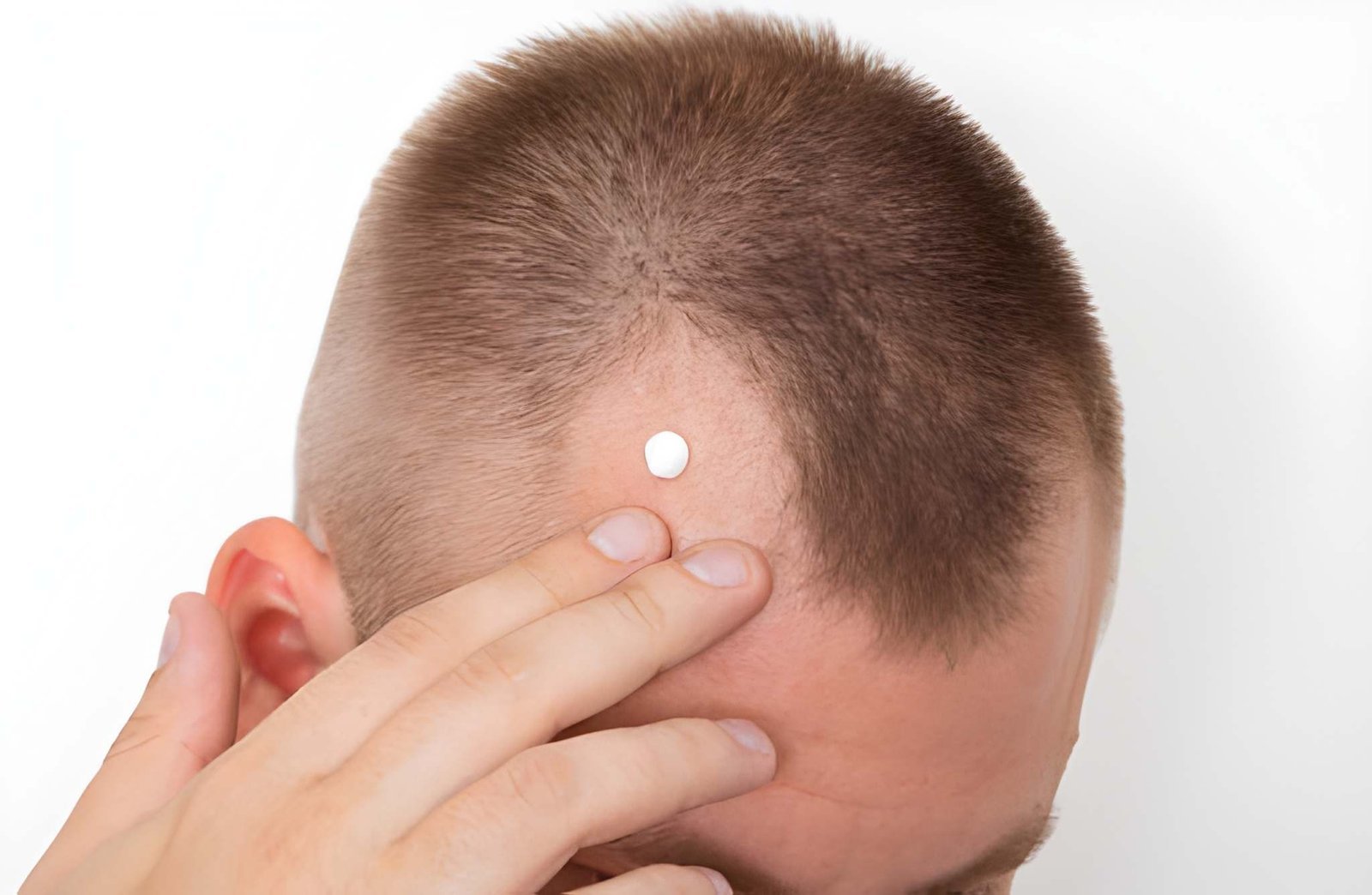
Dermatologist-prescribed topical minoxidil and, where appropriate, oral medication that addresses DHT are the backbone of medical therapy for male pattern baldness, particularly useful for slowing progression and preserving existing hair in earlier stages.
Doctor-supervised rather than self-medicated
Most useful when started before advanced thinning
Regenerative Support
PRP Therapy
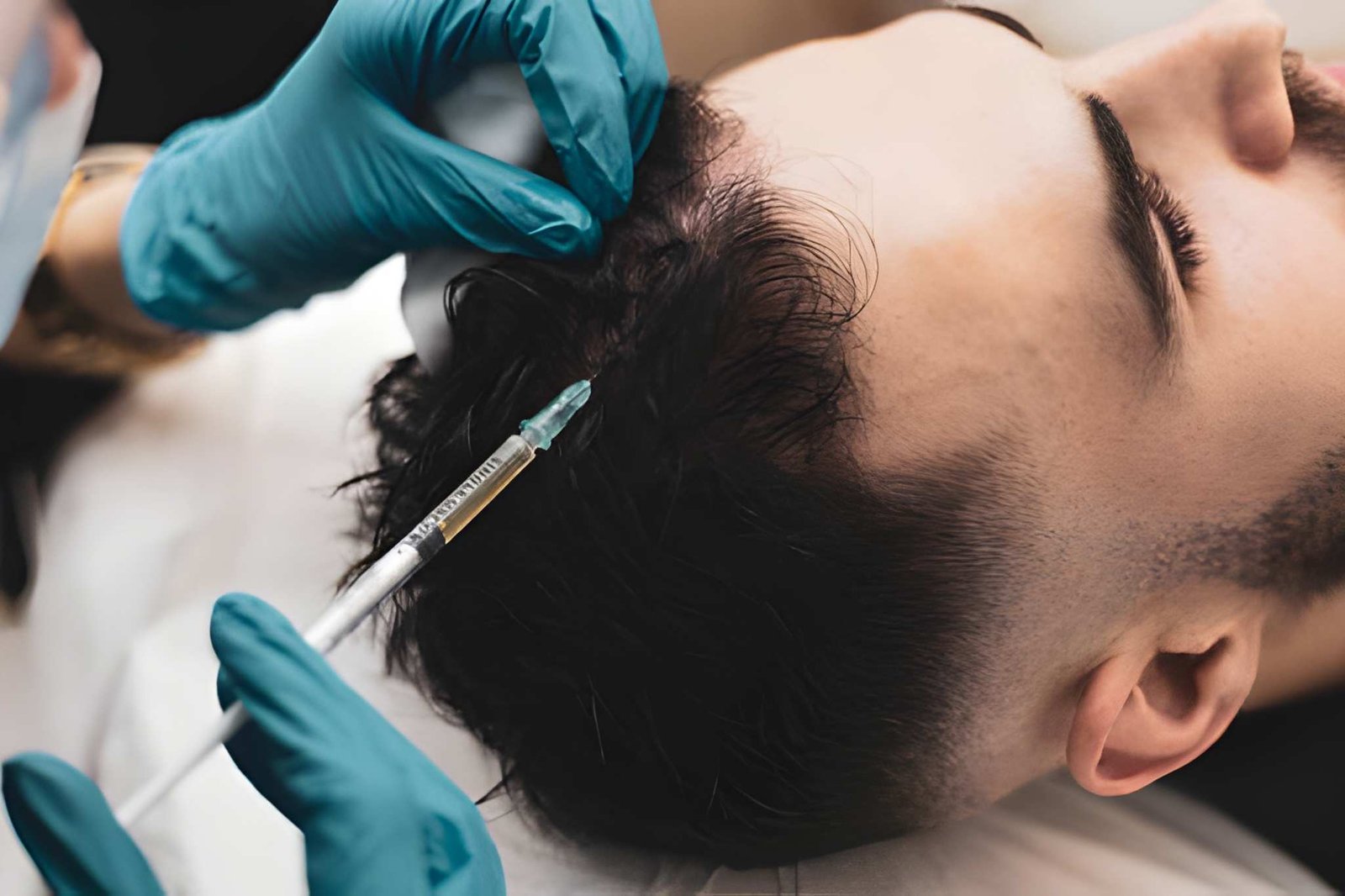
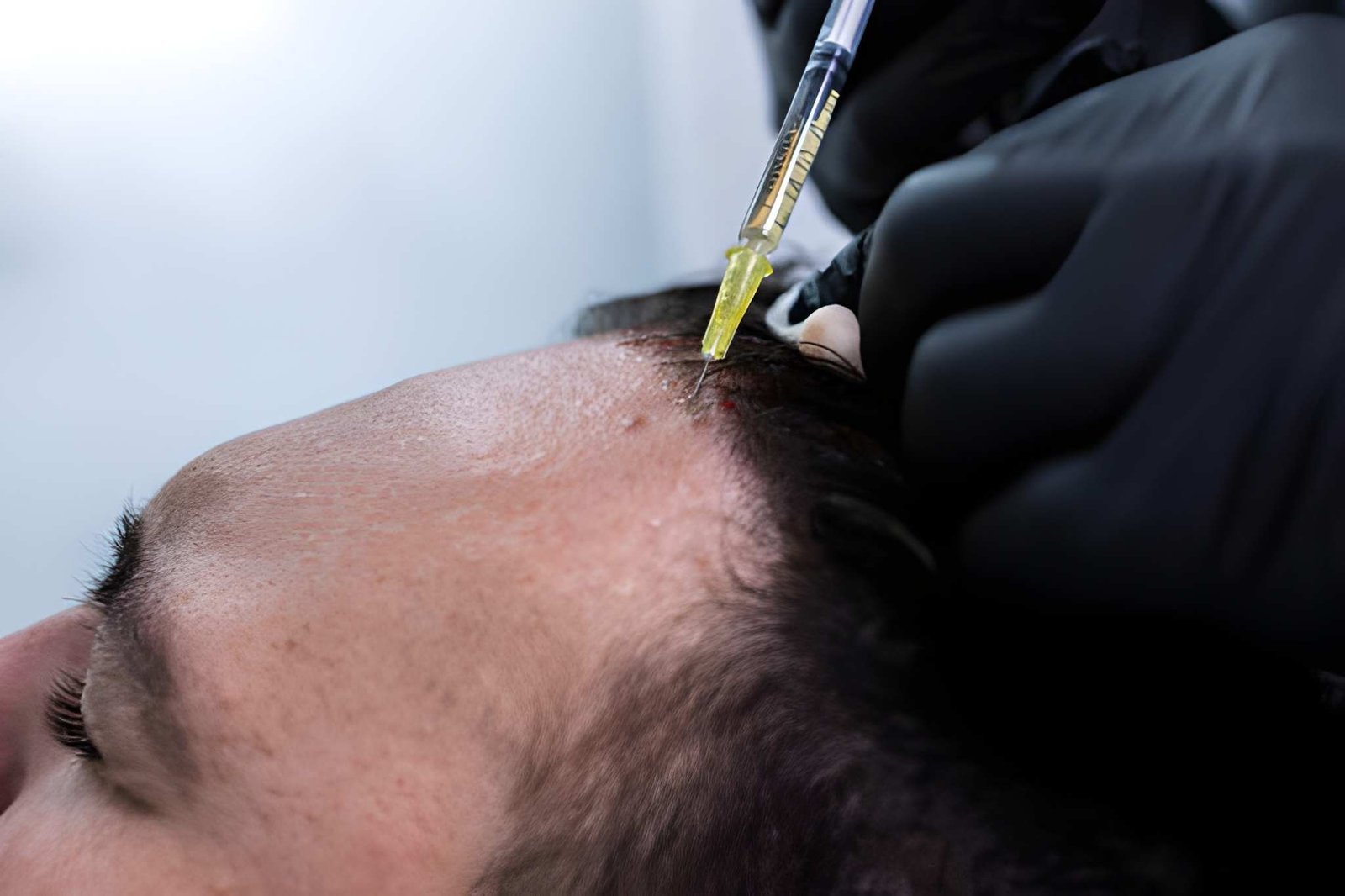
Platelet-rich plasma prepared from your own blood is injected into selected thinning areas and may be used alongside medical therapy for appropriately selected men with early to moderate male pattern baldness.
Uses platelets from your own blood
Usually provided as a course of sessions
Non-Invasive Therapy
Low-Level Laser Therapy
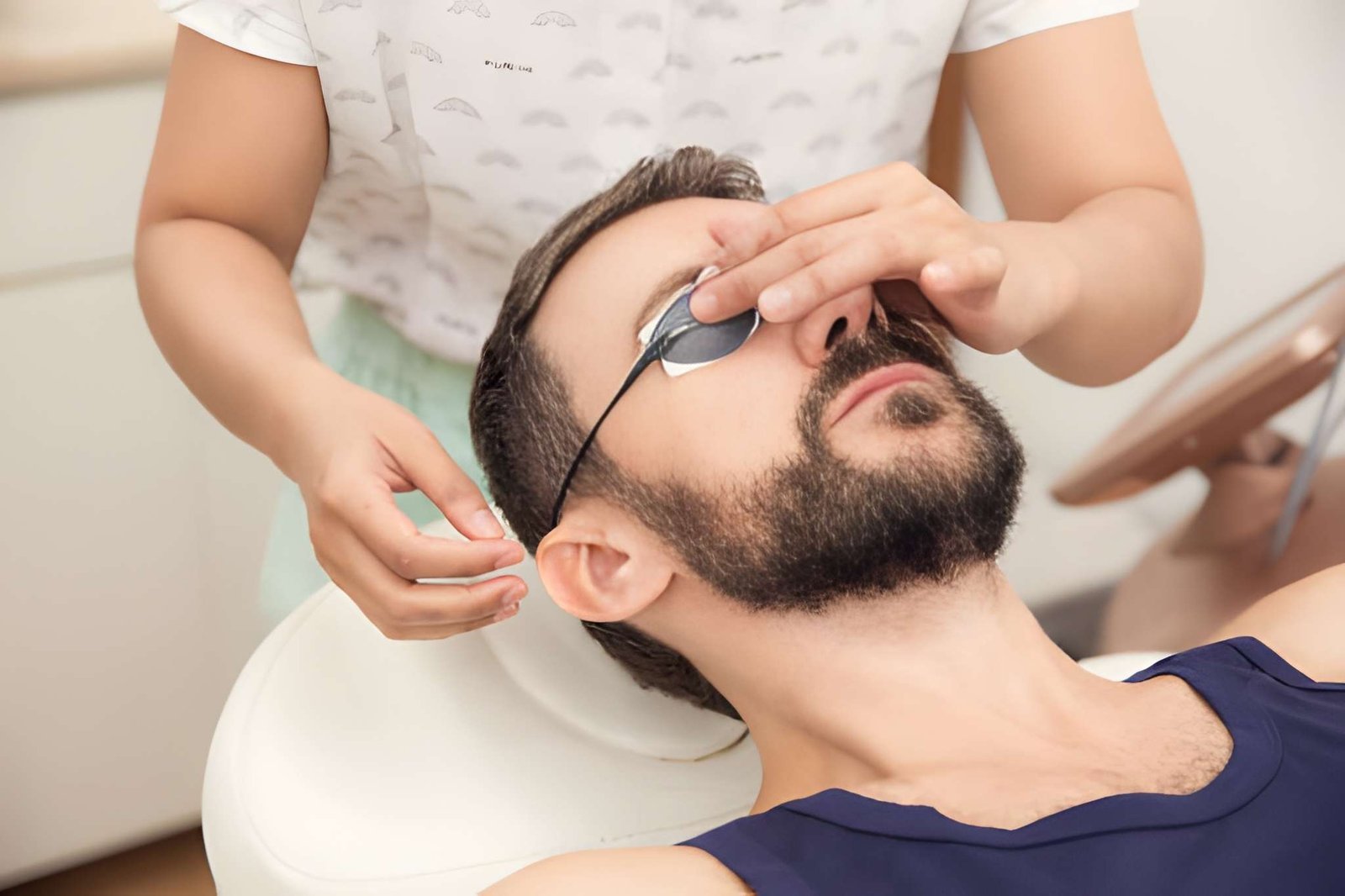
Low-level laser therapy uses controlled red-light energy directed at the scalp and may be used as a non-invasive addition to medical treatment for selected men looking to support hair density.
Non-invasive and needle-free
Can be combined with medical therapy
Scalp Therapy
Mesotherapy
Mesotherapy involves targeted micro-injections into the scalp, with the formulation selected according to your scalp condition and stage of hair loss. It may be considered as part of a broader treatment plan where appropriate.
Targeted scalp-based treatment
Formulation selected according to individual needs
Surgical Option
Hair Transplant — FUE / DHI
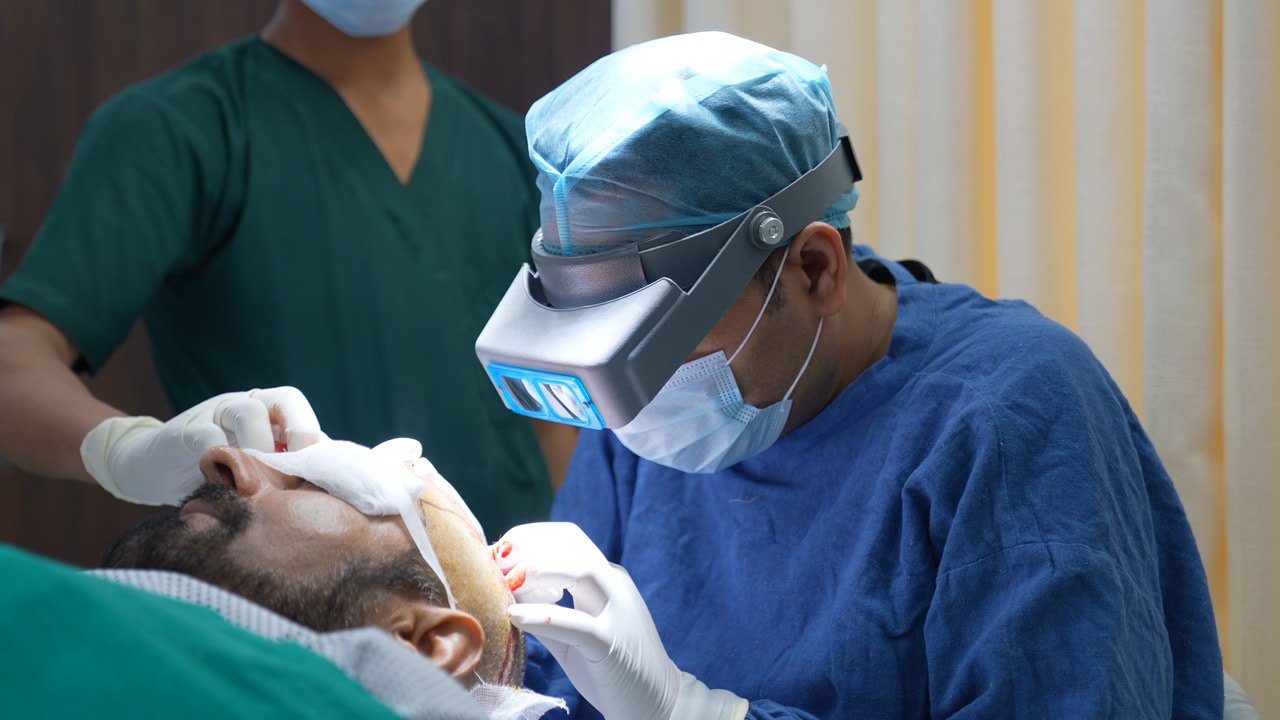
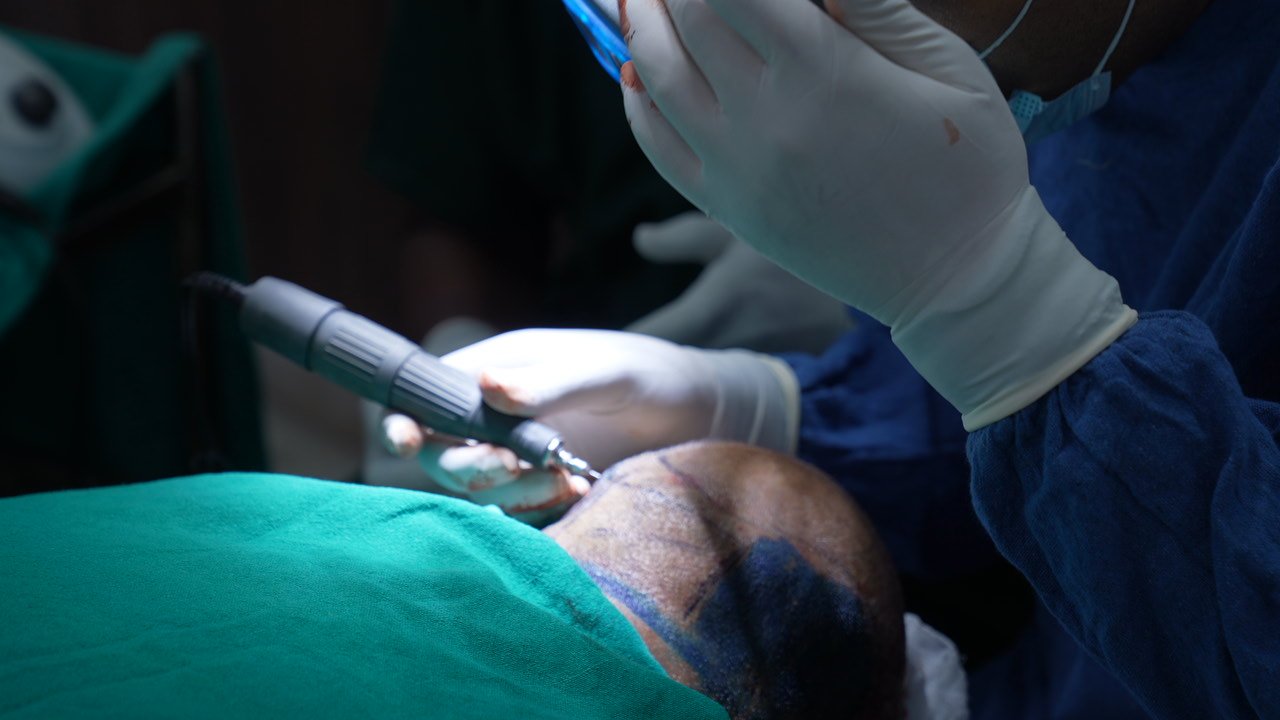
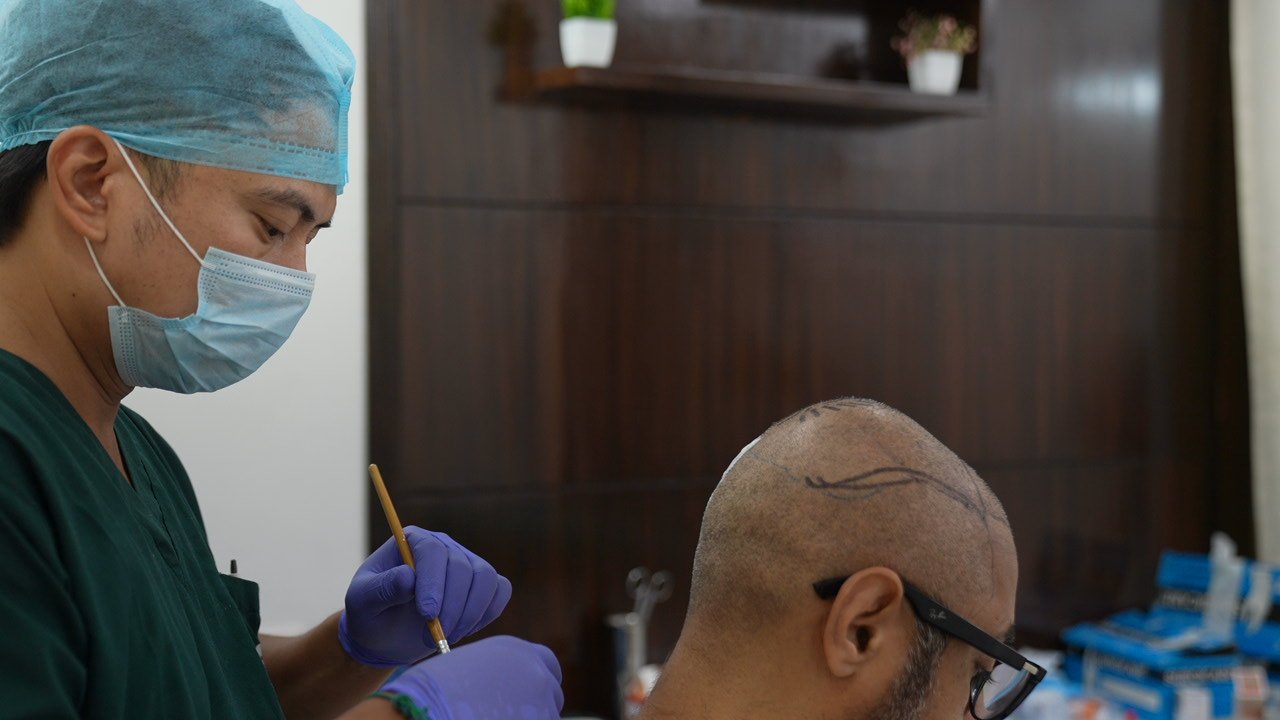
For appropriately selected moderate to advanced cases, follicular units can be extracted from the donor area and implanted into thinning or bald zones using FUE or DHI techniques. Candidacy depends on donor density, hair-loss pattern and long-term planning.
Candidacy assessed based on donor density and pattern
Planned around natural hairline and long-term density
Personalised Plan
Combination Therapy
Many men benefit from combining treatments rather than relying on one option alone. Depending on your Norwood stage, a plan may combine medication for existing hair preservation with PRP or laser support and, where appropriate, a transplant for areas with significant loss.
Built around your specific Norwood stage
Reviewed and adjusted at follow-up visits
How It Works
Our Male Pattern Baldness Treatment Process
Every male pattern baldness treatment in Delhi at Skinfollix follows the same structured process, whether your case needs medication alone, PRP, laser therapy, or a transplant.
Trichoscopy, Norwood-scale staging and a review of your family history and rate of progression establish exactly where your hair loss currently stands.
01
Personalised Treatment Plan
Your dermatologist designs a plan based on your stage, the pace of your hair loss, and your personal goals — whether that's slowing progression, rebuilding density, or a combination approach.
02
Treatment Sessions
Medication, PRP, laser therapy, mesotherapy or a carefully assessed hair transplant procedure are administered according to your plan, under appropriate clinical supervision.
03
Progress Tracking & Long-Term Maintenance
Scheduled follow-ups assess how your hair is responding, allow the plan to be adjusted, and establish a long-term maintenance approach — since male pattern baldness is a lifelong, progressive condition that benefits from ongoing management.
04
Real Results
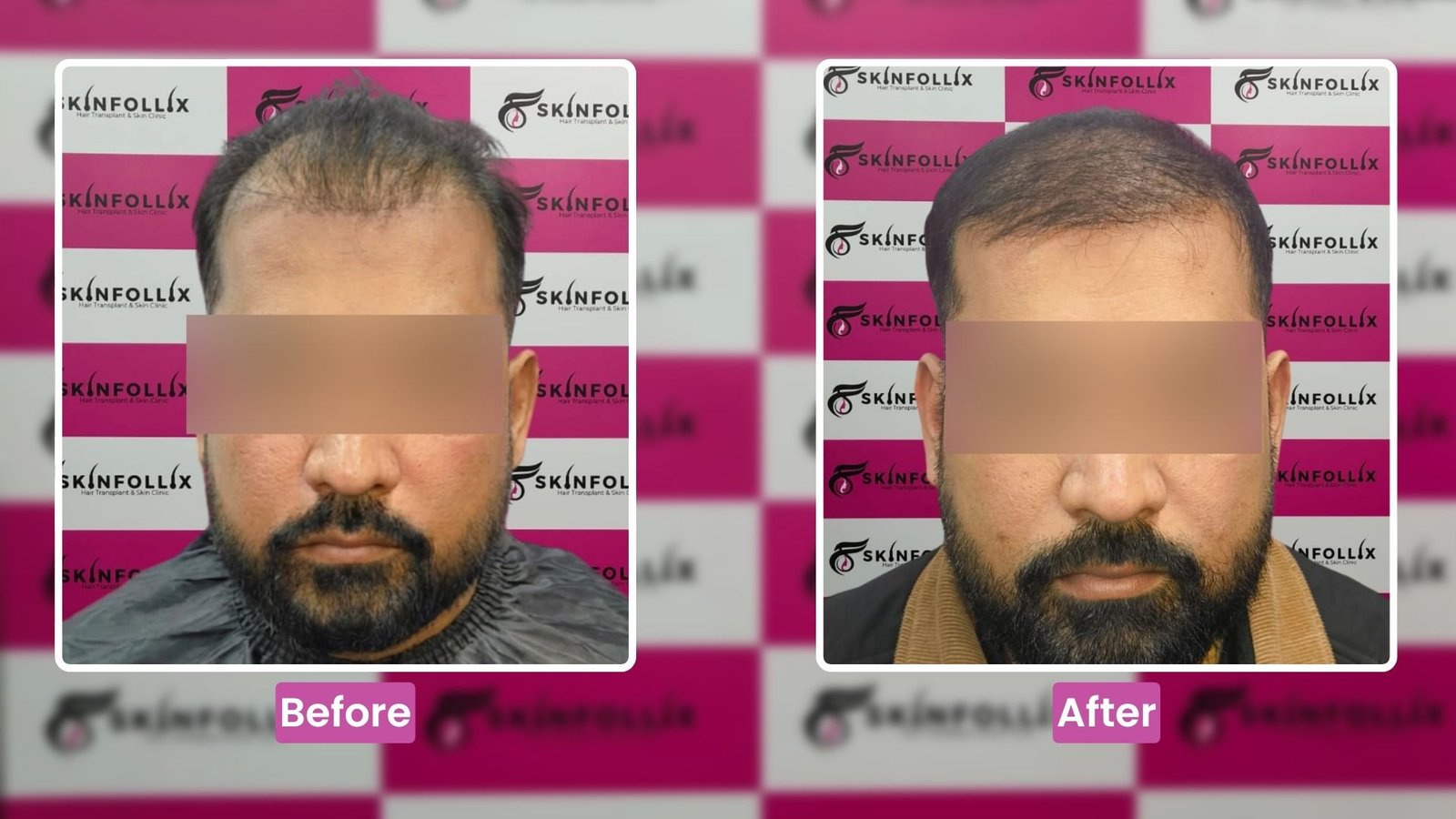
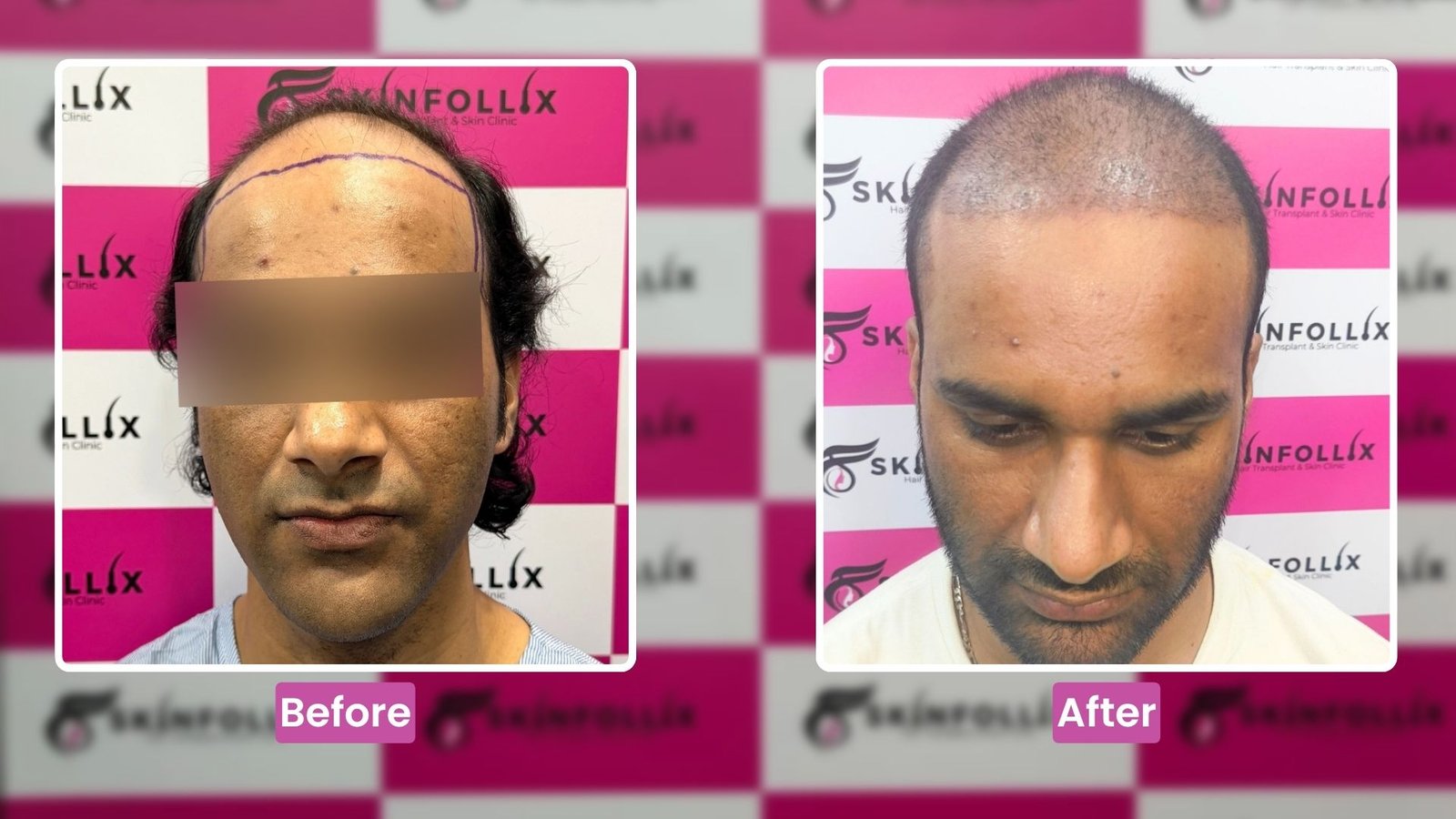
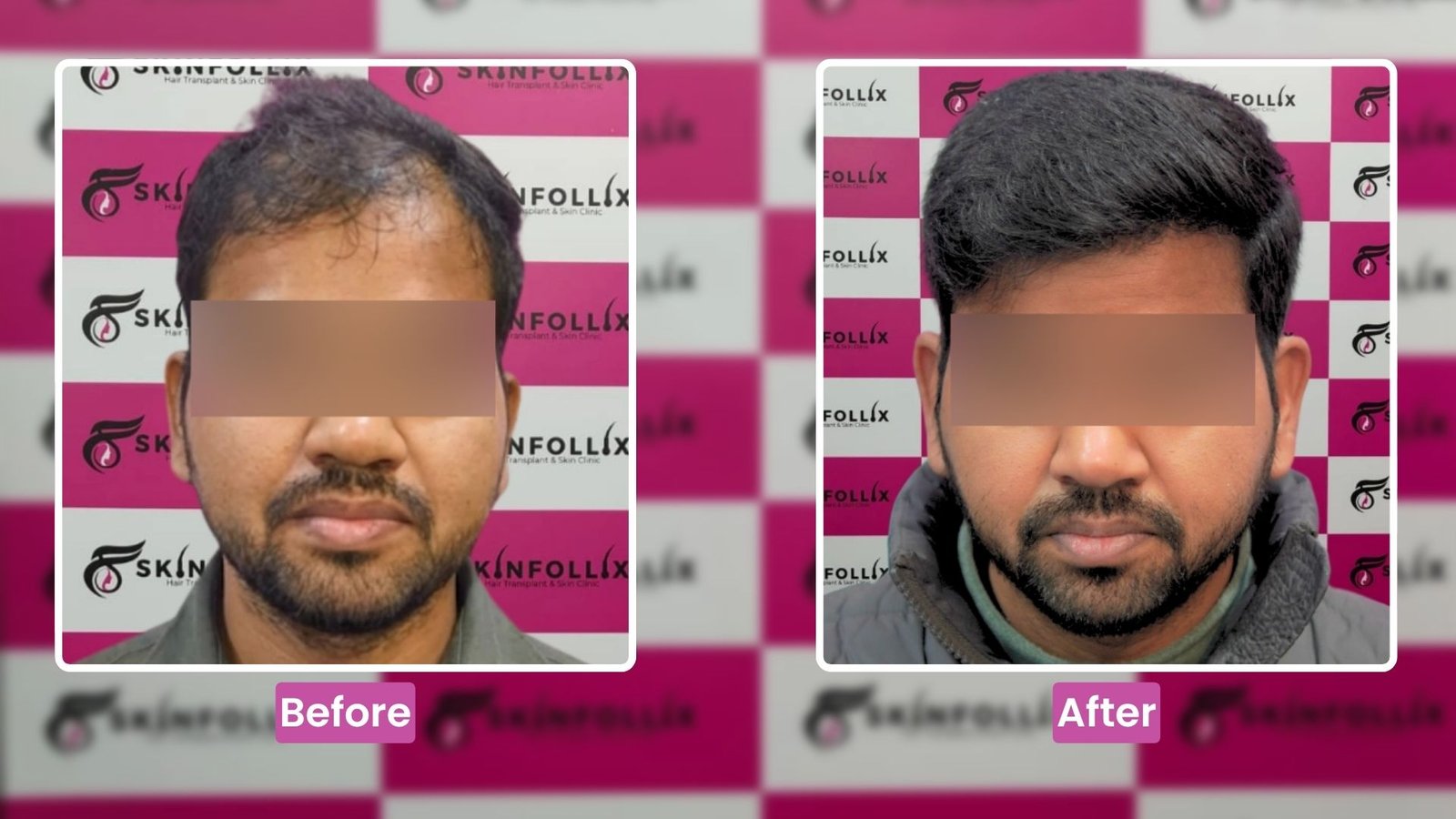
Male Hair Regrowth Before And After Results
Male pattern baldness treatment in Delhi at Skinfollix is built around measurable results, not vague promises. Below are real outcomes from men treated for androgenetic alopecia at different Norwood stages, monitored by our male pattern baldness specialist in Delhi from diagnosis through to results. Individual results vary based on Norwood stage, donor density for transplant cases, treatment selected, and consistency with the prescribed plan.
*Results shown are actual patient outcomes. Individual results may vary based on Norwood stage, treatment selected, donor density and adherence to the recommended plan.
Aftercare Timeline
Recovery Time And Aftercare
Every male pattern baldness treatment in Delhi at Skinfollix comes with a clear aftercare plan. Here's what to expect at each stage, whether you're on medical therapy, PRP, or recovering from a hair transplant.
What To Expect
Mild scalp tenderness after PRP or mesotherapy injections, or mild redness and scabbing at recipient sites after a transplant.
Medical-therapy patients generally have little or no procedural downtime, although your dermatologist's individual instructions take priority.
How To Care
Follow your clinic's washing and scalp-care instructions, particularly during the first few days after PRP, mesotherapy or transplant treatment.
Avoid touching, scratching, vigorous massage or pressure on treated areas unless your dermatologist specifically advises otherwise.
Patient Voices
Real Patient
Success Stories
Genuine feedback from men who chose
male pattern baldness treatment in Delhi
at Skinfollix — diagnosed and treated by an
AIIMS-trained, board-certified dermatologist using
medical therapy, PRP, laser therapy and hair transplant
procedures matched to their Norwood stage.
4.9
Google Rating · 500+ Reviews
Swipe to read more stories
Early Hairline Recession
"I noticed my hairline creeping back in my late twenties and didn't want to wait until it got worse. Starting medication early has genuinely slowed it down — wish I'd come in a year sooner."
Karan Bhatia
Early Male Pattern Baldness Treatment
Crown Thinning
"A friend pointed out a thin patch at my crown in a photo, which I'd never have noticed myself. PRP alongside medication has made a real visible difference over a few months."
Arjun Mehra
Crown Hair Loss Treatment
Hair Transplant
"After years of a receding hairline that medication alone couldn't fully fix, I went ahead with a transplant. The results look completely natural — best decision for my confidence."
Vikram Singh
Hair Transplant For Men
Family History
"Baldness runs strongly in my family, so I came in proactively in my mid-twenties. The doctor explained my Norwood stage honestly instead of pushing unnecessary treatment."
Rohit Malhotra
Preventive Male Pattern Baldness Treatment
Laser Therapy
"I wanted something non-invasive to add to my routine. The laser sessions have helped alongside my regular medication, and there's no downtime at all."
Aman Kapoor
Low-Level Laser Therapy For Men
Combination Therapy
"My hair loss was fairly advanced by the time I came in. The combination of medication and a transplant that was recommended made the most sense once it was explained properly."
The cost of
male pattern baldness treatment in Delhi
depends on your Norwood stage, the treatment recommended,
and — for transplants — the number of grafts needed. The
ranges below are indicative estimates only — your
male pattern baldness dermatologist in Delhi
will confirm the exact treatment price after an in-person
assessment.
Medical Treatment
Medical Therapy (Topical & Oral)
Dermatologist-prescribed topical minoxidil and,
where appropriate, oral medication that addresses
DHT may be recommended based on your diagnosis,
Norwood stage and treatment suitability.
Estimated Range
₹1,500 – ₹5,000
/ month
*Consultation + medication; exact cost confirmed after diagnosis.
Best suited to early-stage hairline recession or crown thinning
Ongoing monthly cost while therapy is continued
Often considered before procedural treatment
Most Commonly Chosen
PRP / Mesotherapy / Laser Sessions
Supportive in-clinic therapies may be recommended
for selected men with early-to-moderate thinning,
often alongside medical therapy depending on the
diagnosis and treatment goals.
Estimated Range
₹4,000 – ₹12,000
/ session
*Exact cost confirmed only after in-person diagnosis.
Suited to selected early-to-moderate thinning cases
Minimal downtime for most sessions
Usually recommended as a course when appropriate
Surgical Option
Hair Transplant (FUE / DHI)
For appropriately selected moderate-to-advanced
cases, follicular units can be extracted from the
donor area and placed into thinning zones using
FUE or DHI technique.
Estimated Range
₹50 – ₹100
/ graft
*Approximate range; exact cost confirmed after assessment.
Priced per graft based on the area and density required
Candidacy assessed based on donor density and hair-loss pattern
Generally considered for moderate-to-advanced Norwood stages
Note:
The figures above are broad, indicative estimates for
general reference only — not a quote, invoice or approved
price list. Your final
male pattern baldness treatment cost in Delhi
is determined after an in-person Norwood-stage diagnosis
with our dermatologist, based on the treatment selected
and the sessions or grafts required.
AIIMS-Trained
MD Dermatology · New Delhi
Your Male Pattern Baldness Specialist
Meet Your Dermatologist
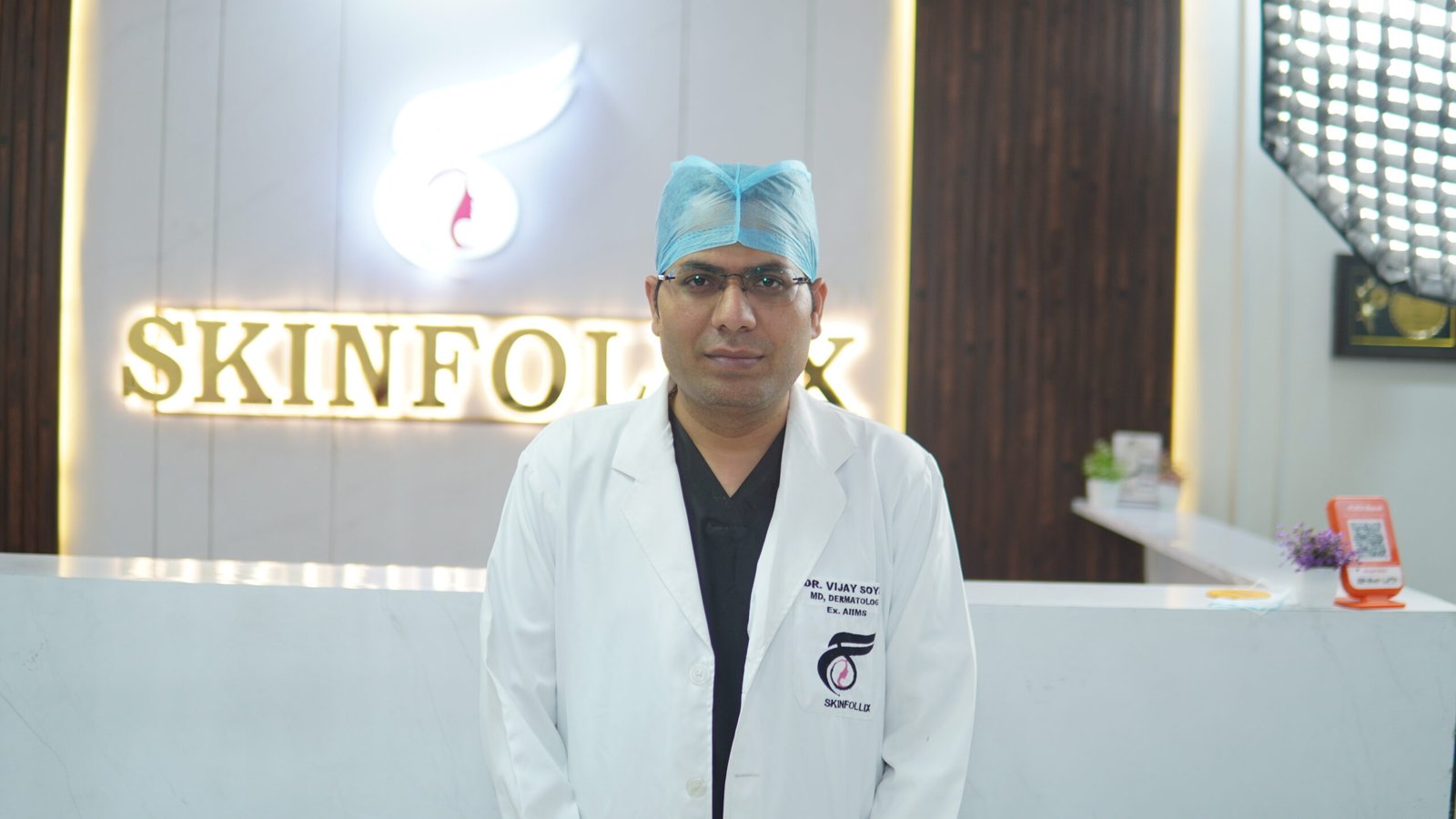
Dr. Vijay Soyal, MD · AIIMS-Trained, Board-Certified Dermatologist
MD Dermatology
AIIMS, New Delhi
15+ Years
Treating Male Pattern Baldness & Androgenetic Alopecia
3,000+ Men Treated
For Hair Loss Across Delhi NCR
Every
male pattern baldness treatment in Delhi
at Skinfollix begins with an honest Norwood-scale assessment
of your hairline, crown and overall density, along with your
family history and how quickly your hair loss has progressed.
Dr. Vijay Soyal is an AIIMS-trained, board-certified
dermatologist with over 15 years of clinical experience
treating androgenetic alopecia in men, from early receding
hairlines to advanced pattern baldness requiring a transplant.
As a
male pattern baldness doctor in Delhi,
he doesn't default to a single treatment — depending on your
stage and goals, your plan may involve medical therapy alone,
PRP or laser support, or a carefully assessed hair transplant,
with candidacy for surgery evaluated on donor density and
realistic long-term density goals rather than what's easiest
to sell. This is the kind of considered, stage-appropriate
care men look for when searching for the
best doctor for male pattern baldness in Delhi:
treatment built around where your hair loss actually is, not
a generic program.
Everything men ask before booking male pattern baldness treatment in Delhi — from diagnosis and cost to medication, PRP and transplant.
Visit Us
Male Pattern Baldness Treatment In Delhi — Visit Our Clinic
Conveniently located in Paschim Vihar, Delhi NCR — visit Skinfollix for a consultation with our male pattern baldness specialist to discuss diagnosis, medical therapy, PRP or a personalised hair transplant plan. Easy to find for anyone searching for a male pattern baldness specialist near me.