-
Hair
Hair LossHair Treatments
-
Skin
Acne & ScarsPigmentationSkin ConcernsSkin Diseases & Growths
- Anti-Ageing
-
Laser
Laser Hair RemovalLaser Skin Rejuvenation
- Hair Transplant
- Result Gallery
- About Us
Hair Transplant In Delhi
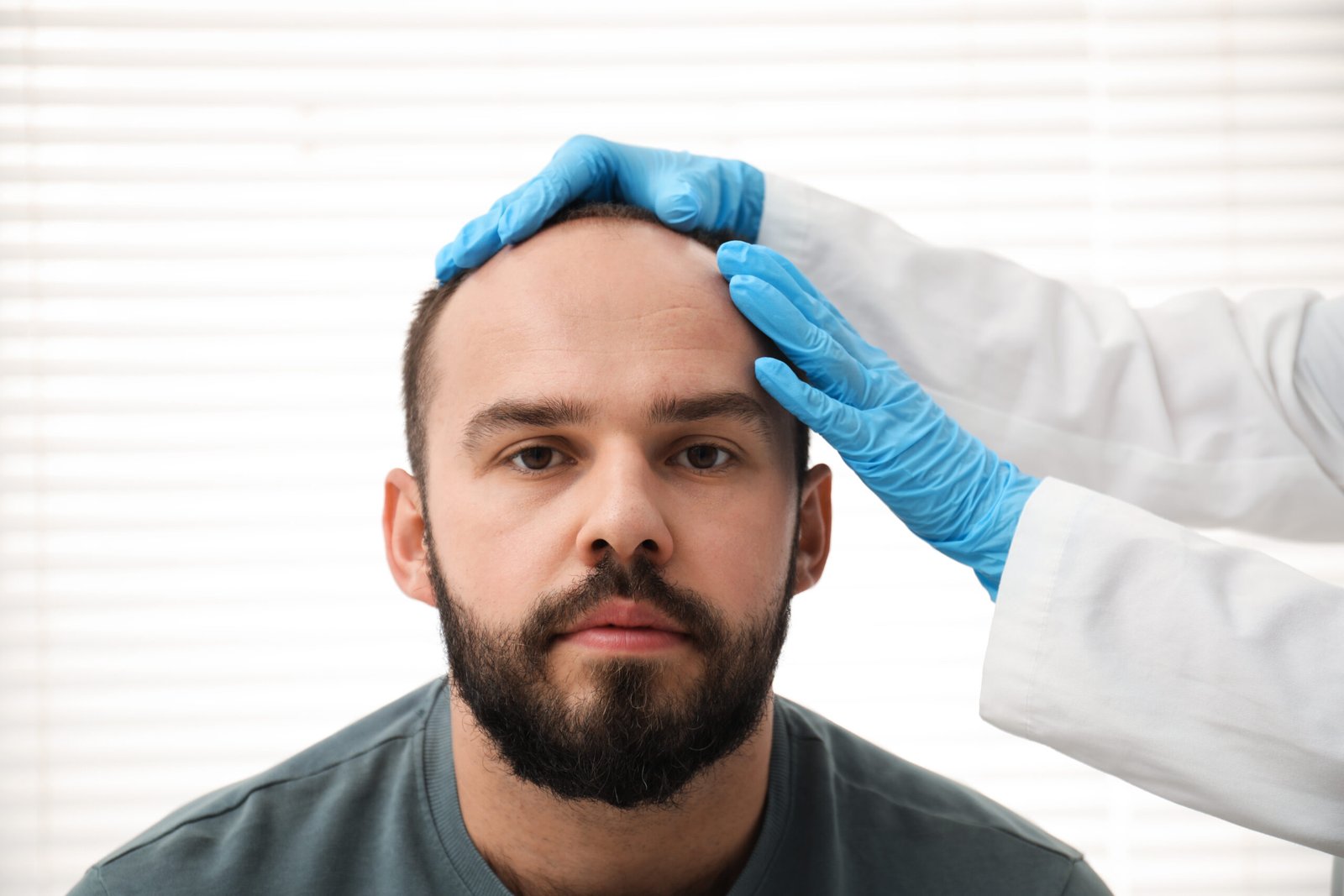
If you're losing hair at the crown, temples or hairline and want a permanent fix rather than another bottle of serum, hair transplant in Delhi at Skinfollix starts with an honest evaluation, not a sales pitch for the most expensive package. As a dedicated hair transplant clinic in Delhi, we don't push the same technique on every patient. Our AIIMS-trained, board-certified hair transplant surgeon in Delhi examines your donor density, scalp laxity and pattern of hair loss before recommending FUE hair transplant in Delhi, DHI hair transplant in Delhi, or a combination approach, always using FDA-approved instruments built for minimal scarring and a natural-looking hairline. This page walks through how each technique works, what the recovery actually looks like, and what to expect from grafts, cost and results — for both hair transplant for men in Delhi and hair transplant for women in Delhi.
Find The Right Hair Transplant Plan For You
Tell us about your hair loss and goals — our hair transplant surgeon in Delhi will review your case and recommend the right technique for you.
Hair Transplant & Hair Restoration Treatments In Delhi
From FUE and DHI hair transplant to non-surgical PRP therapy, Skinfollix offers a complete range of hair transplant and hair restoration treatments in Delhi, under one roof.
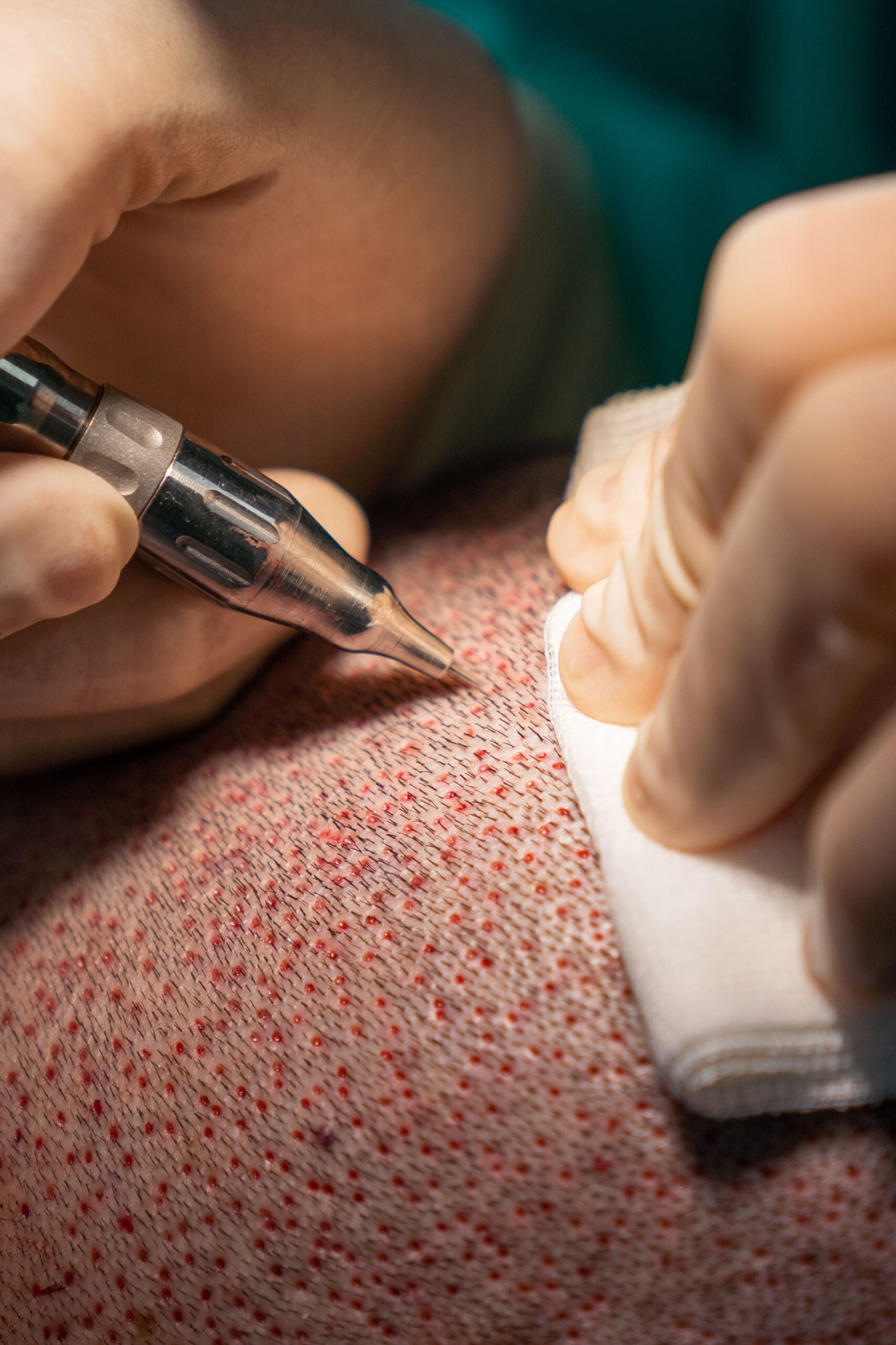
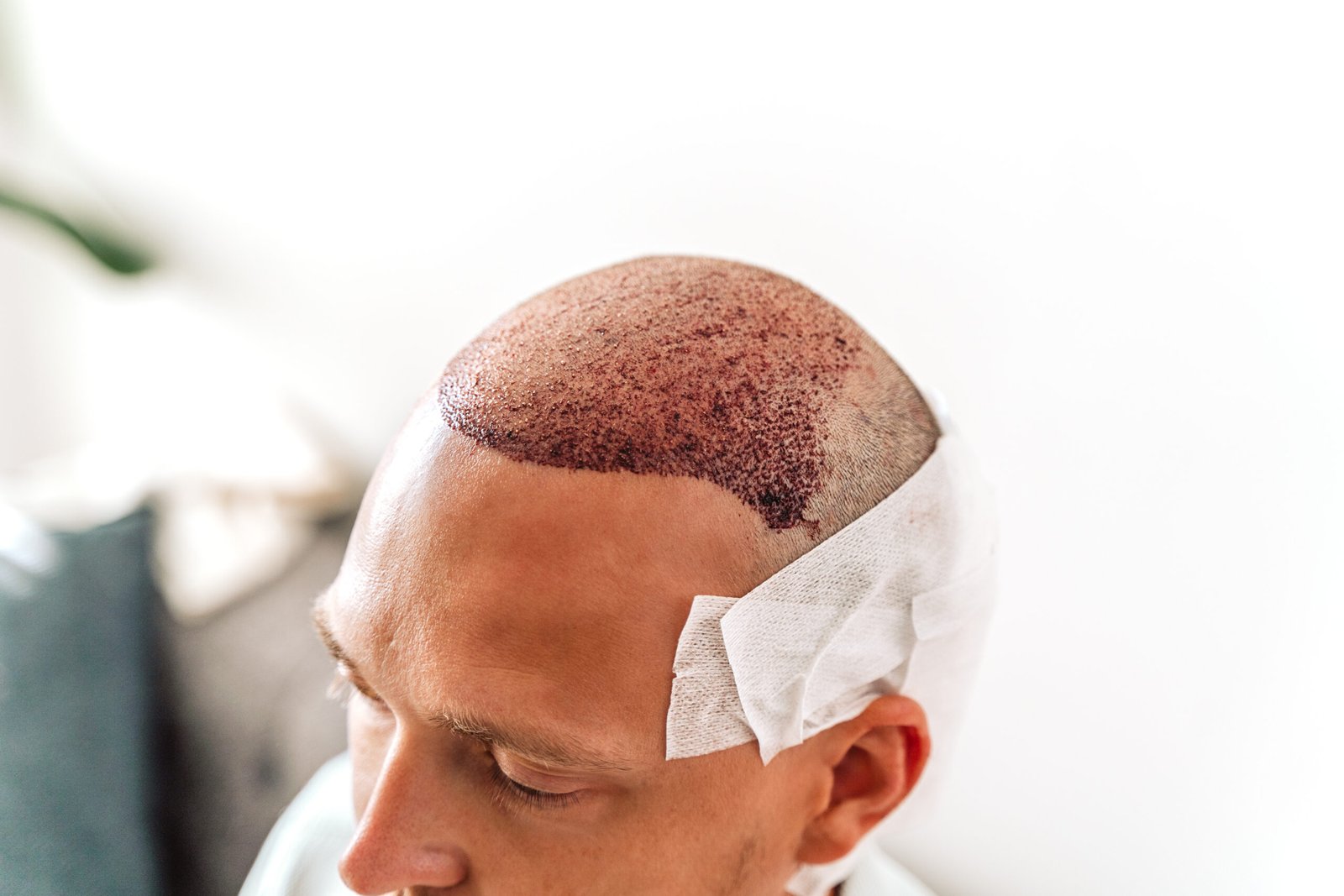
FUE Hair Transplant
Follicular unit extraction for a scarless, natural-looking hairline with quick recovery.
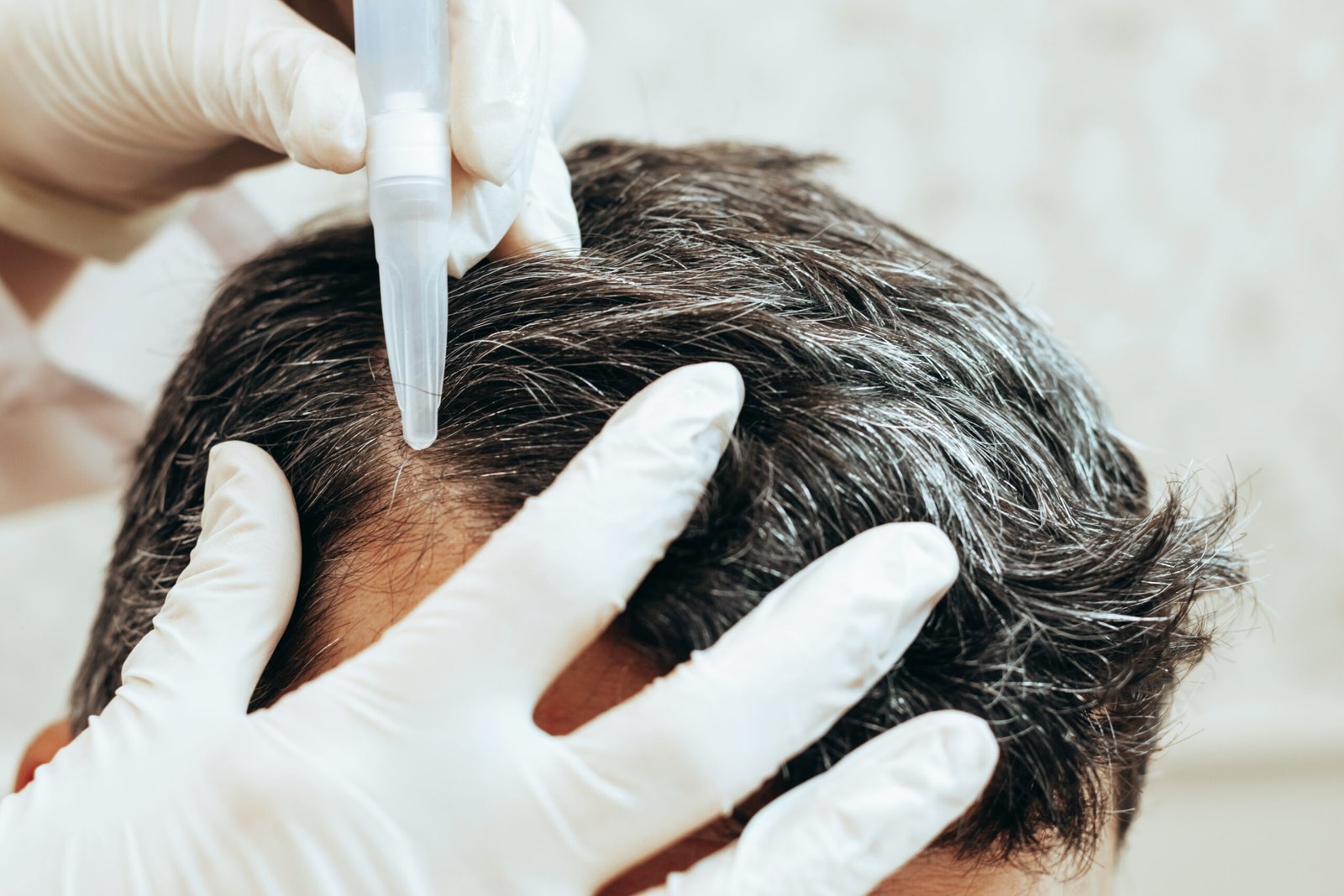
DHI Hair Transplant
Direct hair implantation for higher graft density and precise, natural placement.
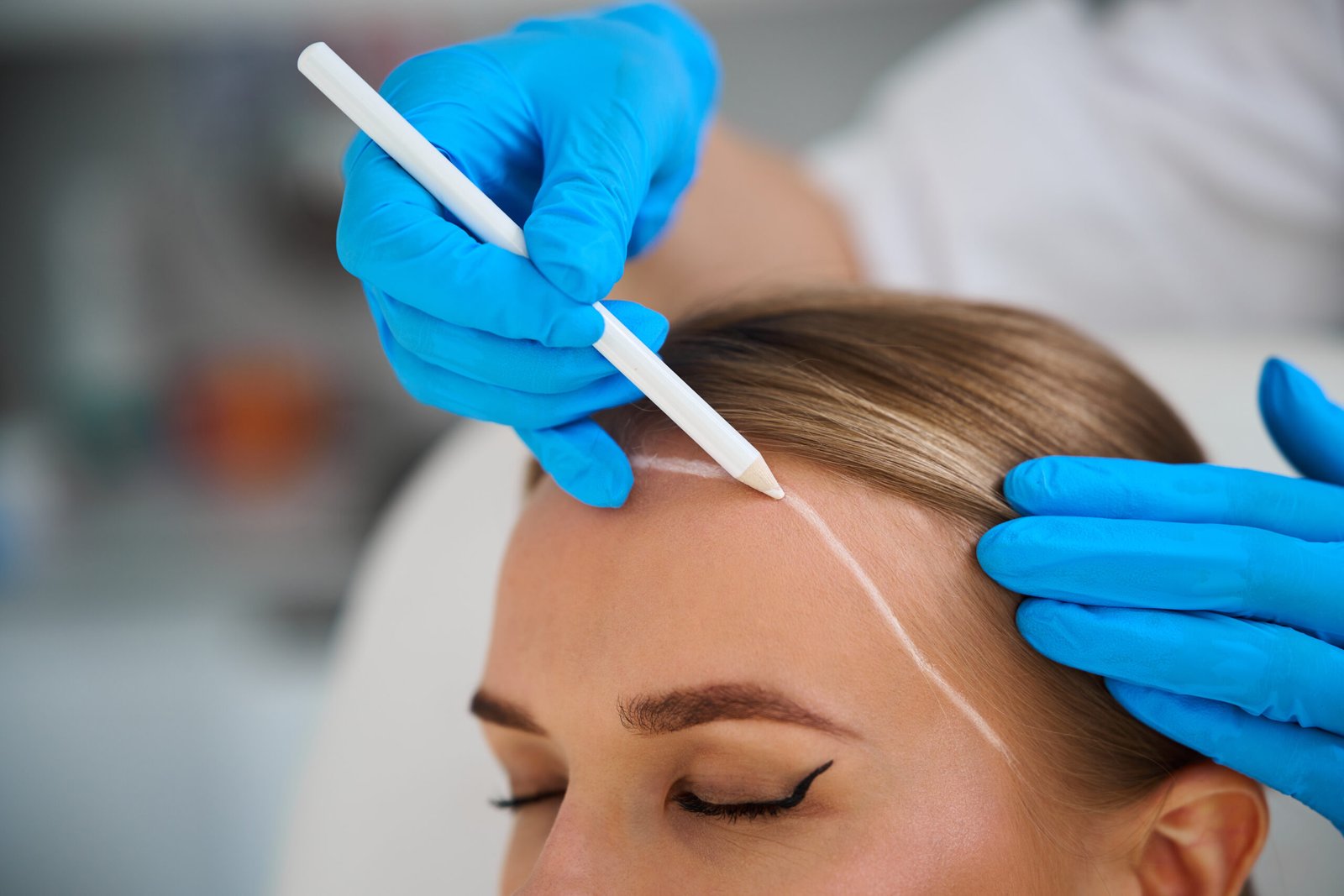
FUT Hair Transplant
Strip harvesting technique suited to large sessions needing maximum graft yield.
Long-Hair FUE Transplant
Transplant performed with existing hair length intact, showing results the same day.
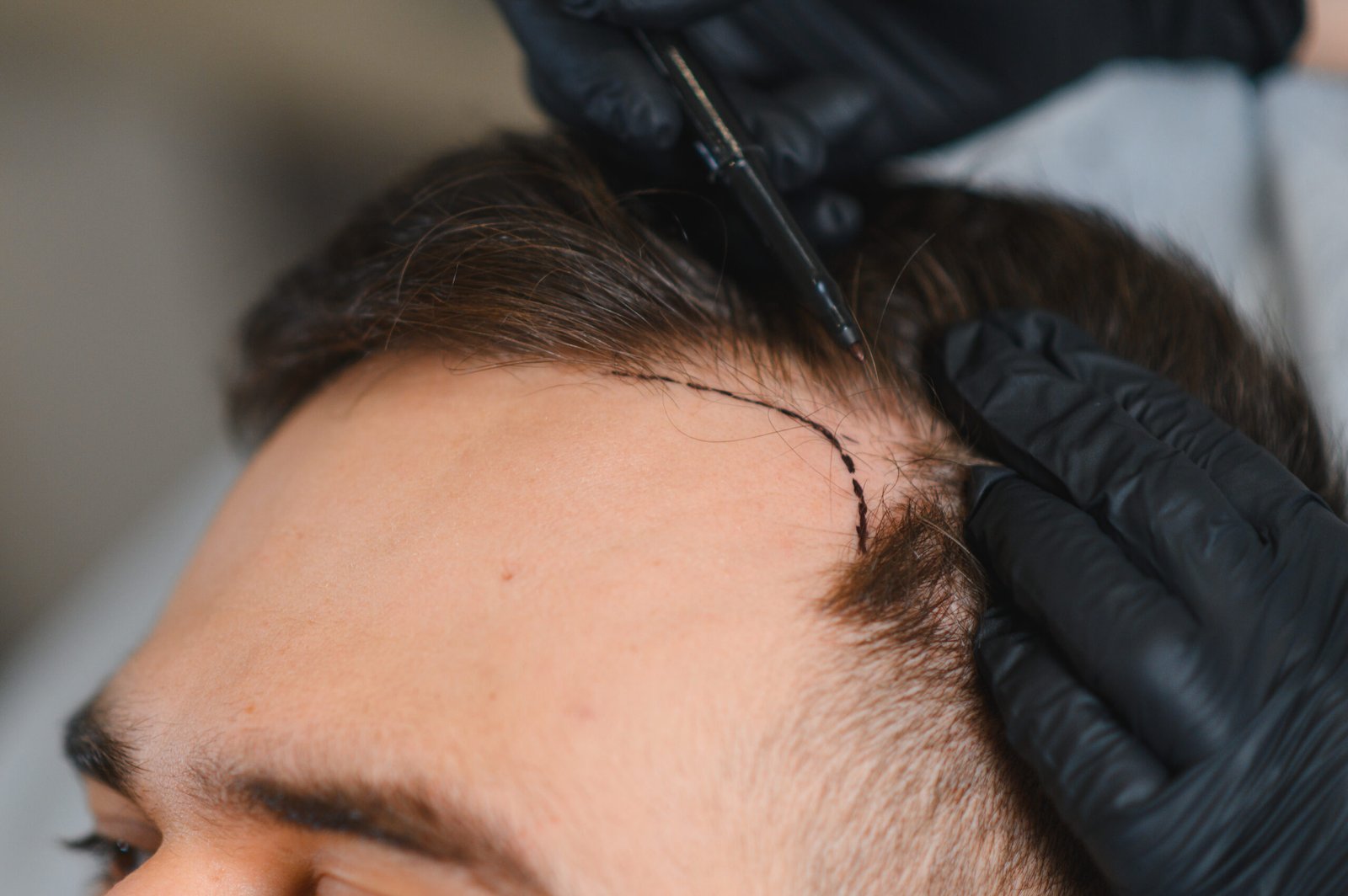
Hairline Reconstruction
Redesigning a receded or unnatural hairline for age-appropriate, natural framing.
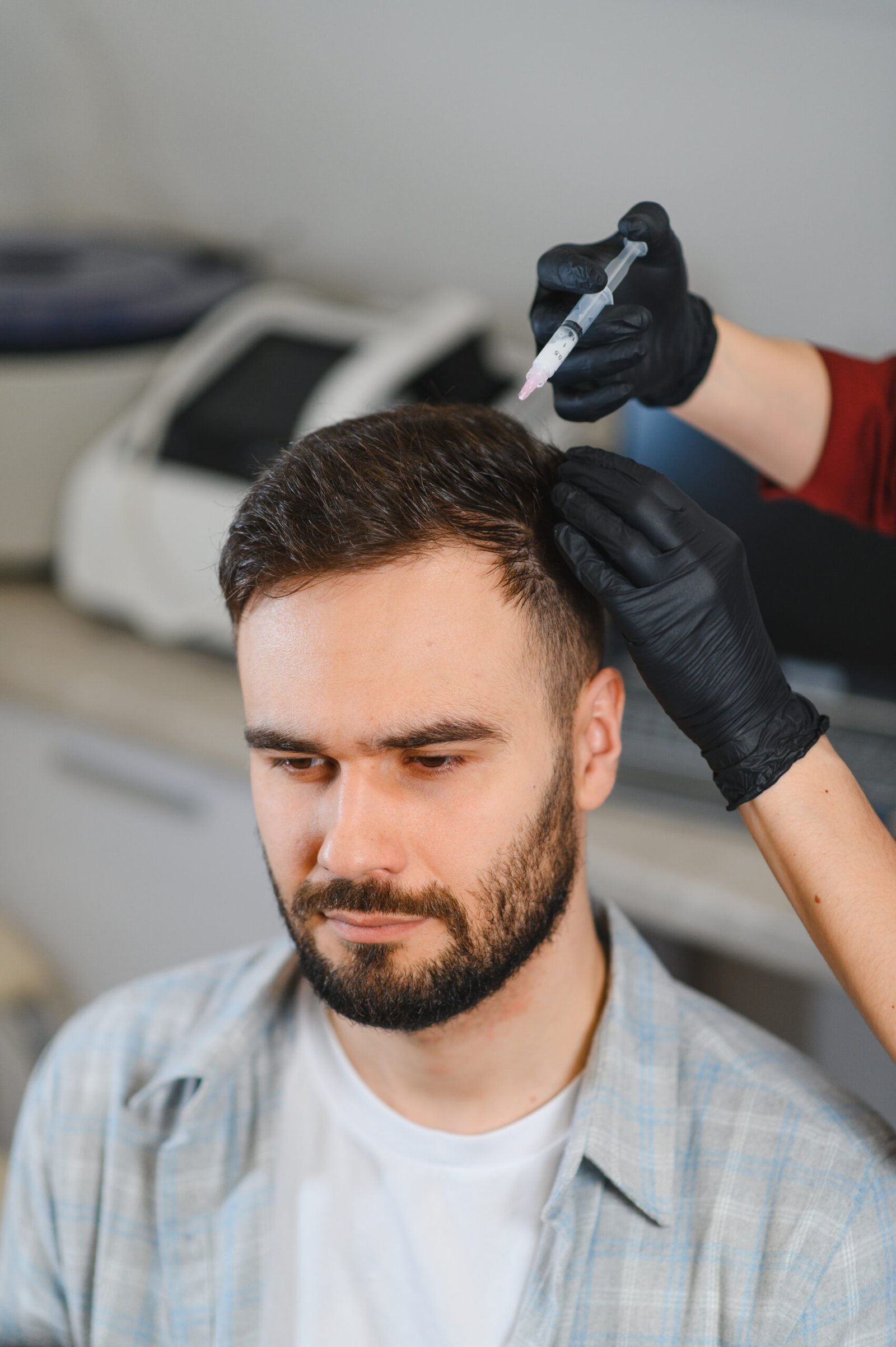
Crown Hair Transplant
Targeted grafting to rebuild density at the vertex and crown region.
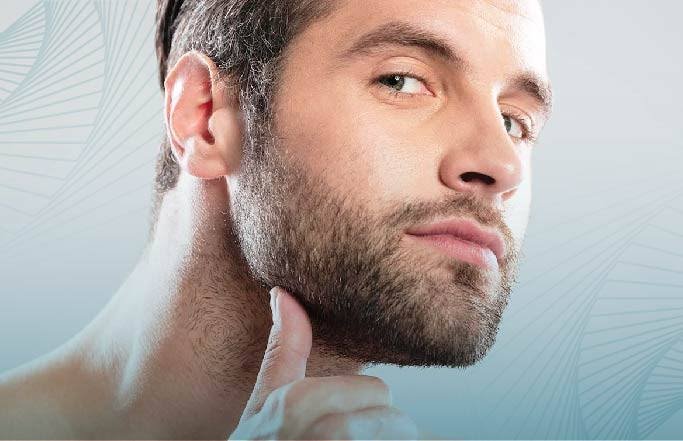
Beard Transplant
Follicle grafting for fuller, evenly distributed beard growth and coverage.
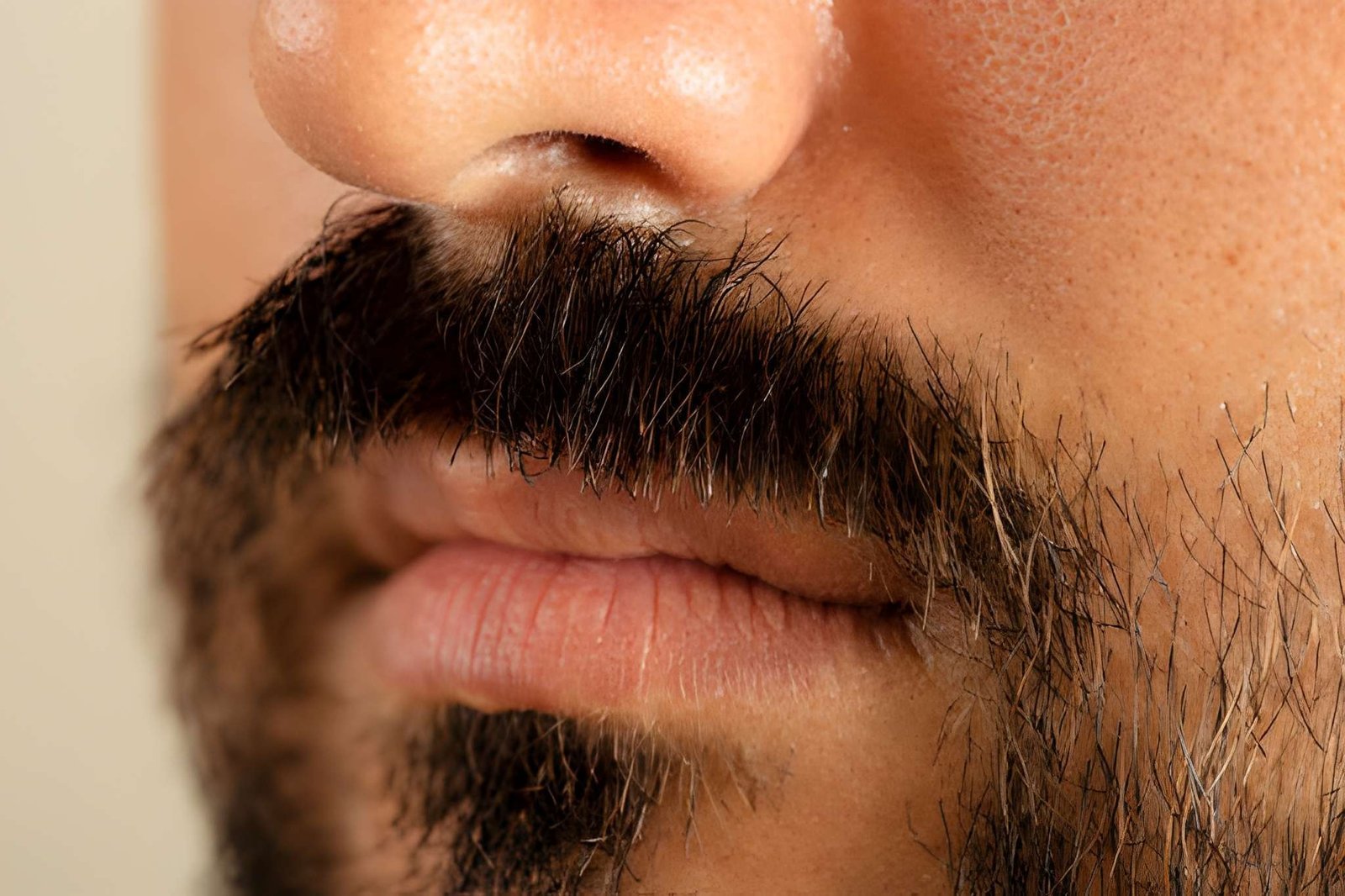
Moustache Transplant
Precision grafting to build a fuller, more symmetrical moustache line.
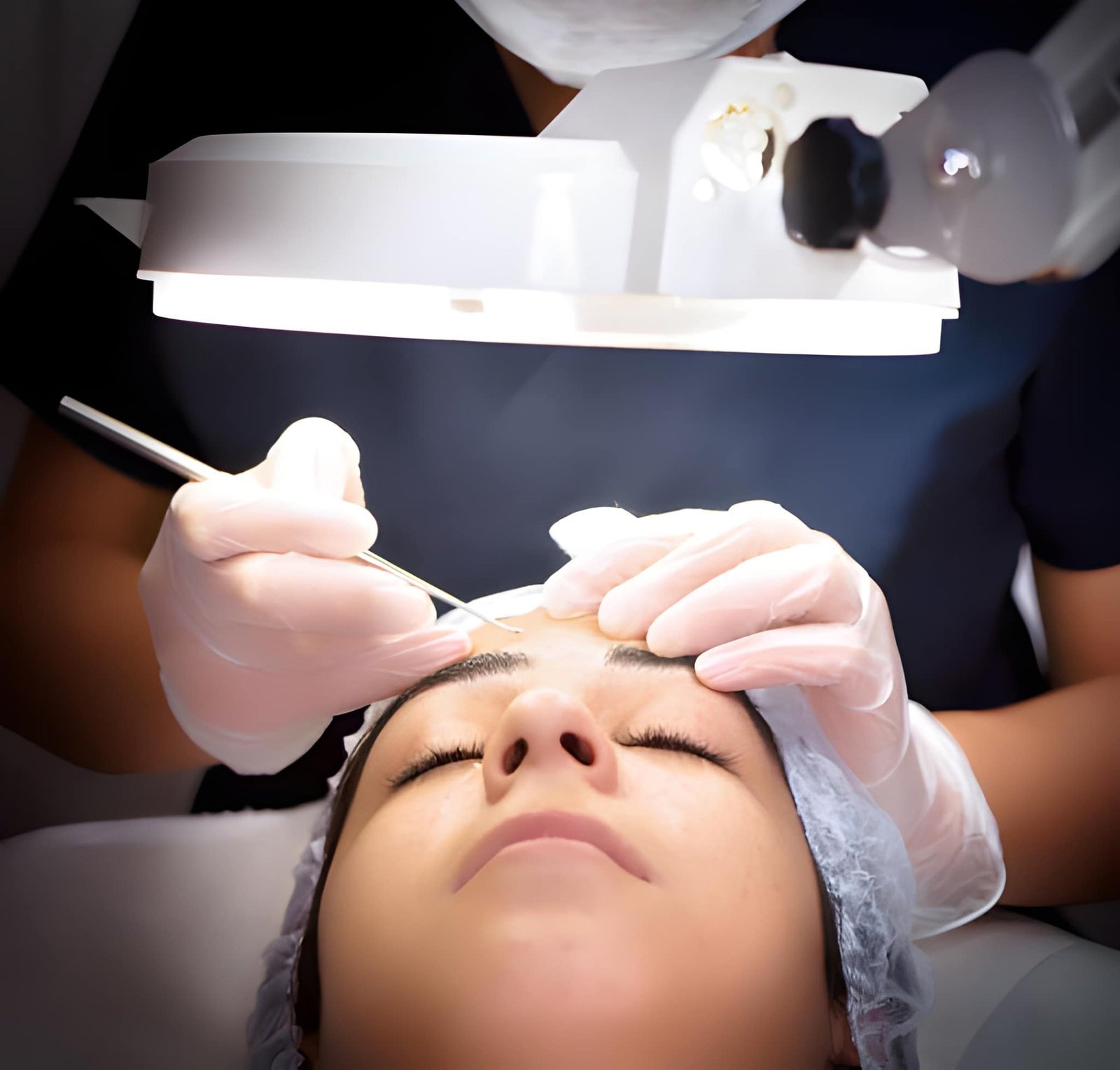
Eyebrow Transplant
Restoring thin or sparse eyebrows with natural-growing, permanent hair follicles.
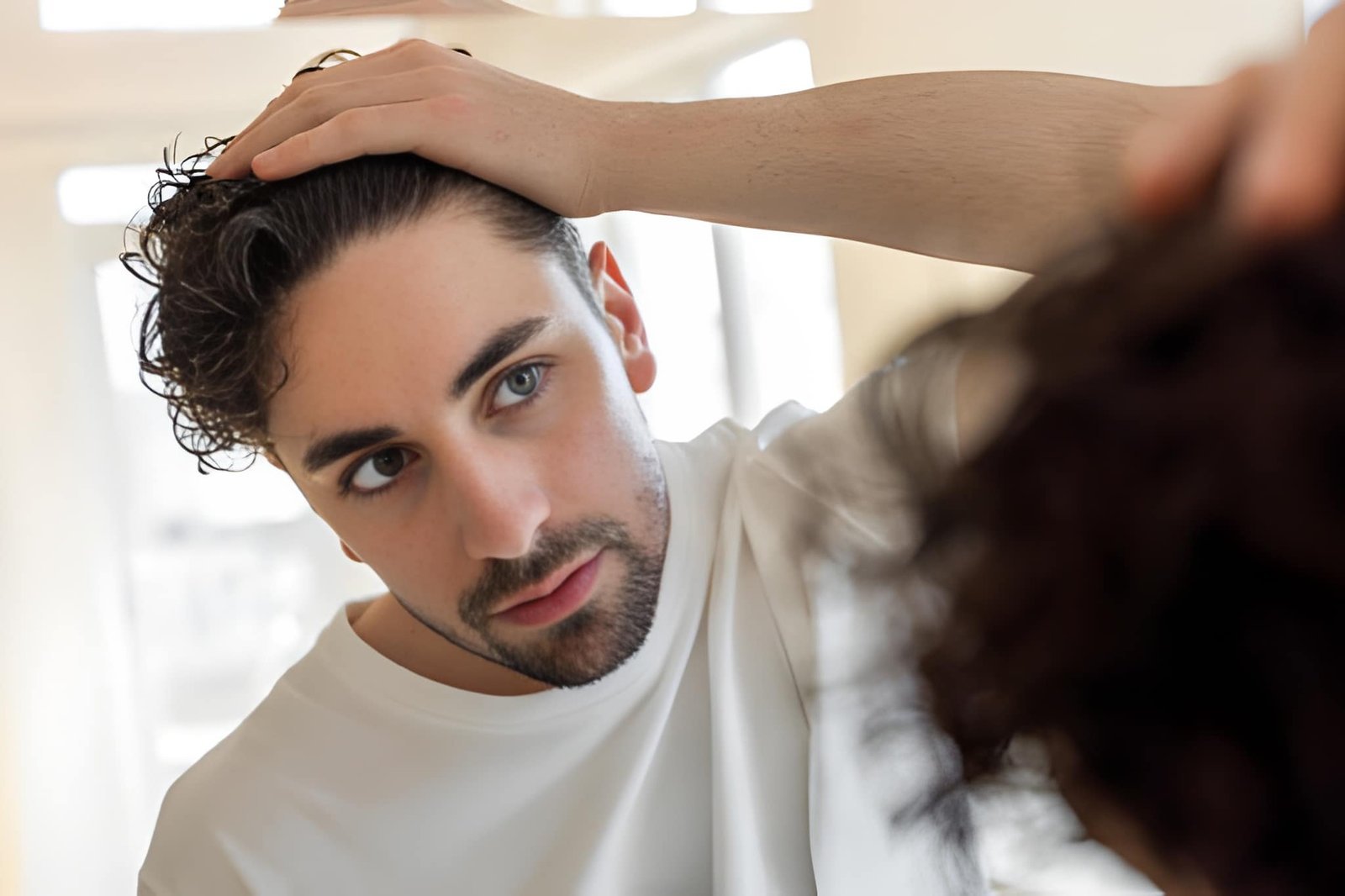
Sideburn Transplant
Grafting to connect or thicken sideburns for a balanced facial profile.
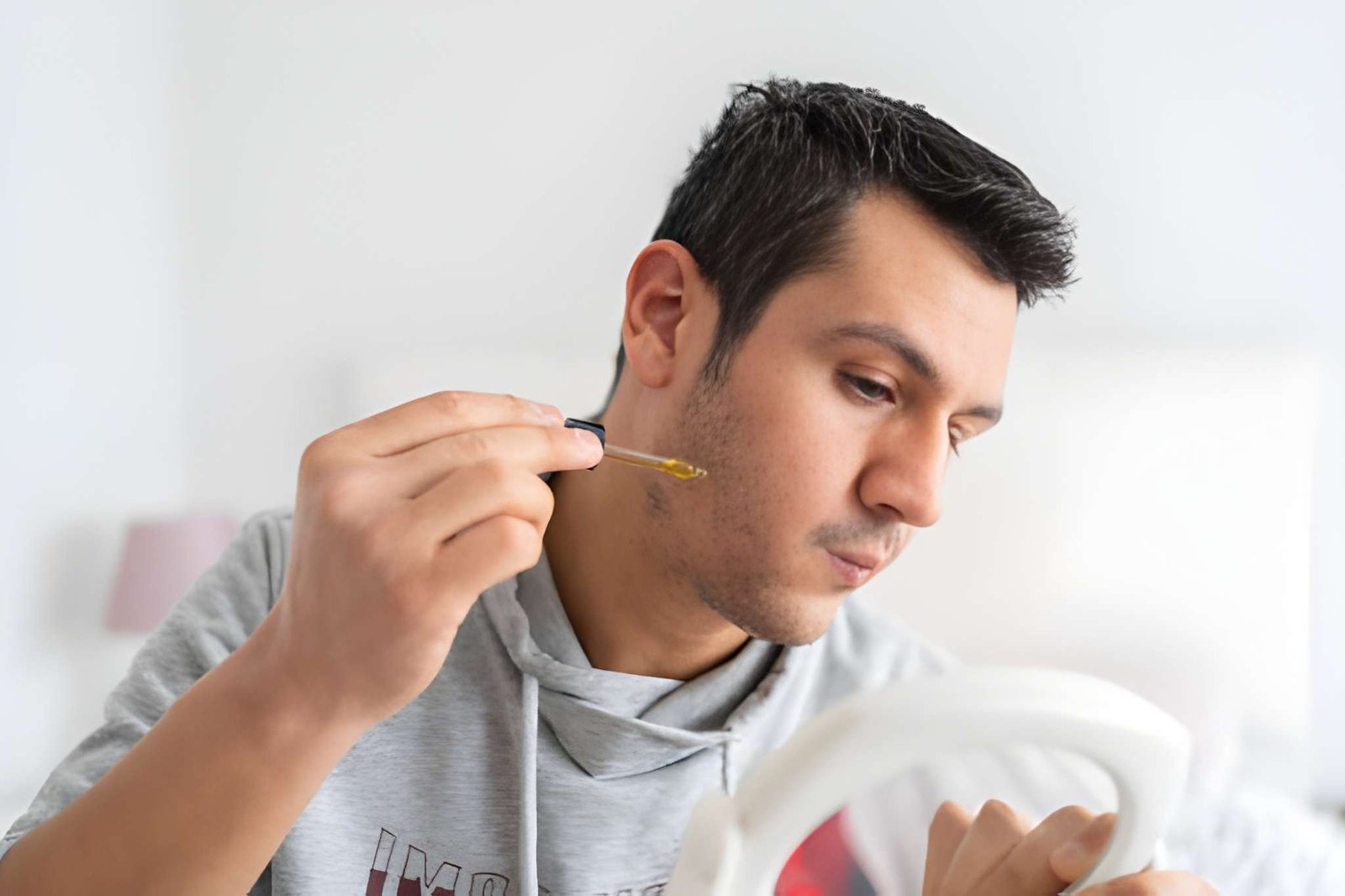
Facial Hair Restoration
Comprehensive facial hair grafting for patchy or under-developed growth areas.
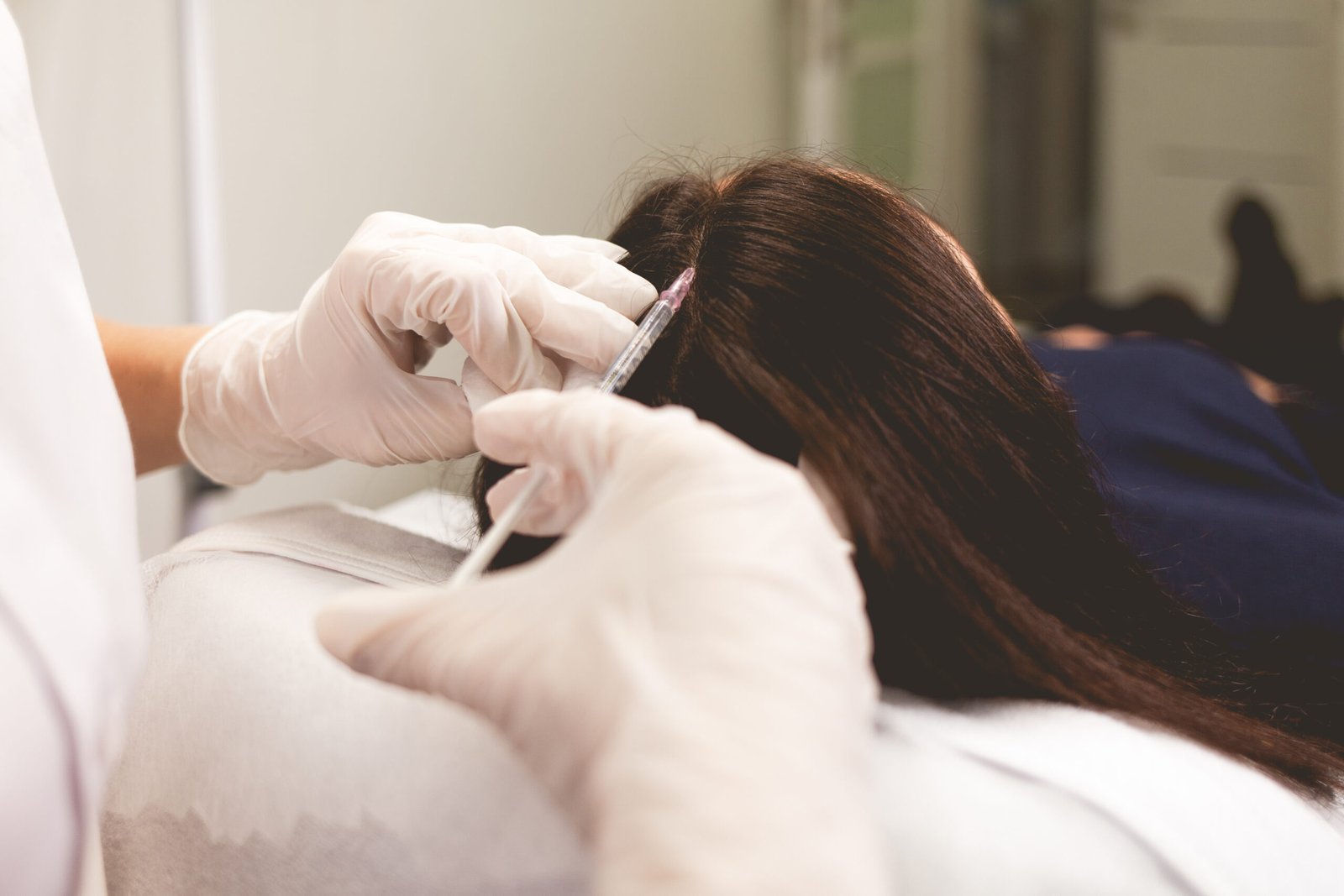
PRP Hair Treatment
Platelet-rich plasma injections using your own blood to stimulate weaker follicles.
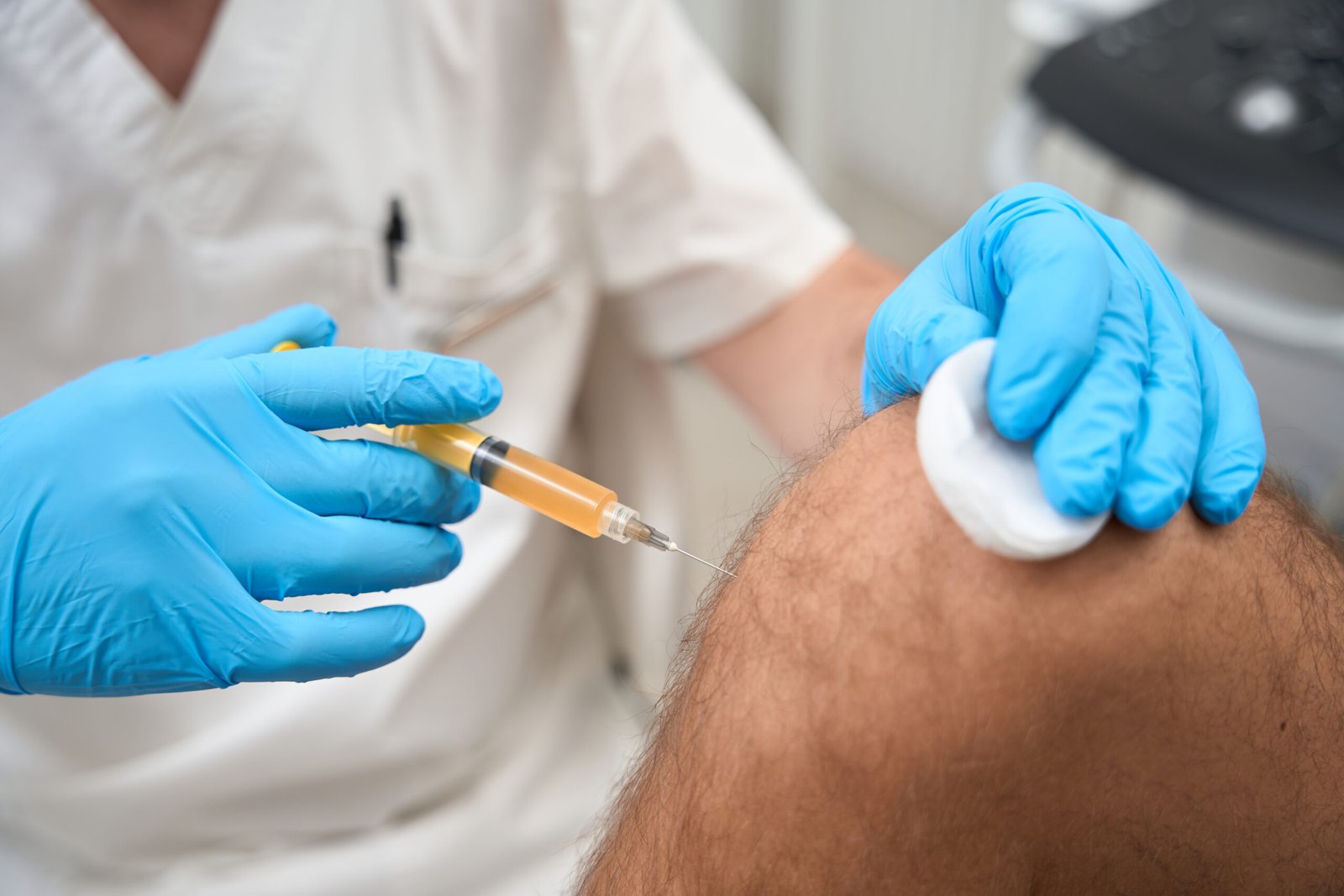
GFC Hair Treatment
Growth Factor Concentrate therapy for accelerated, natural-looking hair regrowth.
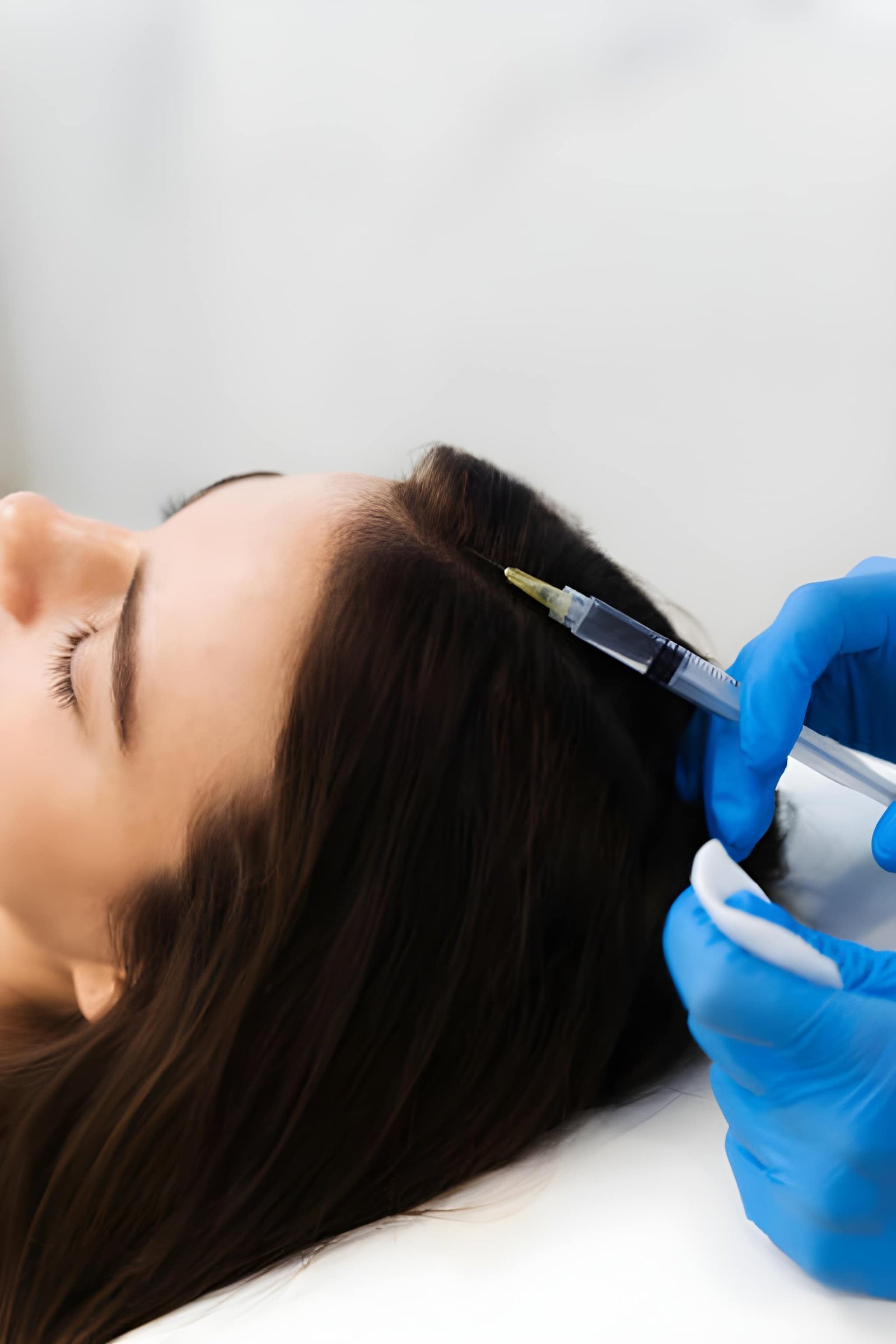
Exosome Hair Treatment
Regenerative exosome therapy to support follicle repair and improve hair density.
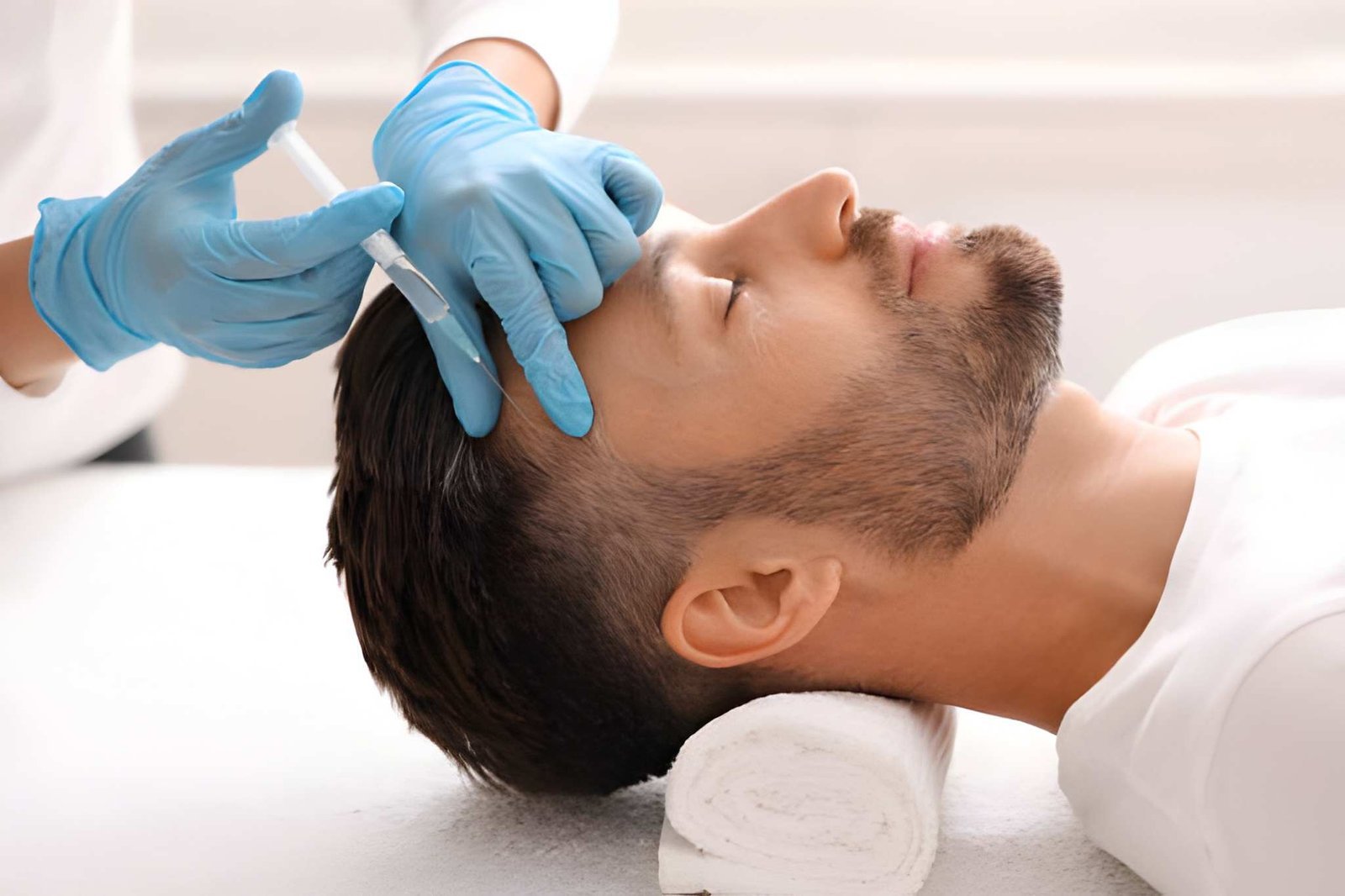
Mesotherapy For Hair Loss
Micro-injected nutrients delivered directly to the scalp to nourish weak follicles.
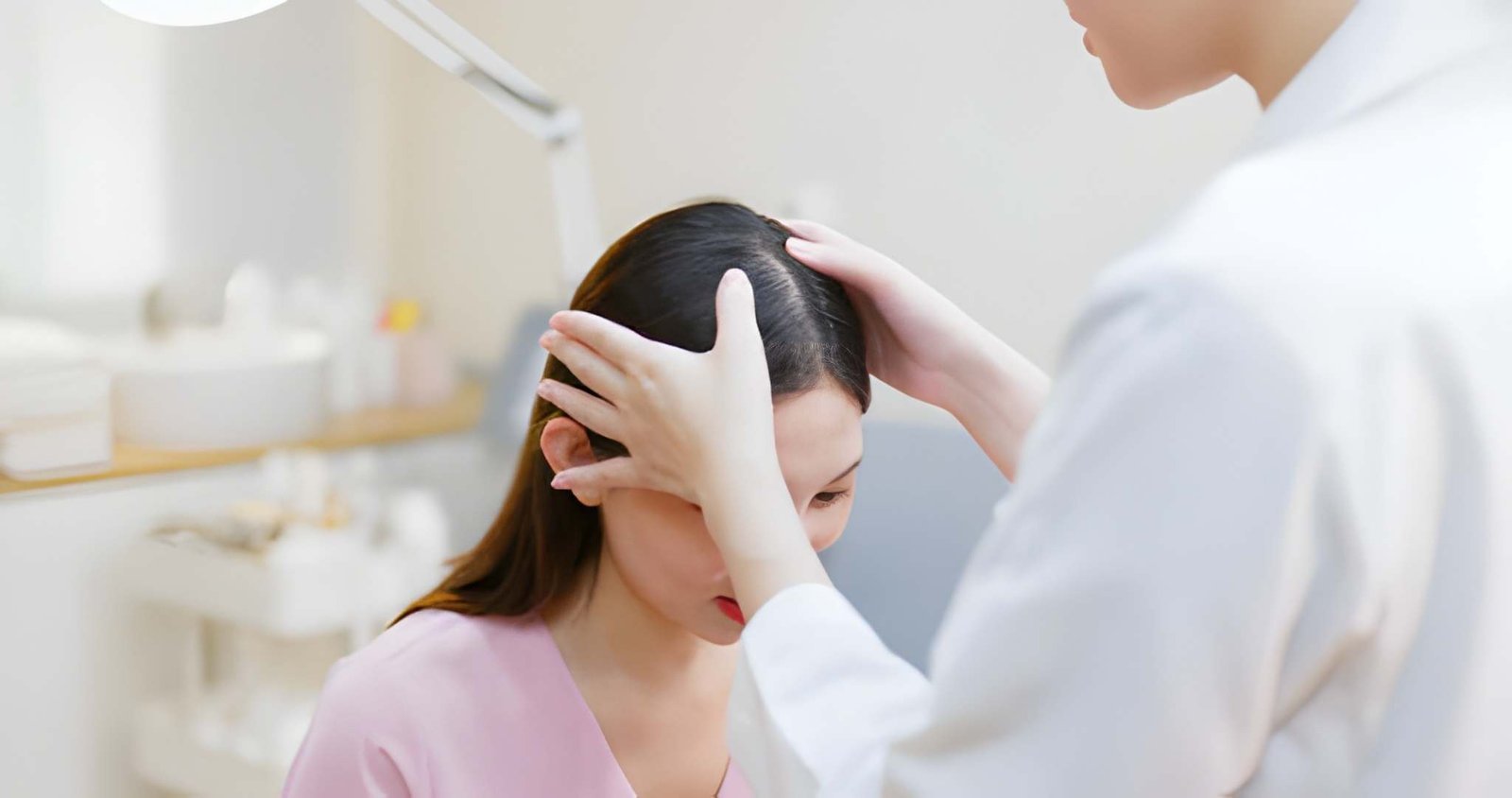
Medical Hair Loss Treatment
Doctor-prescribed medication protocols to slow and manage progressive hair loss.
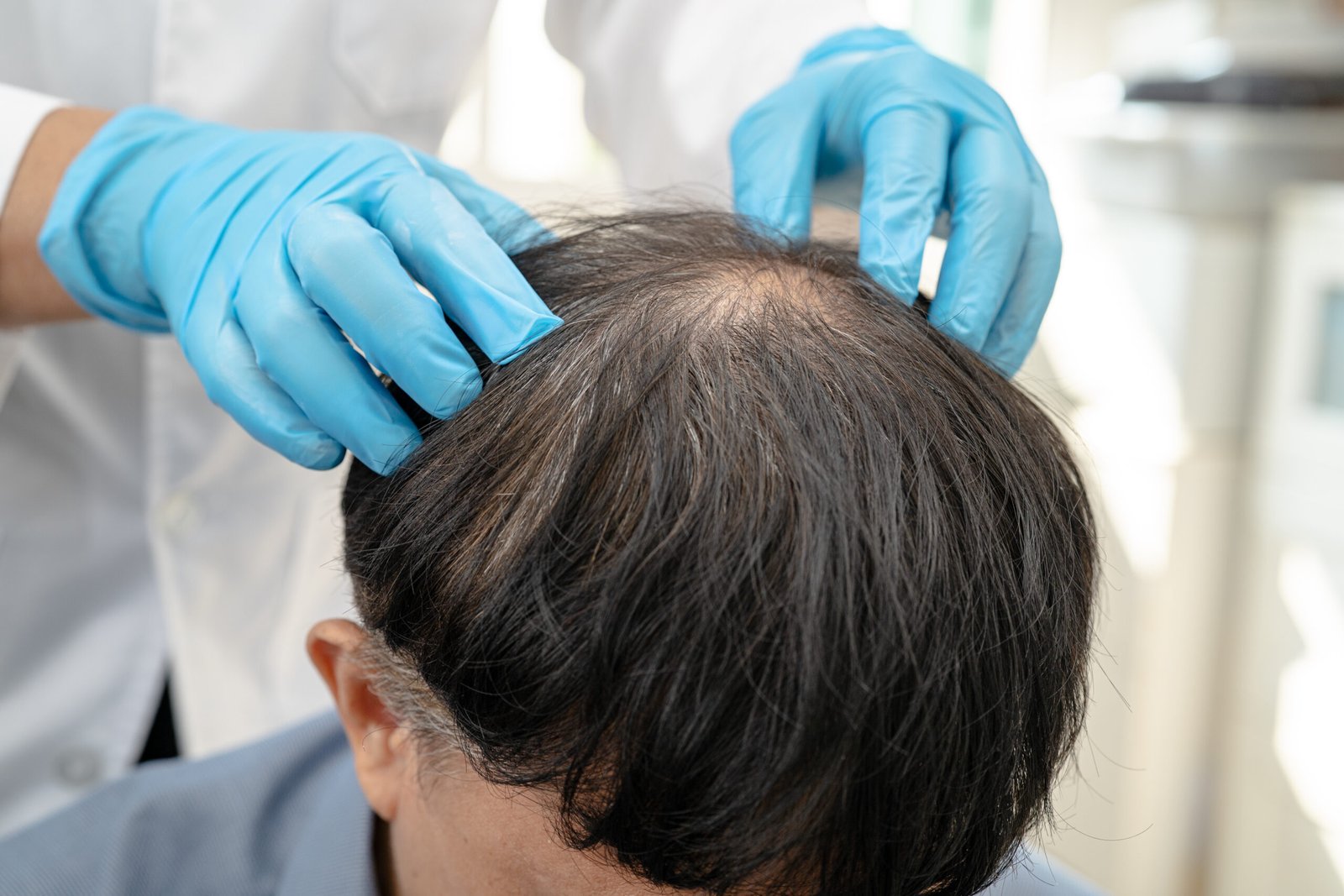
Scalp Treatment
Medical scalp therapy addressing dandruff, itching and underlying scalp conditions.
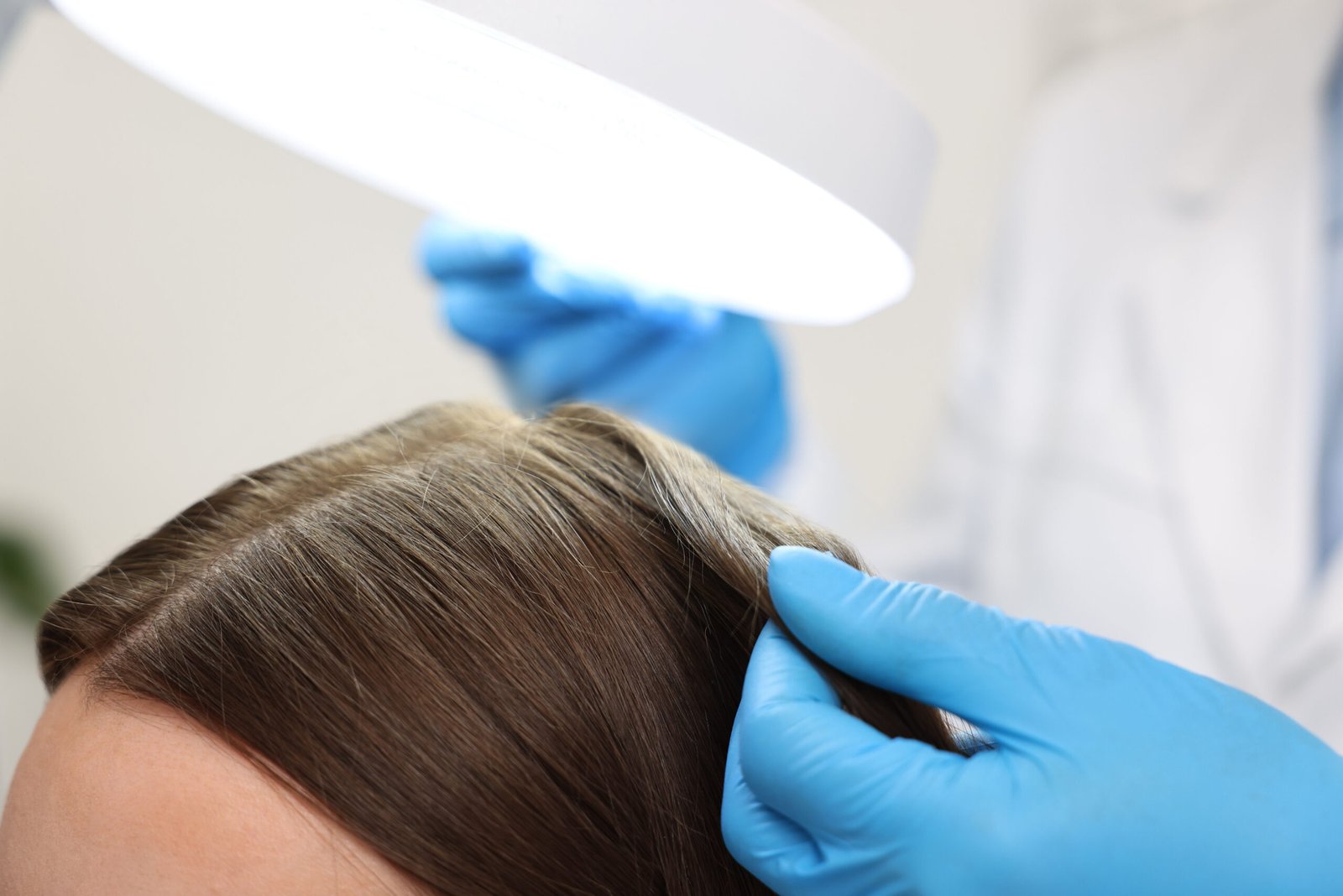
Hair Growth Therapy
Combination therapy designed to stimulate regrowth in early-stage thinning.
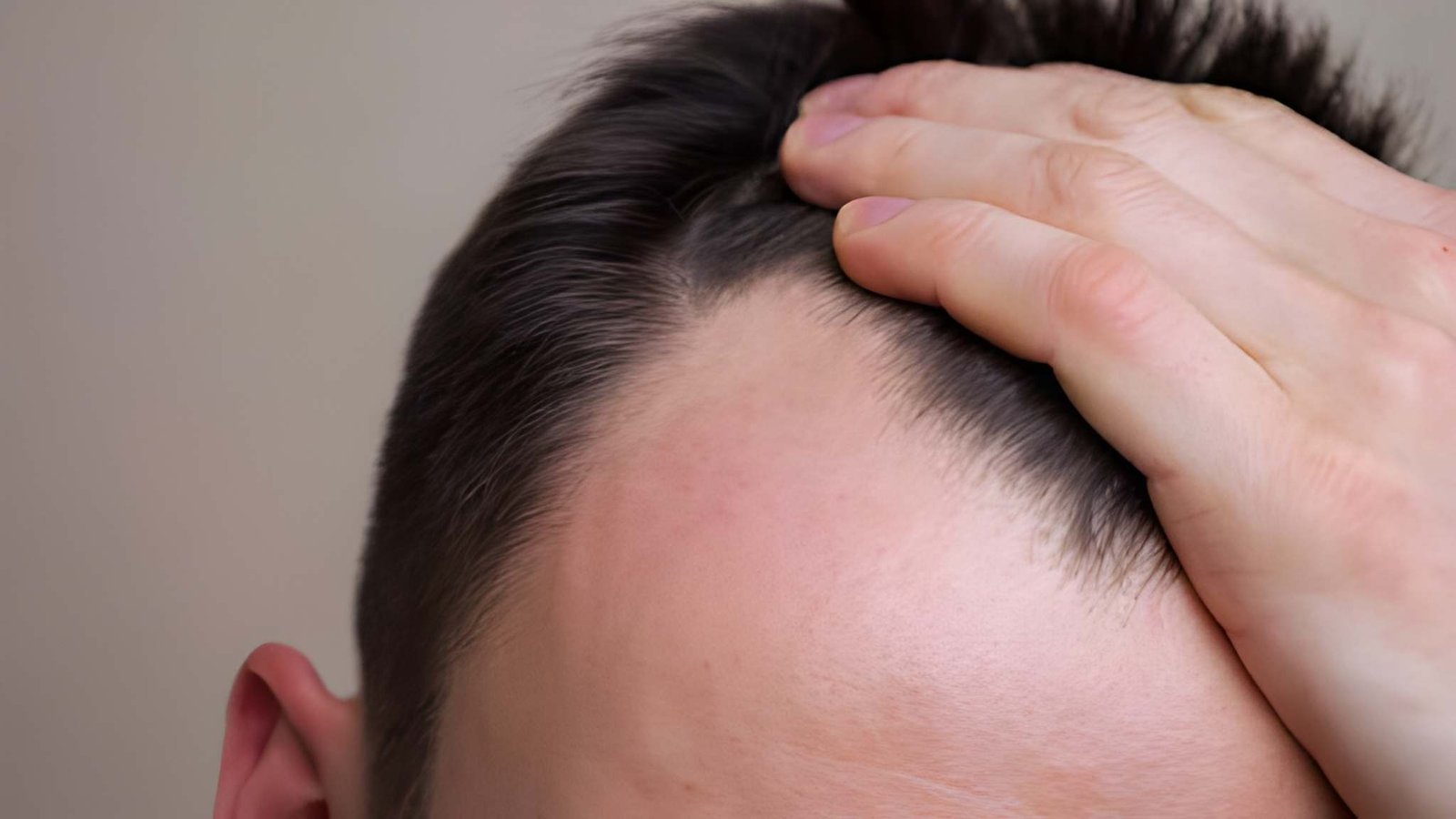
Male Pattern Baldness Treatment
Evidence-based protocols for the most common cause of hair loss in men.
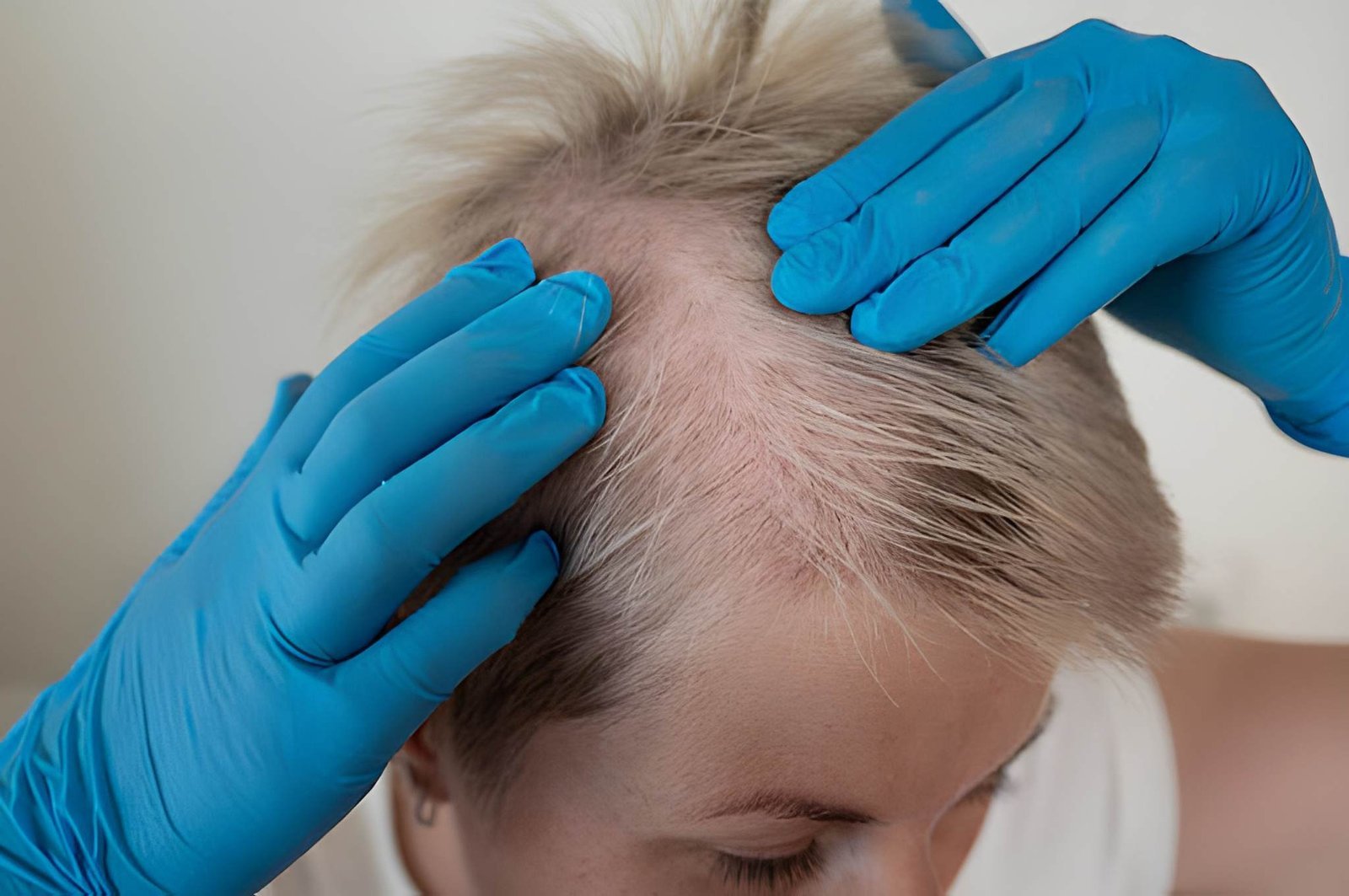
Female Pattern Hair Loss Treatment
Targeted care for diffuse thinning patterns specific to women.
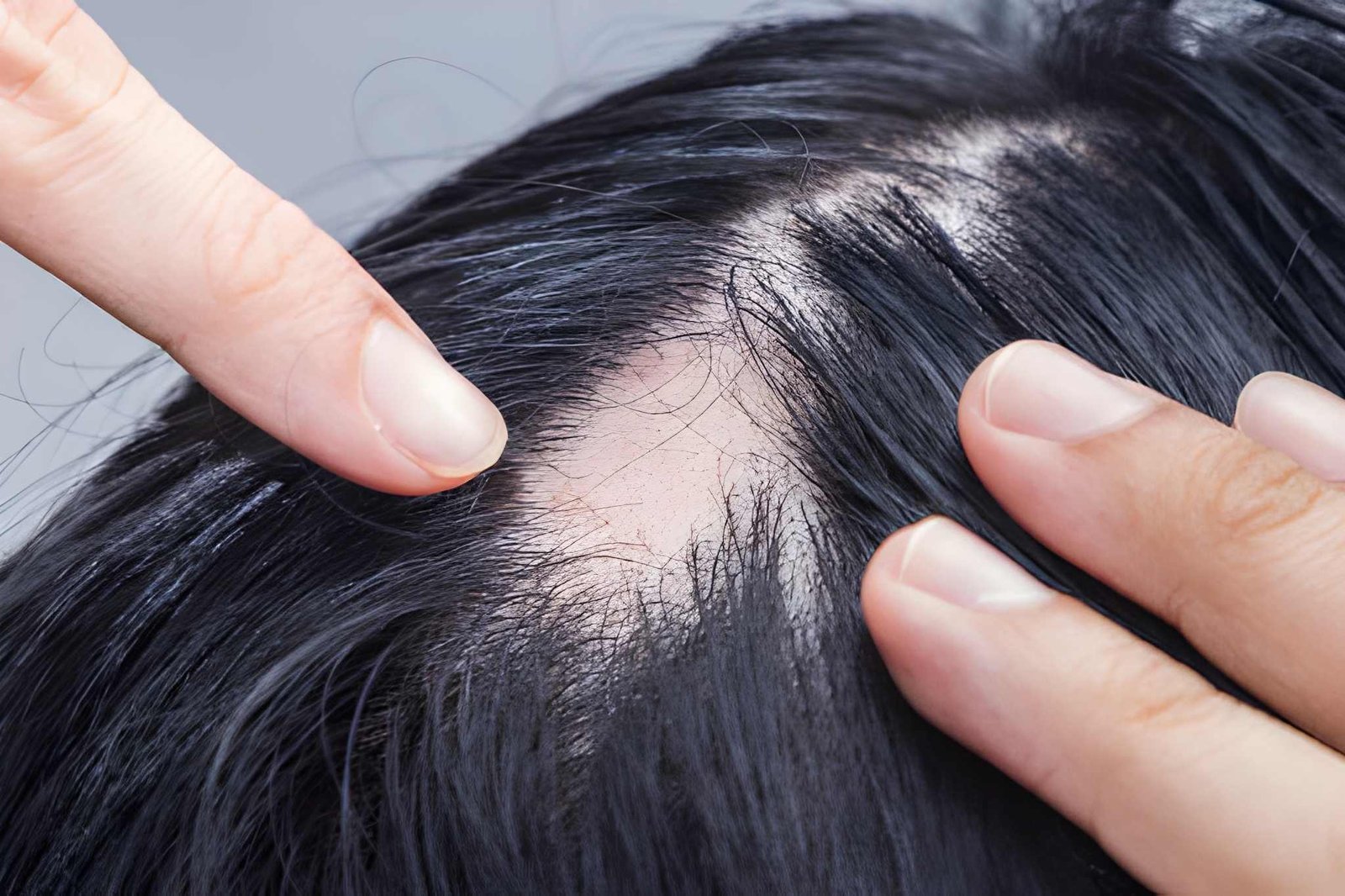
Alopecia Treatment
Diagnosis-led treatment for autoimmune and patchy hair loss conditions.
Androgenetic Alopecia Treatment
Hormone-linked hair loss managed with combined medical and procedural options.
Receding Hairline Treatment
Early-stage intervention to slow, and address, a visibly receding hairline.
Crown Hair Loss Treatment
Focused treatment for thinning and balding at the vertex region.
Thinning Hair Treatment
Restoring density and thickness before hair loss has the chance to progress.
Hair Fall Treatment
Trichology-led assessment to identify and treat the root cause of hair fall.
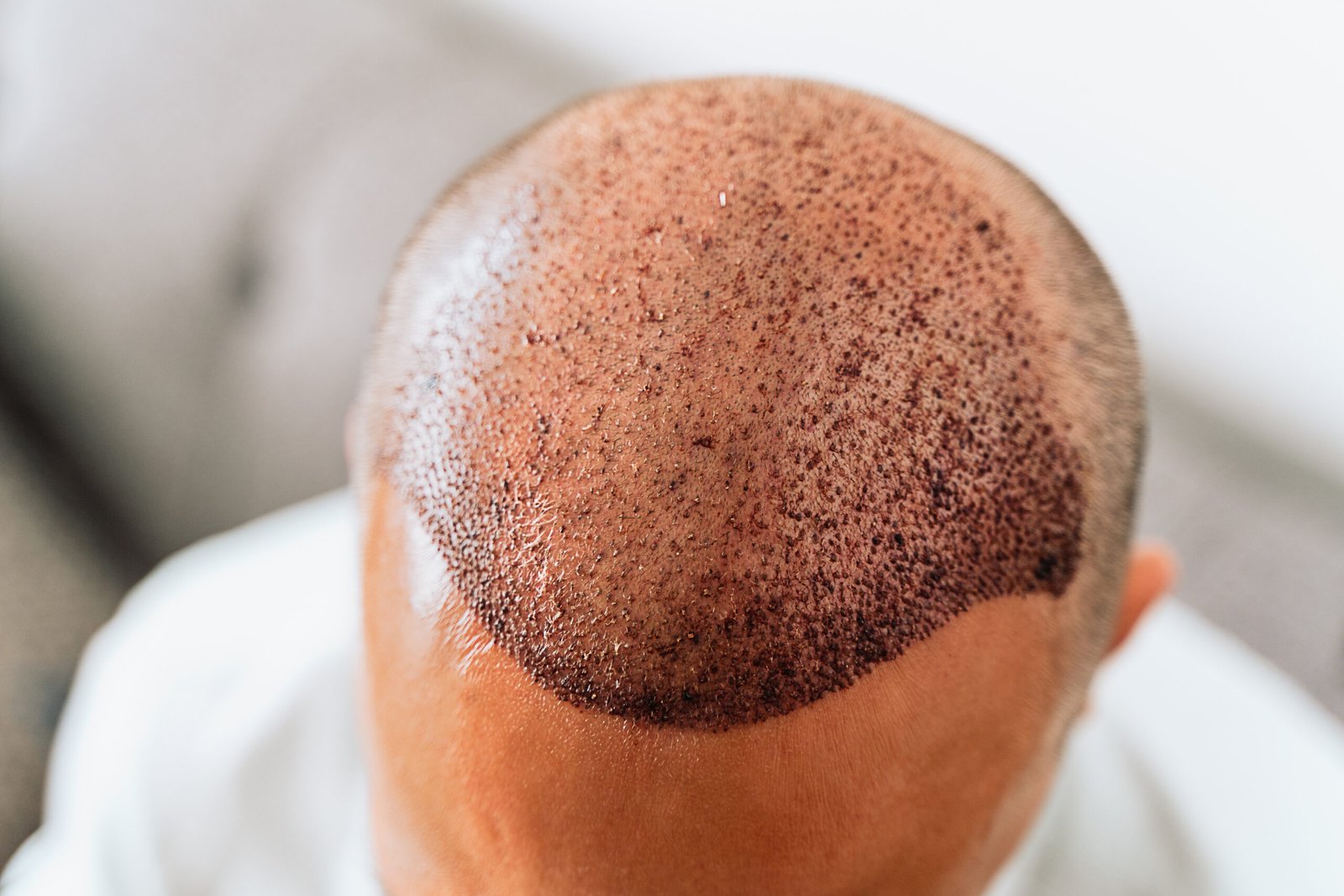
Hair Loss Treatment
Comprehensive evaluation and a personalised plan for any stage of hair loss.
Hair Loss Stages Explained
Hair Loss doesn't happen overnight — it follows a series of stages that gradually affect the hairline and crown. Dermatologists use the Norwood Scale to describe these stages, which helps determine the right timing and technique for hair transplant in Delhi.
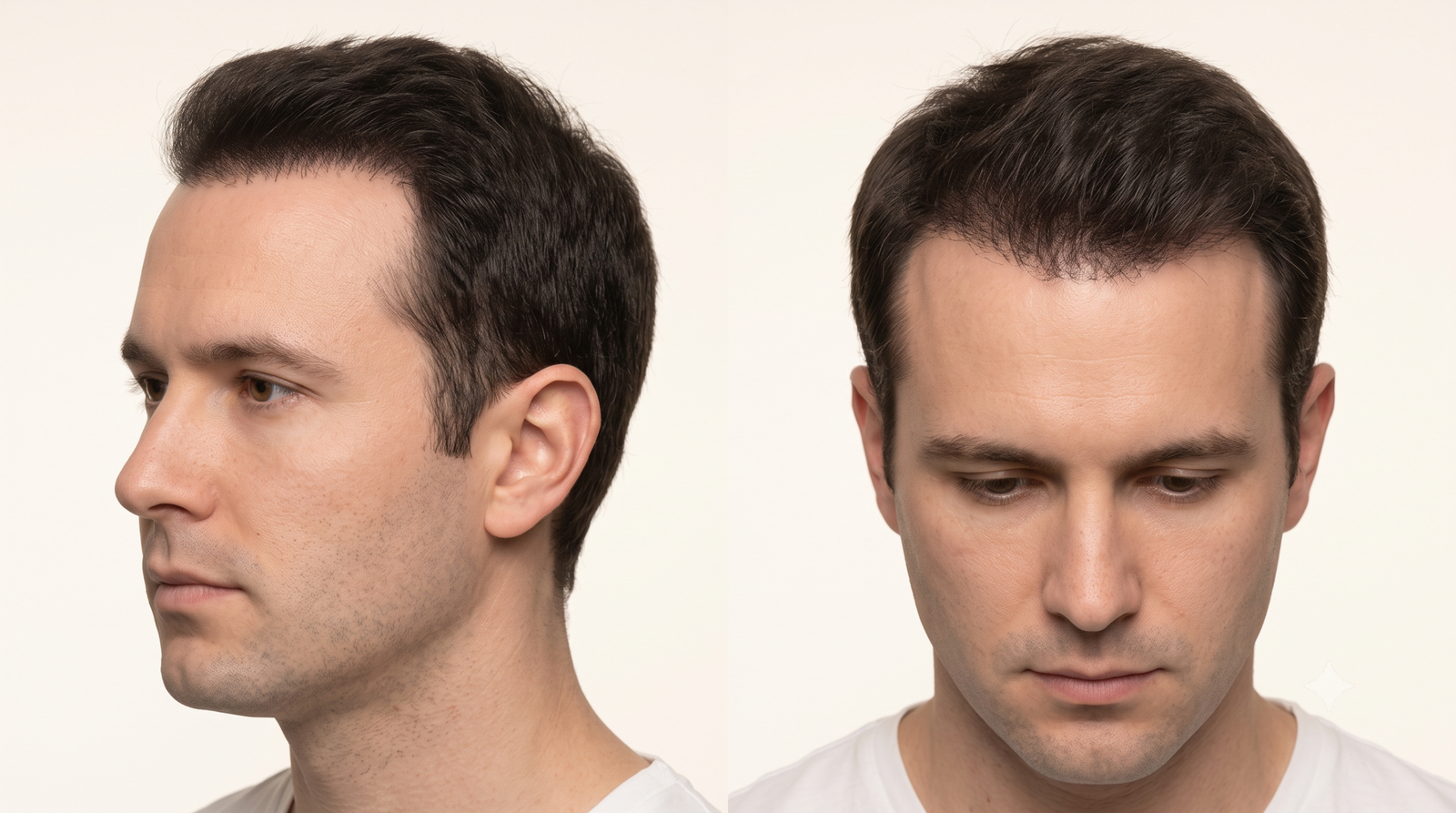
Stage 1
No significant hair loss. The hairline looks normal.
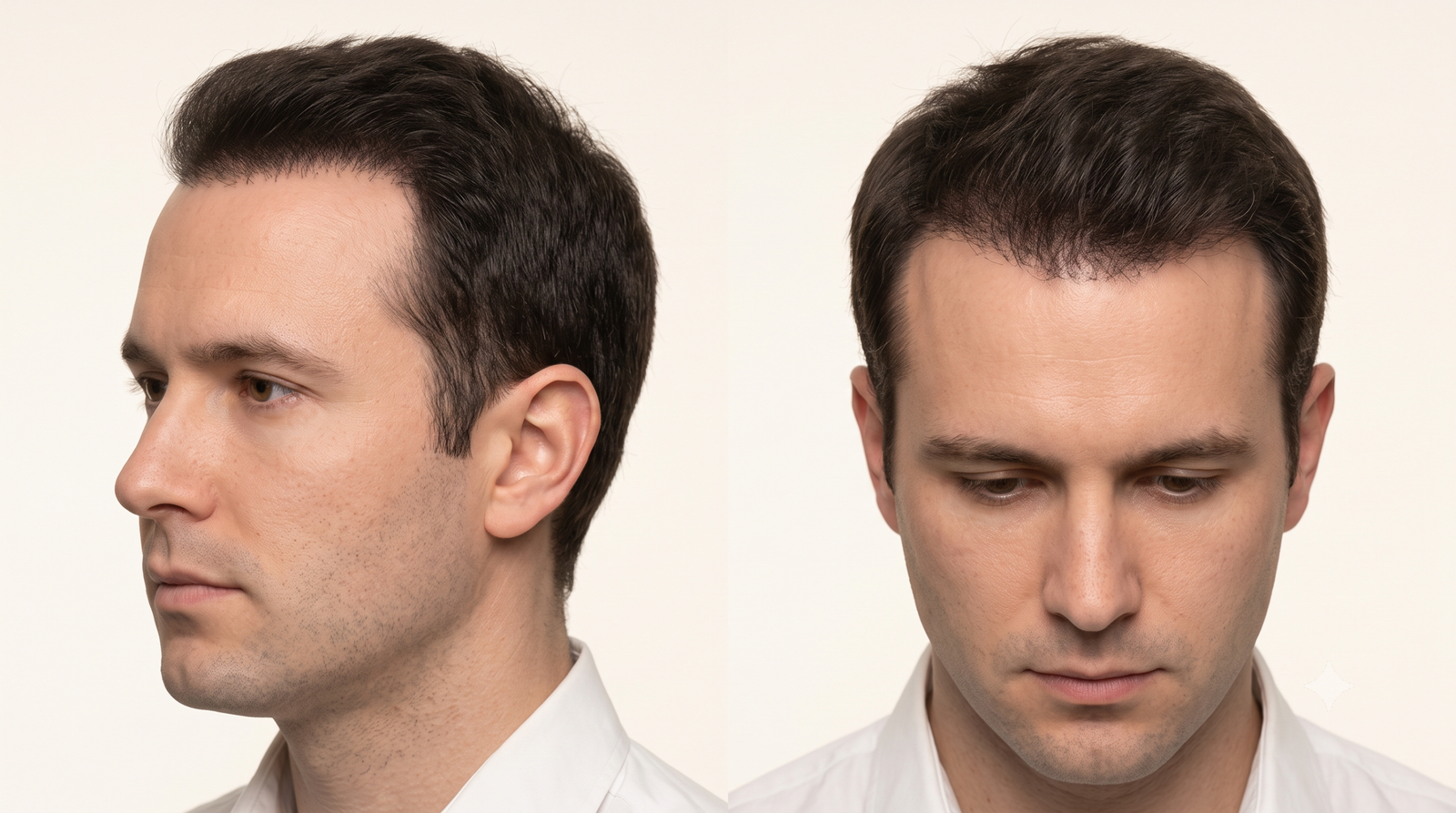
Stage 2
Slight recession of the hairline near the temples. Early signs of thinning.
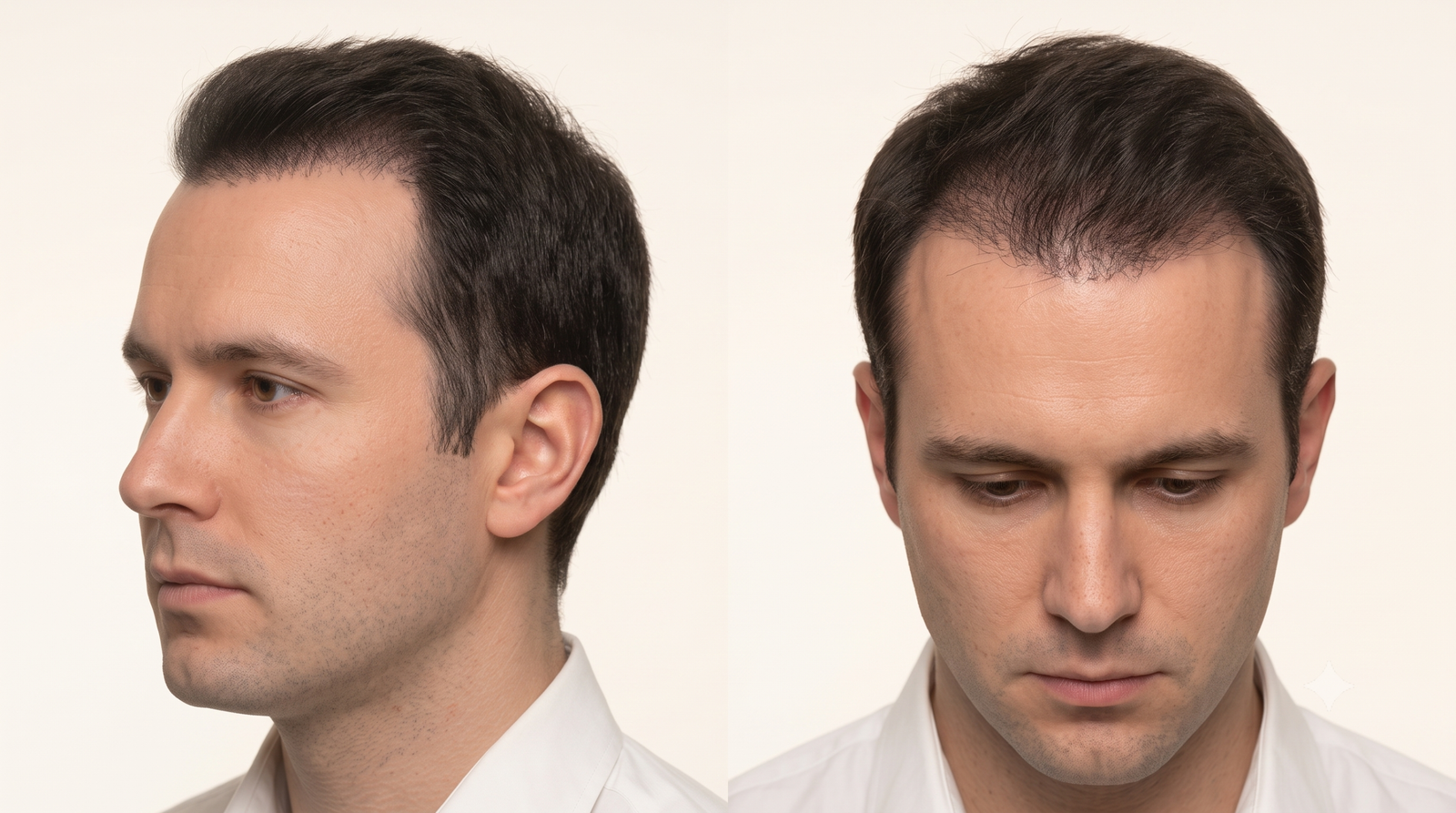
Stage 3
Deeper hairline recession that forms an M or U shape. This is usually when baldness becomes noticeable.
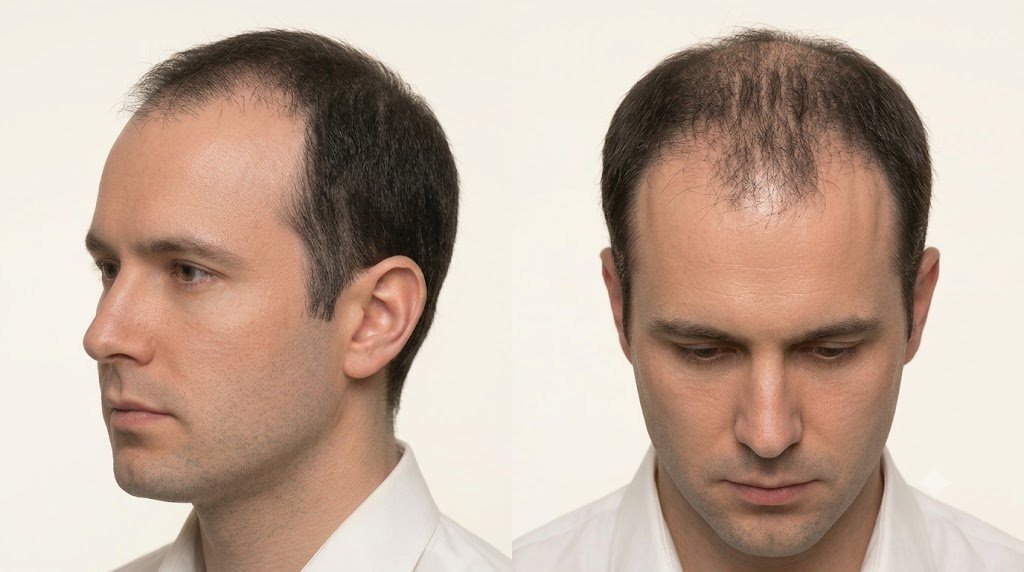
Stage 4
Hair loss becomes more severe at the temples and thinning starts at the crown.
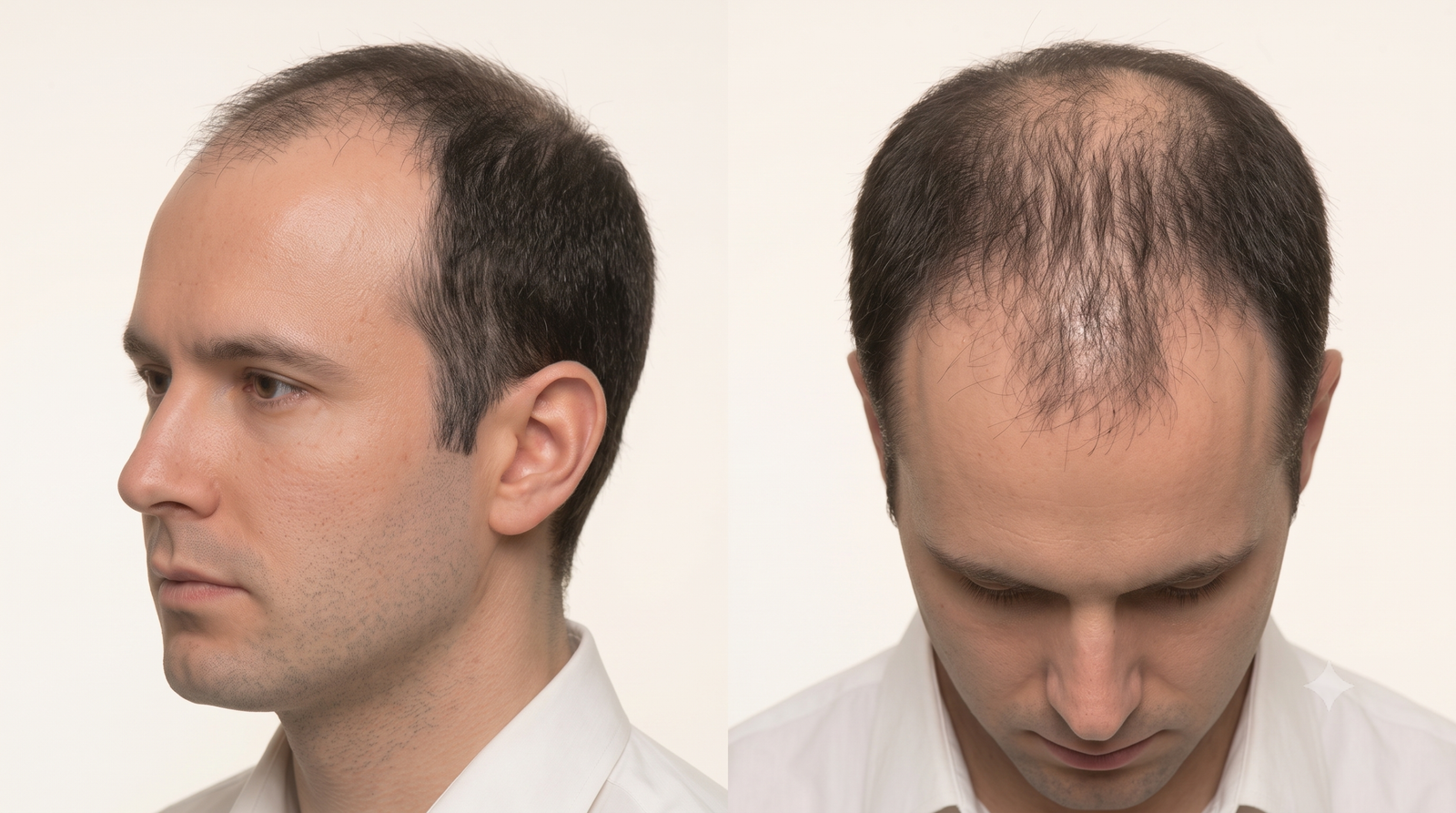
Stage 5
The bald areas at the front and crown grow larger and start joining together.
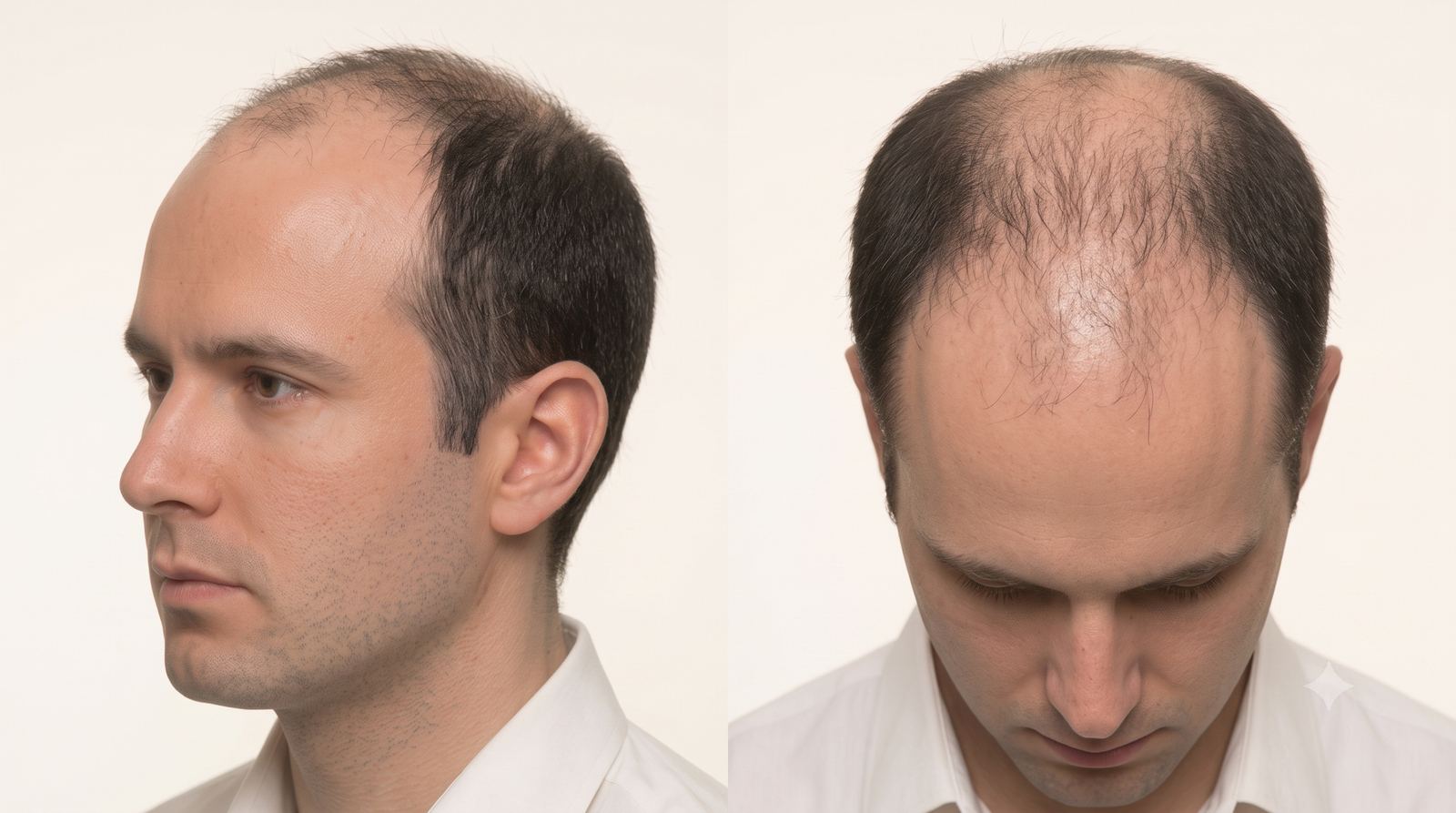
Stage 6
Only a band of hair remains around the sides of the head. The top is mostly bald.
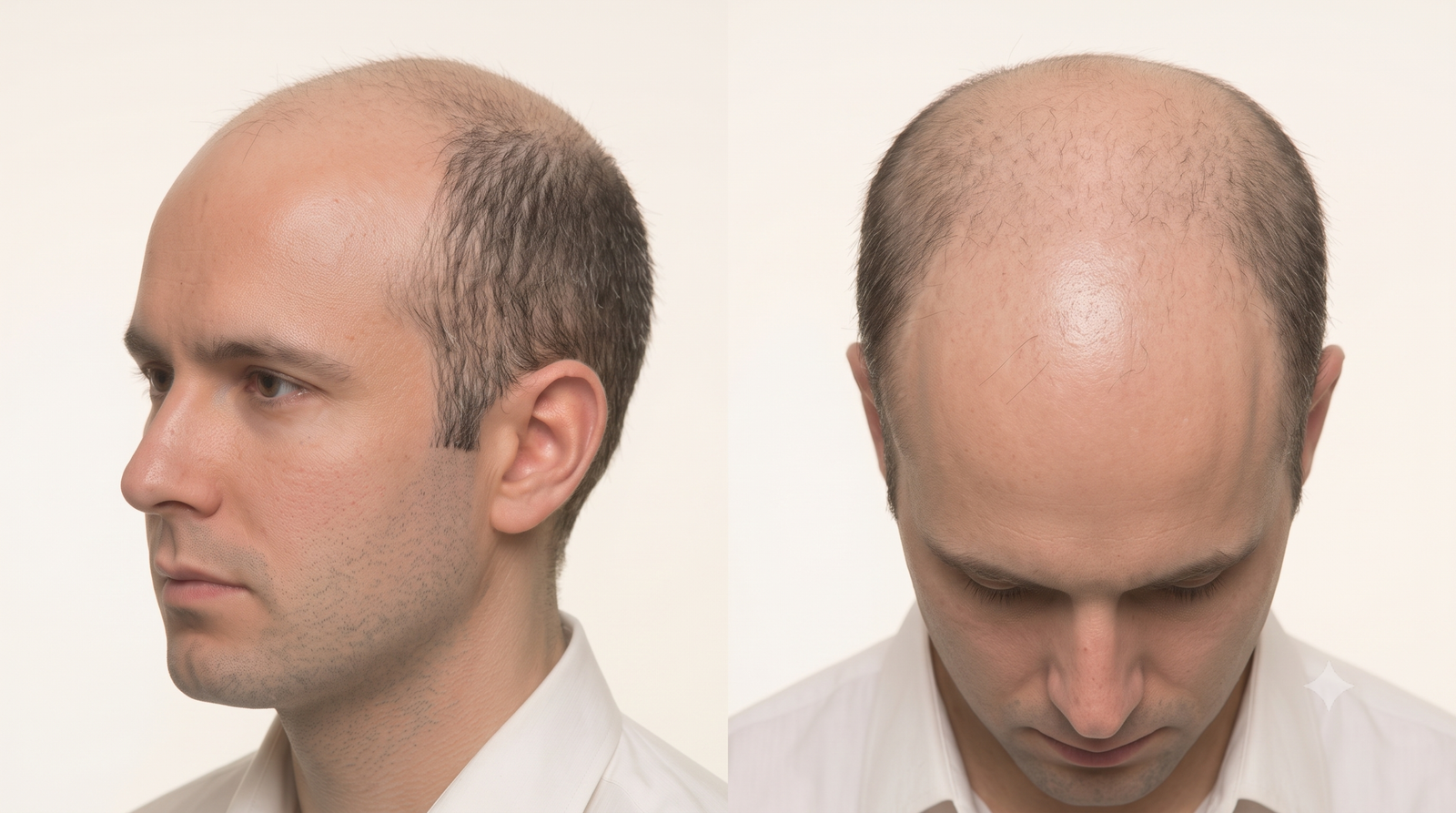
Stage 7
The final stage. Only a thin strip of hair remains at the back and sides of the head.
Who Are The Ideal Candidates For Hair Transplant?
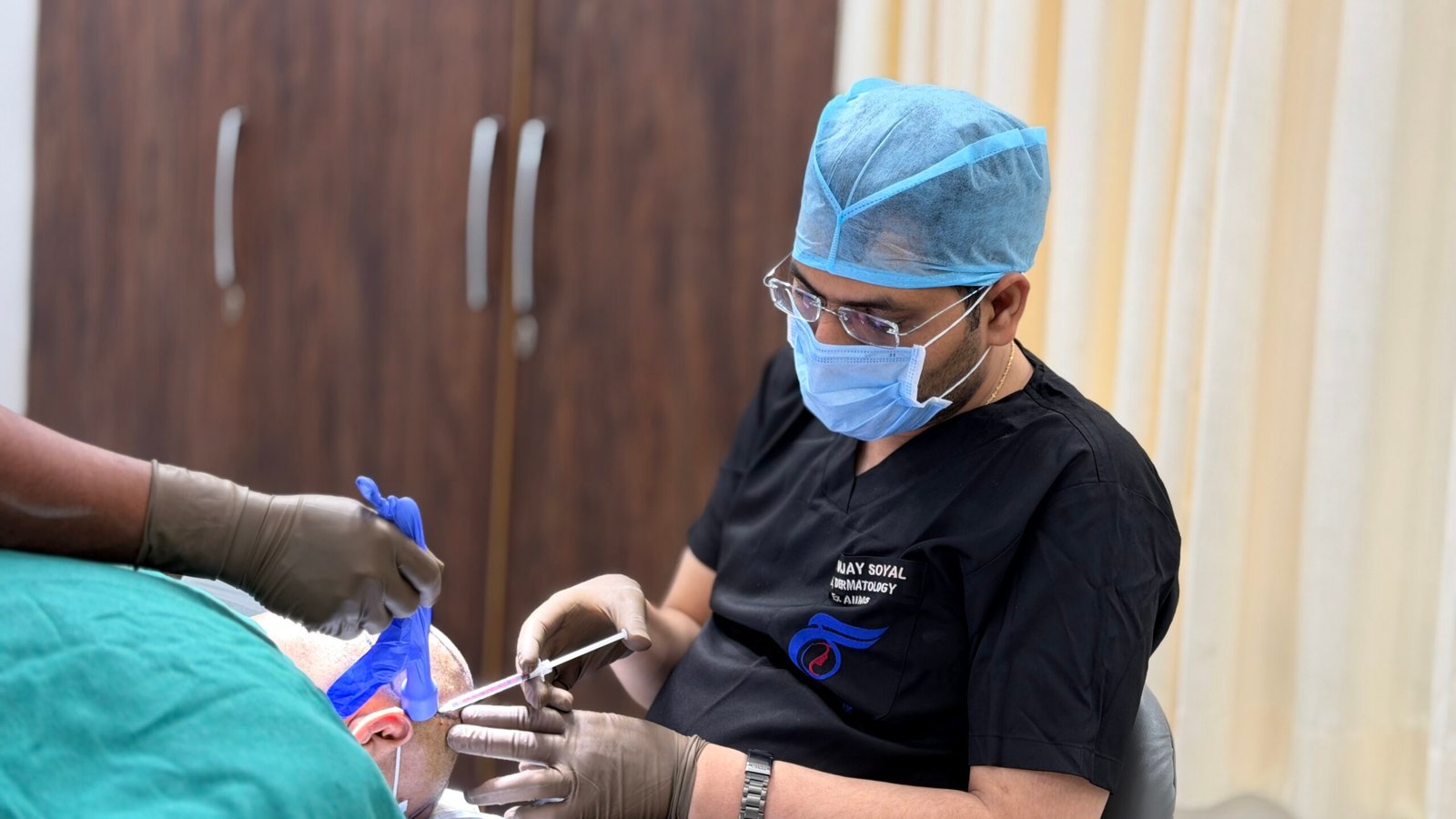
Not everyone losing hair needs, or benefits from, a transplant — and the ideal candidates for hair transplant in Delhi are defined by more than just how much hair someone has lost. Surgeons look at how stable the hair loss is, how much healthy donor hair is available at the back and sides of the scalp, and whether the underlying cause is one a transplant can actually address. A proper consultation, not a quick online quiz, is what separates a good surgical outcome from a disappointing one.
Benefits Of Hair Transplant In Delhi
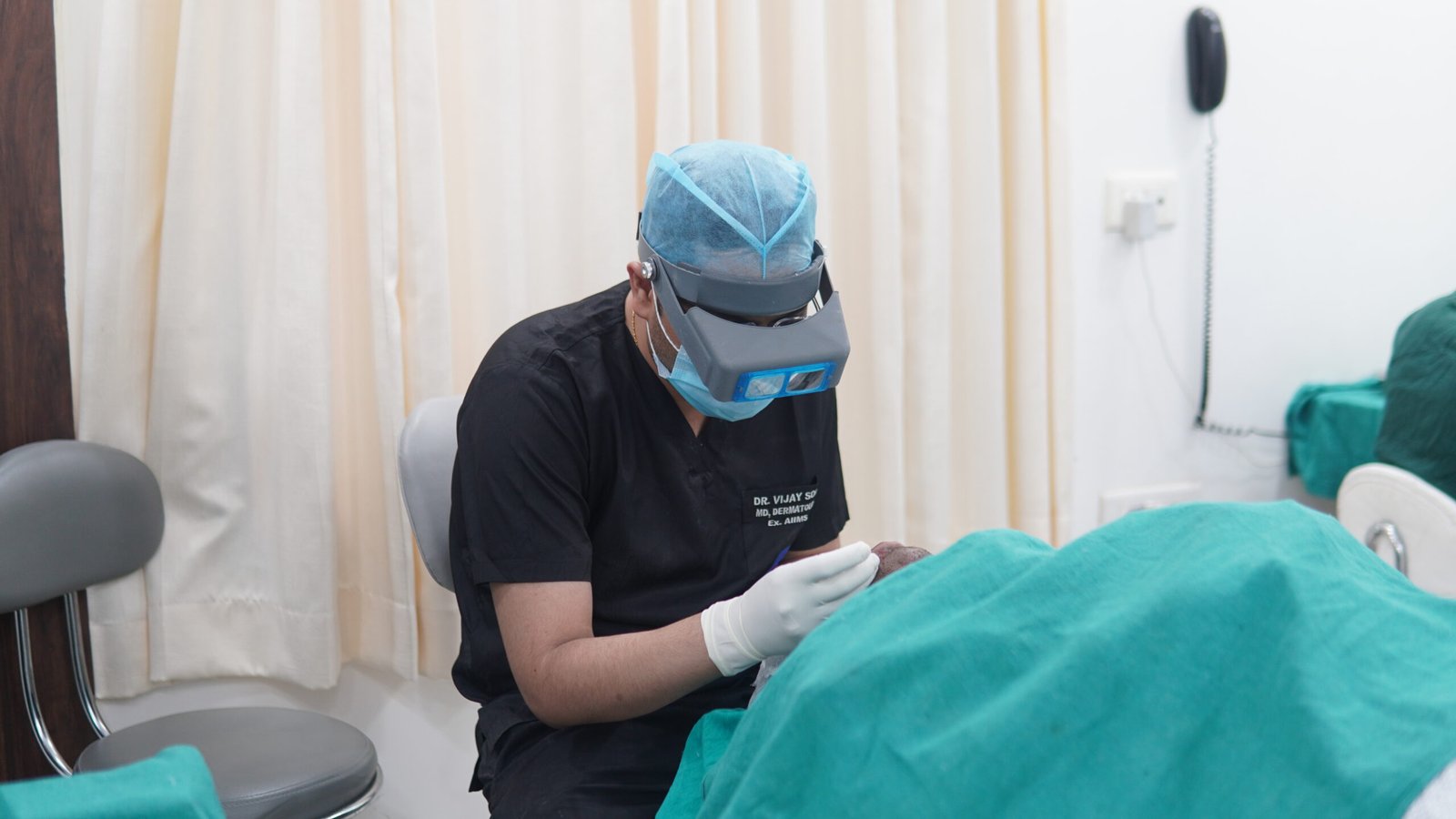
The benefits of hair transplant in Delhi go well beyond simply filling in bald patches. Because the procedure relocates your own permanent, DHT-resistant follicles rather than masking hair loss, the results are built to last, grow naturally, and blend seamlessly with your existing hair. At Skinfollix, every hair transplant in Delhi is performed using FUE or DHI technique, calibrated for natural density and a hairline shaped around your face — never a generic, one-size-fits-all pattern.

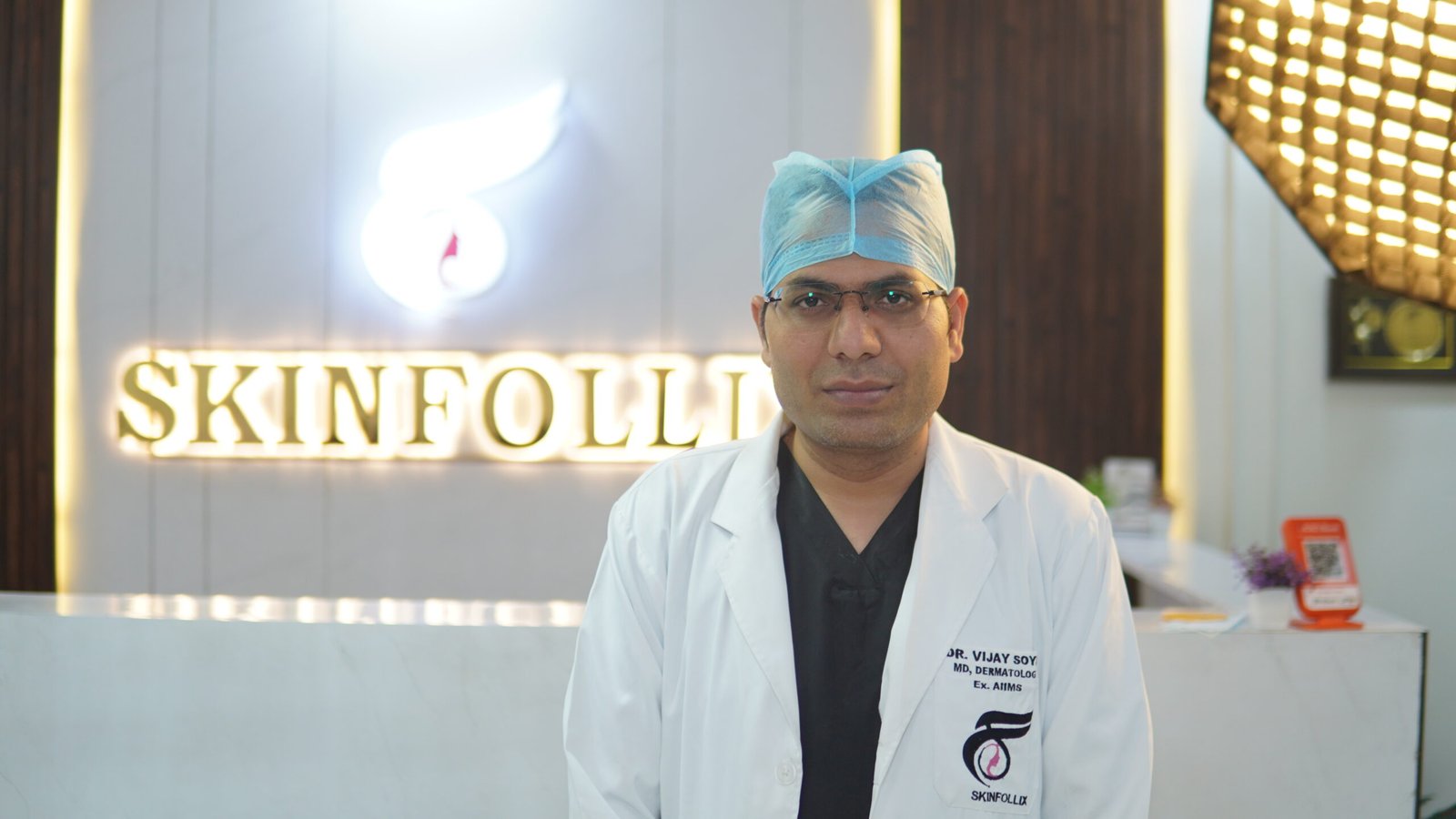
Meet Your Hair Transplant Surgeon In Delhi
MD Dermatology, AIIMS · 15+ Years In Hair Restoration · Board-Certified Hair Transplant Surgeon
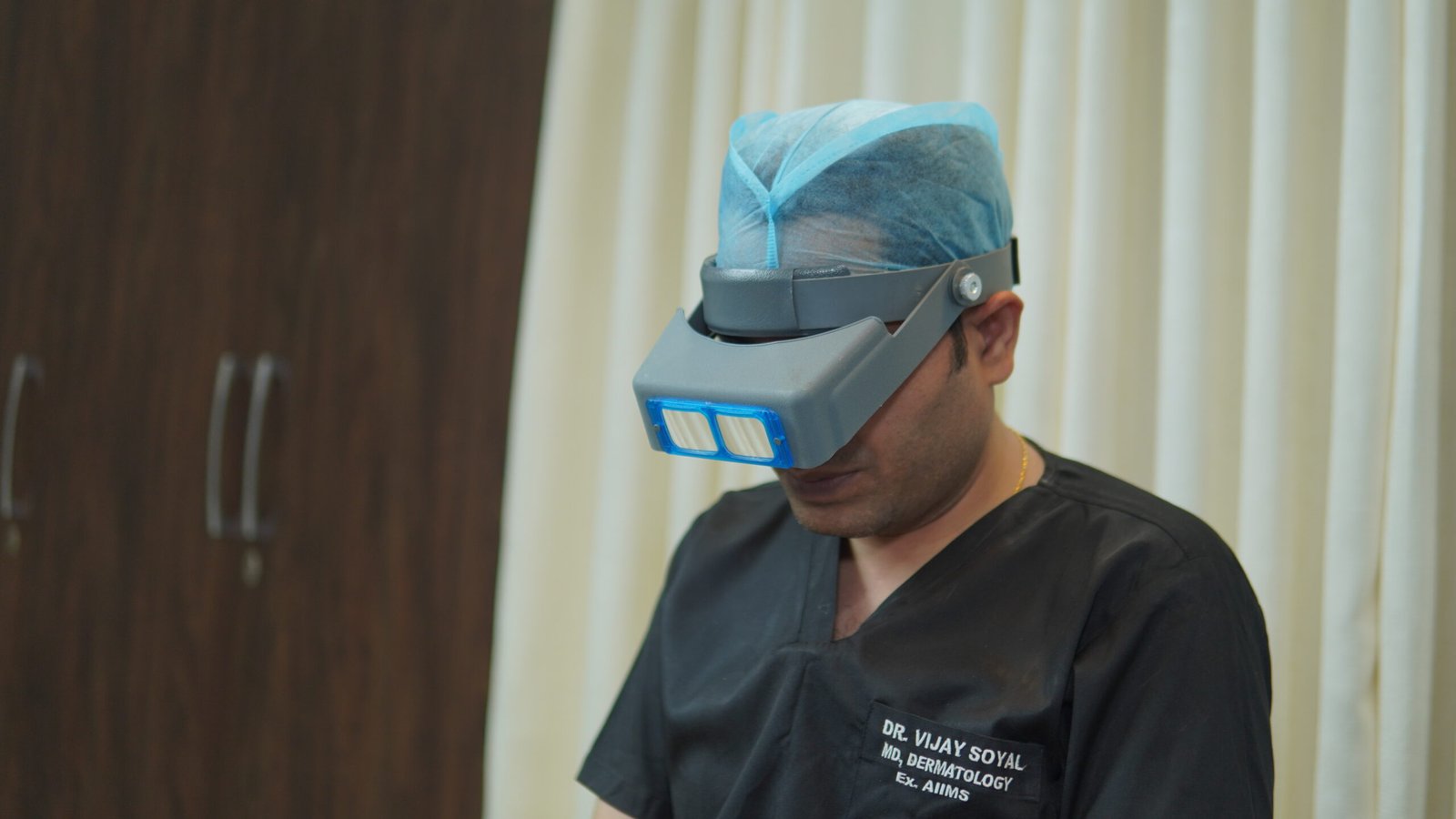
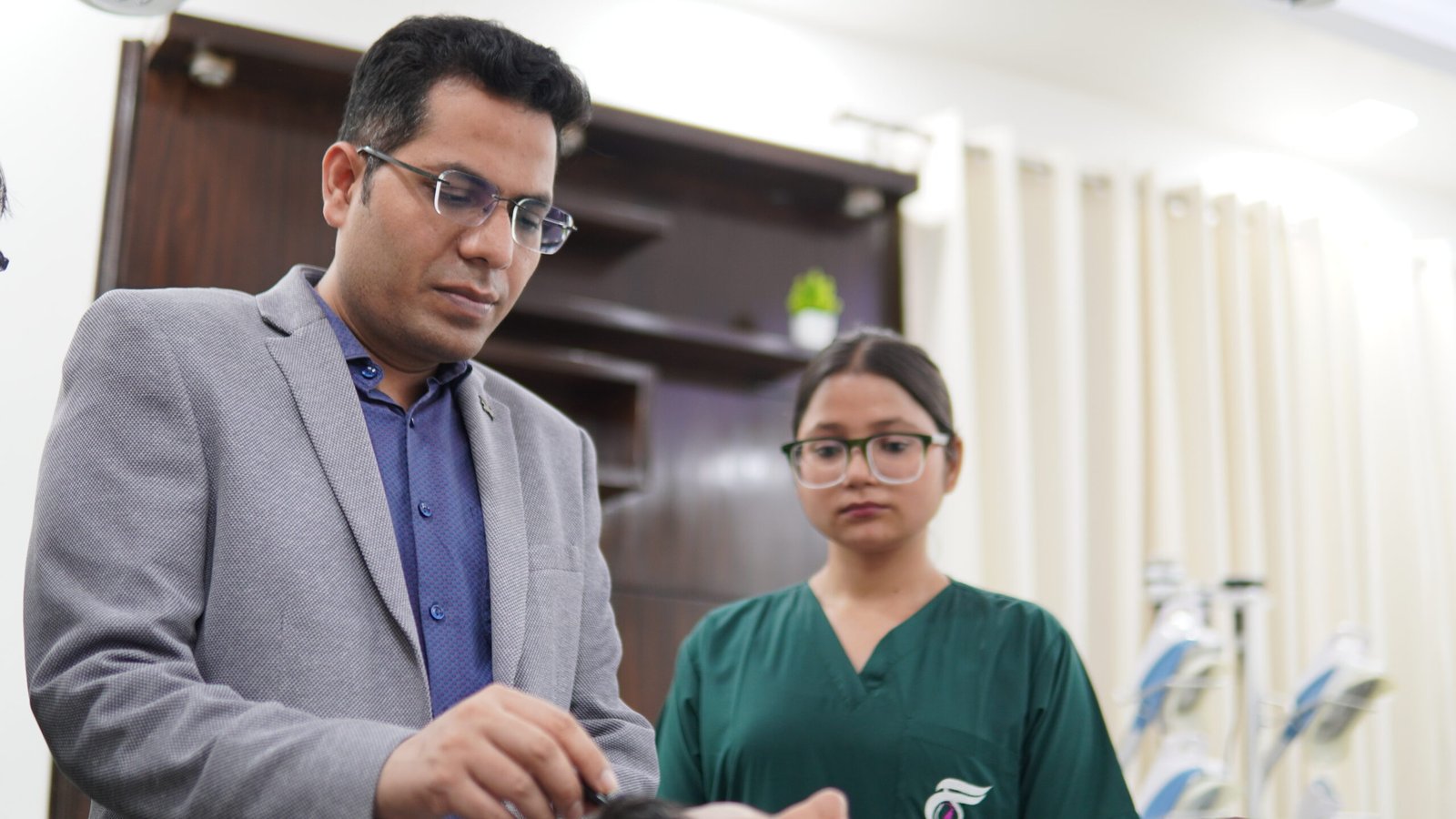
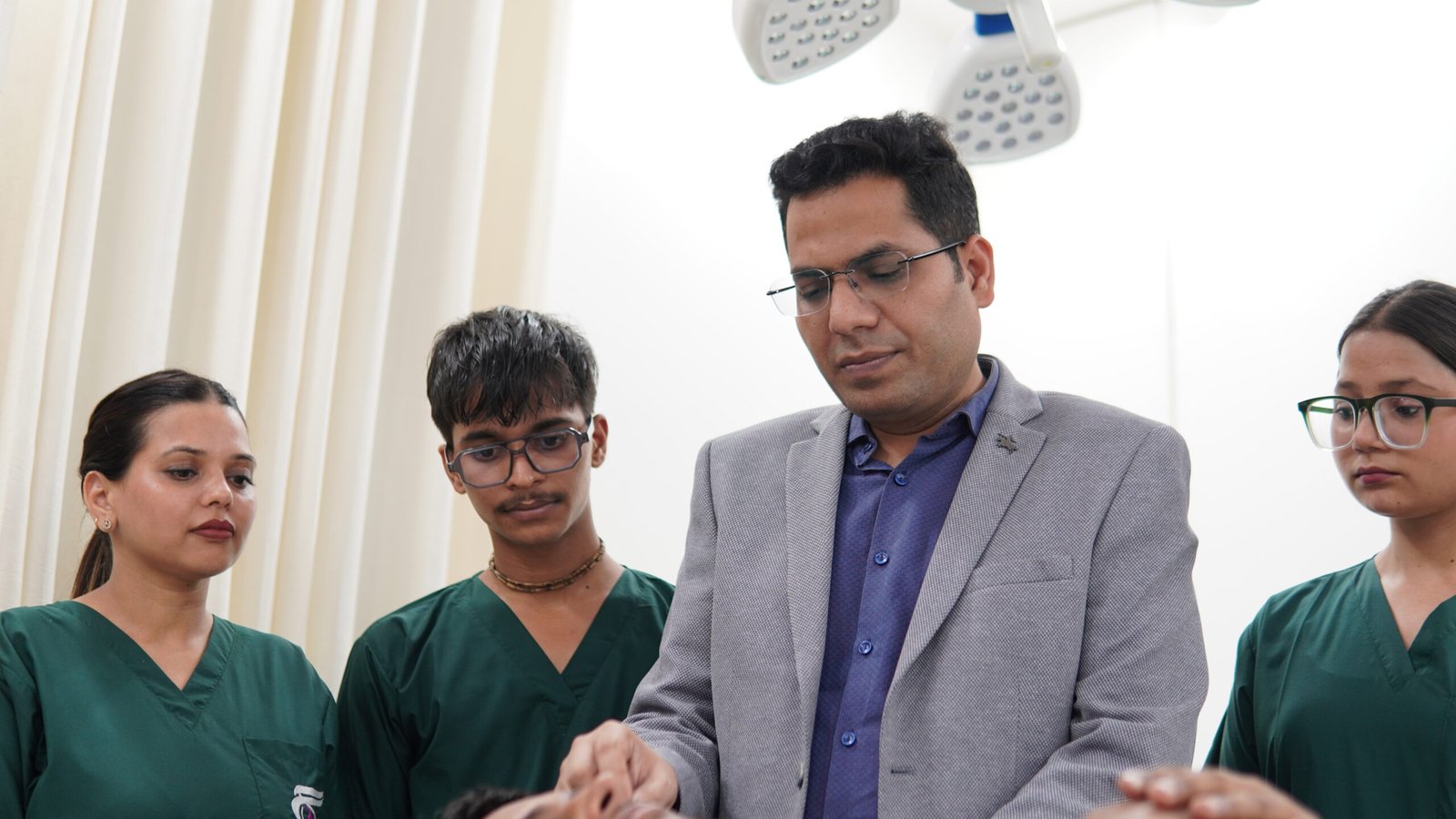
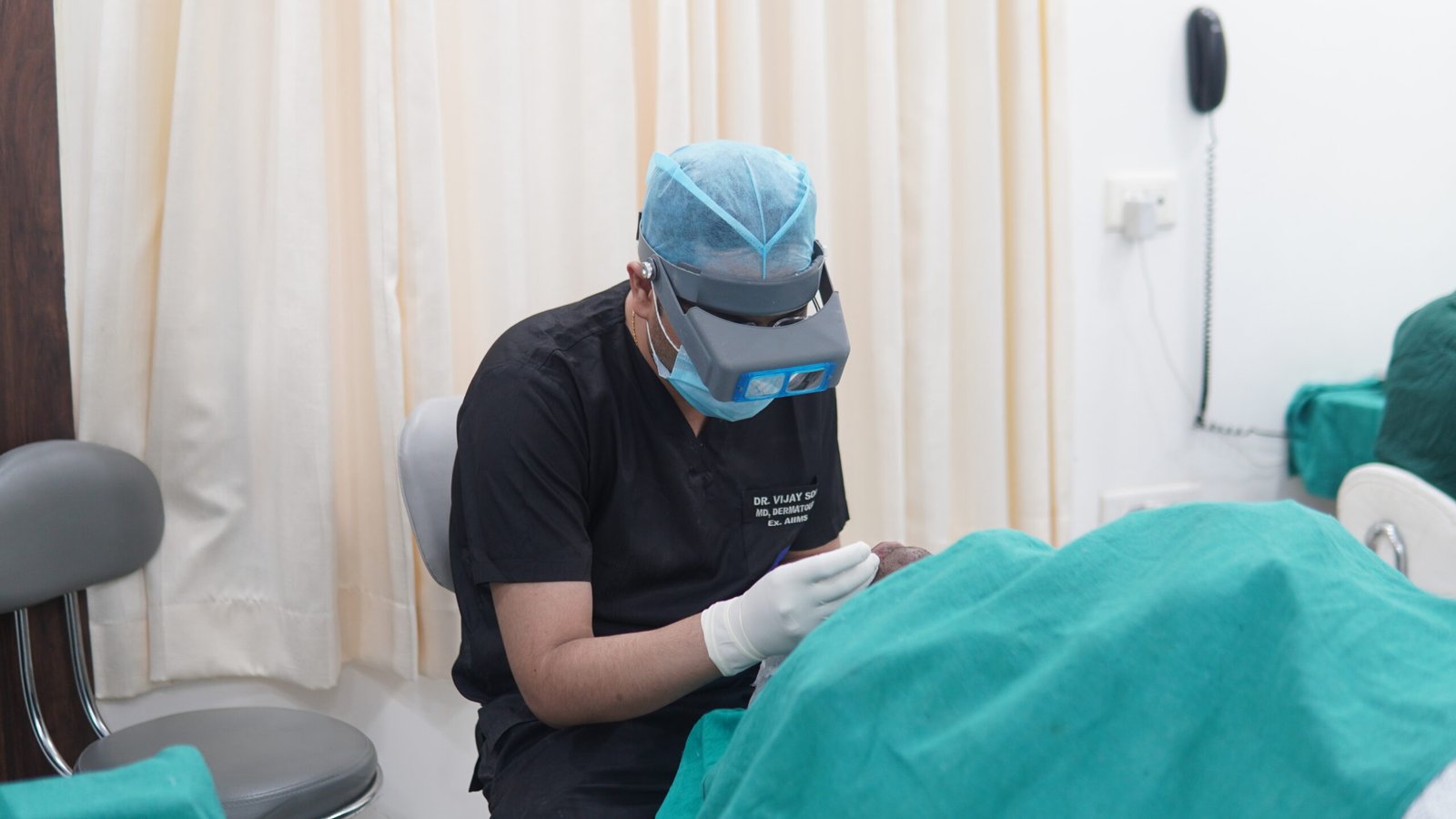
Every hair transplant in Delhi at Skinfollix is personally performed by Dr. Vijay Soyal, an AIIMS-trained, board-certified hair transplant surgeon with over 15 years of experience in FUE, DHI and FUT procedures. As a dedicated hair transplant clinic in Delhi, Dr. Soyal doesn't hand off the actual extraction and implantation to technicians — he examines donor density, scalp laxity and hair loss pattern himself before recommending a technique, and stays personally involved through every session.
Thousands of patients across Delhi NCR have trusted him for hairline reconstruction, crown restoration and beard or eyebrow transplants, using FDA-approved instruments designed for a natural-looking result rather than a visibly "pluggy" hairline. His approach centres on realistic planning — matching graft count and technique to what your donor area can actually support, not what sounds impressive in a sales pitch.
Hair Regrowth Before And After Results
Best hair regrowth treatment in Delhi results come from matching the right therapy to the right diagnosis and following through with consistent sessions — not from any single "miracle" treatment. Drag the slider on each result below to compare the before and after outcome across different regrowth protocols at Skinfollix. Individual results vary based on hair loss type, stage, treatment selected and adherence to the plan.
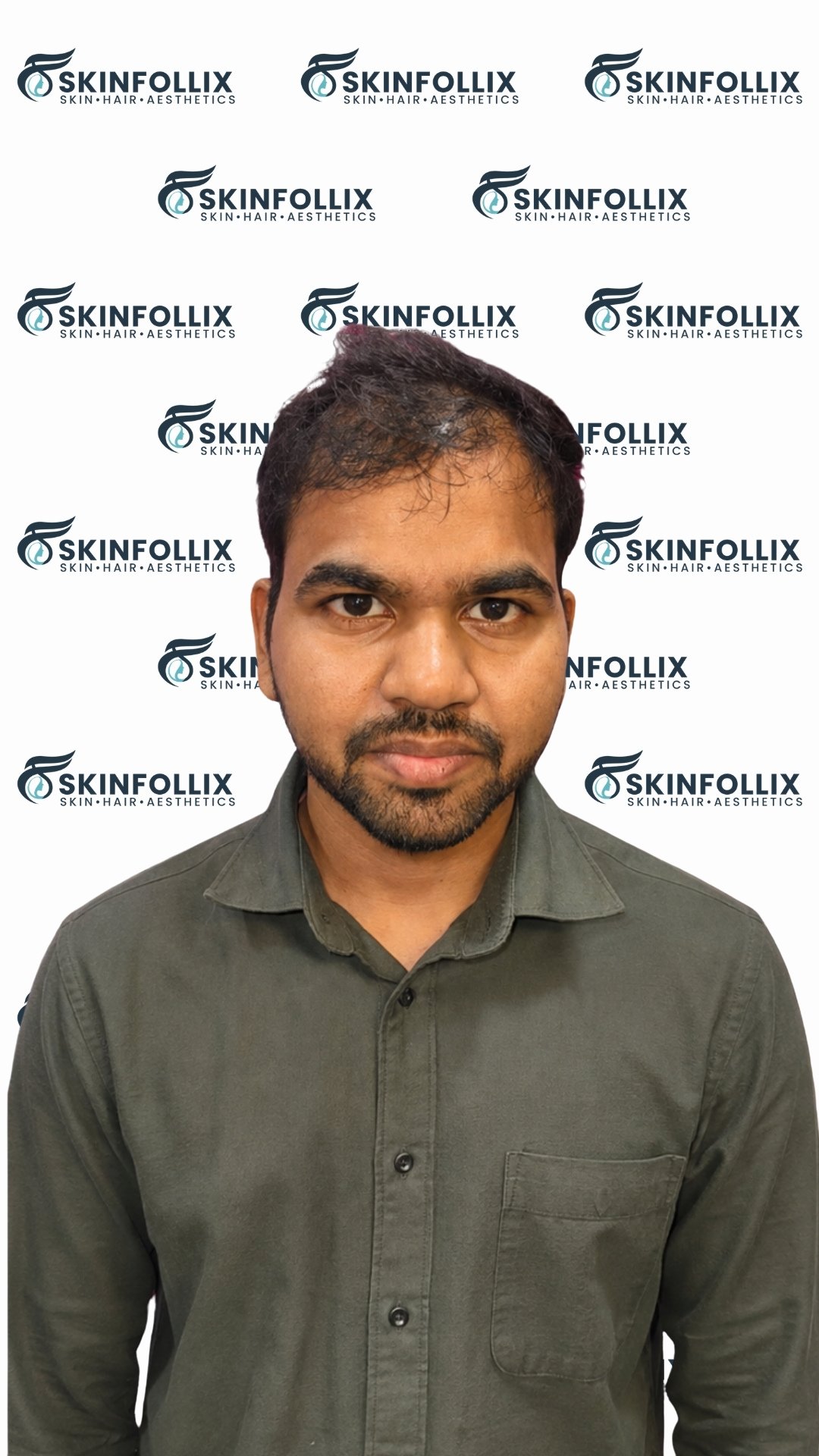
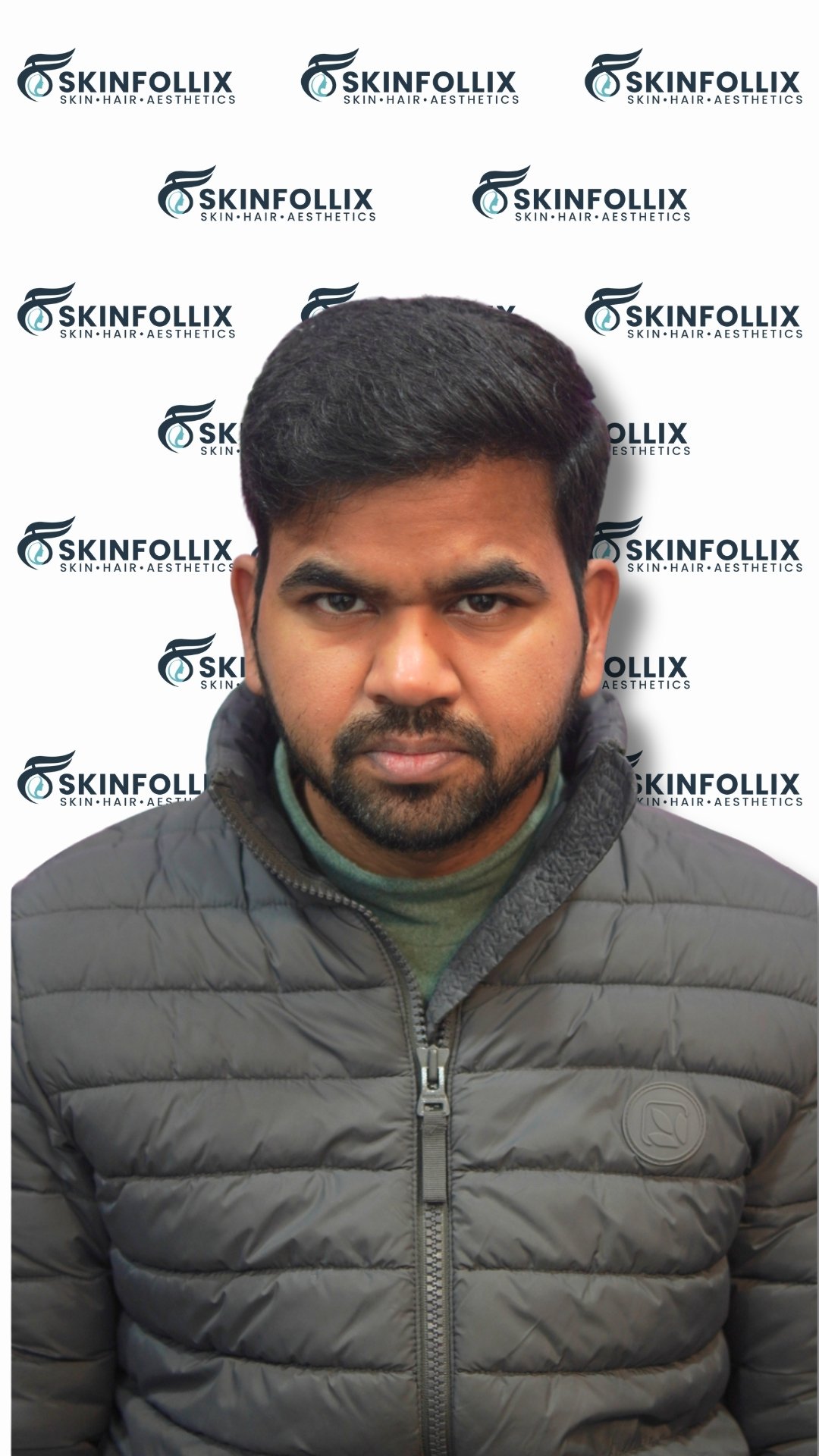
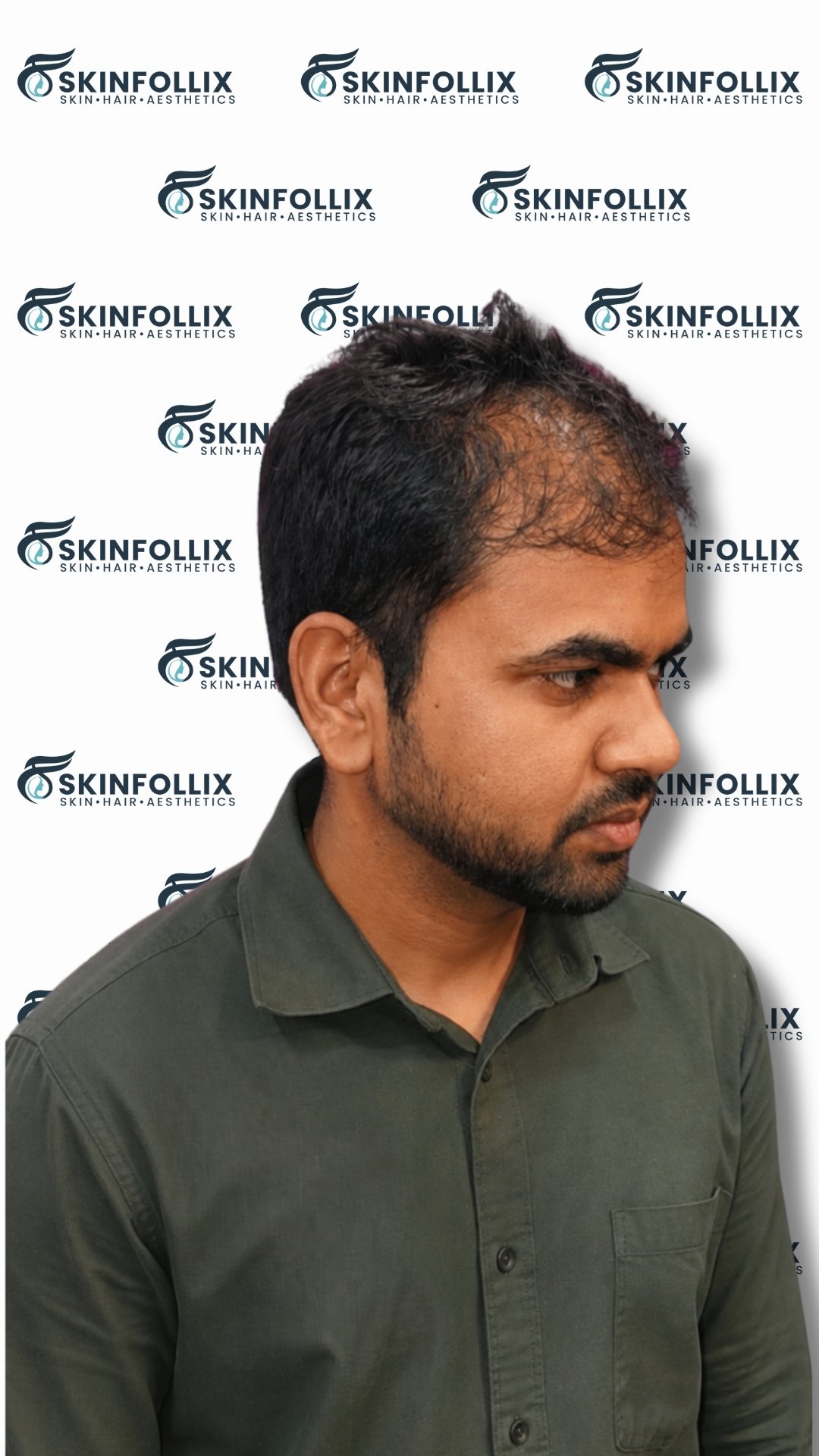
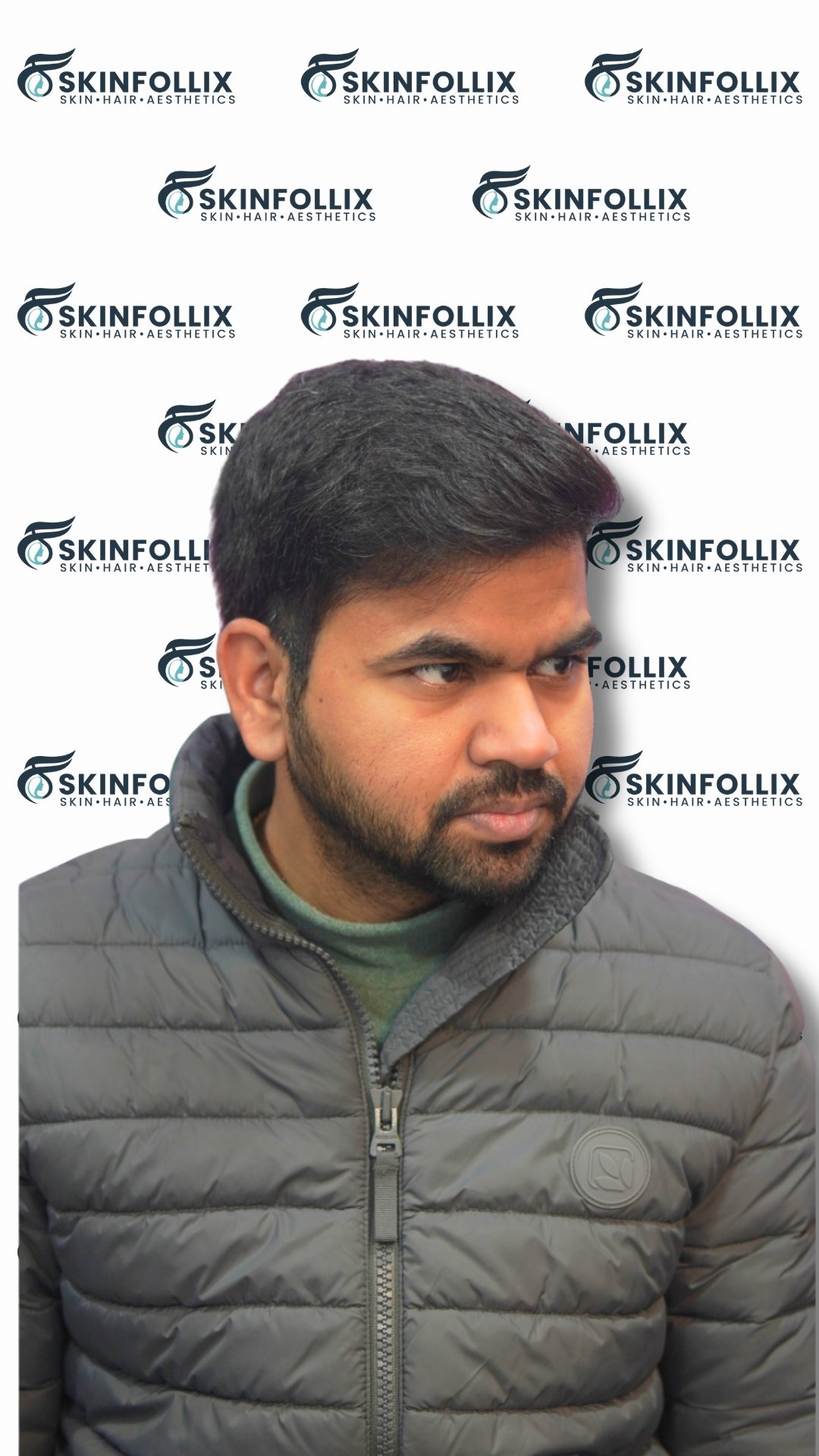
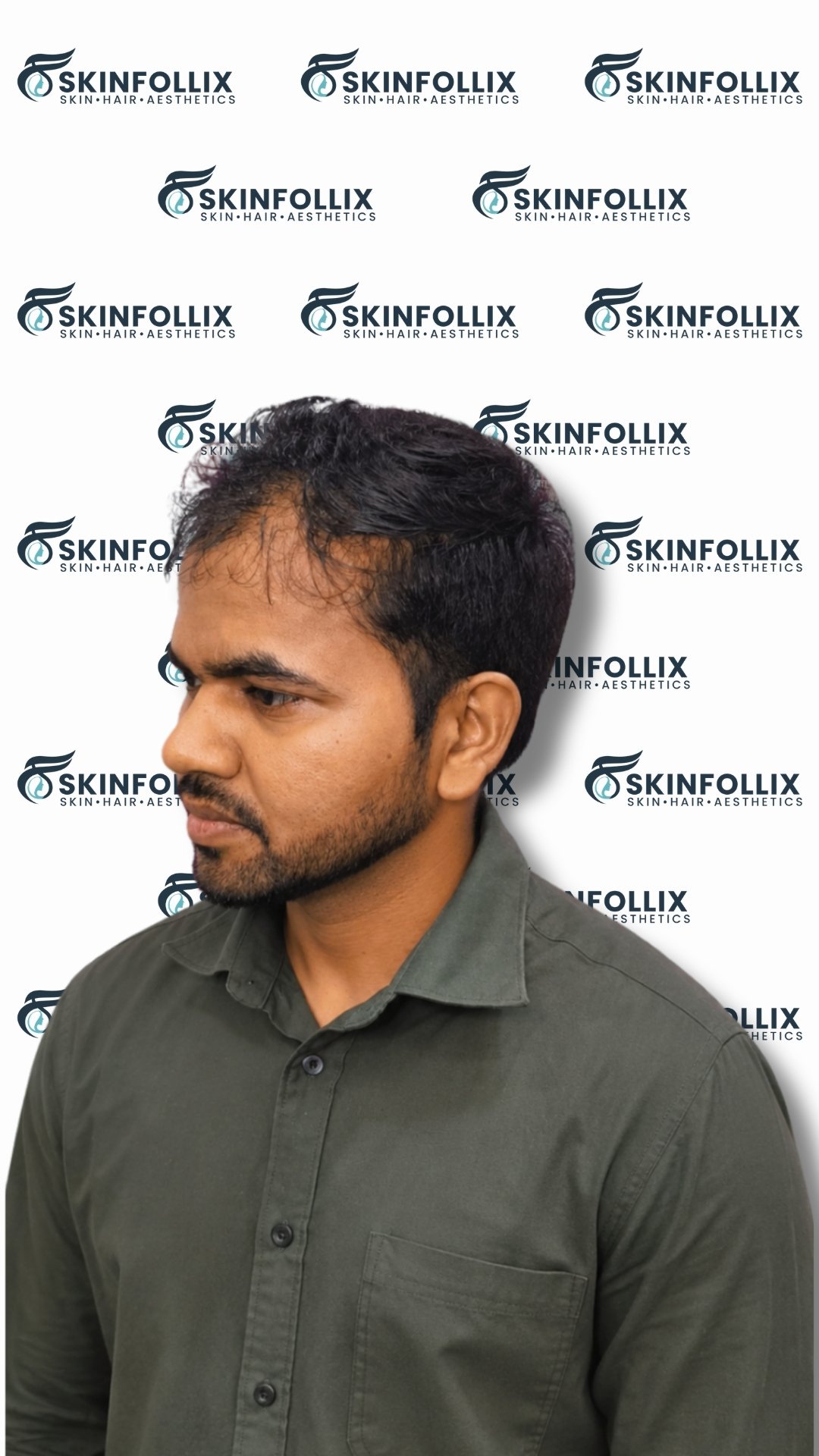
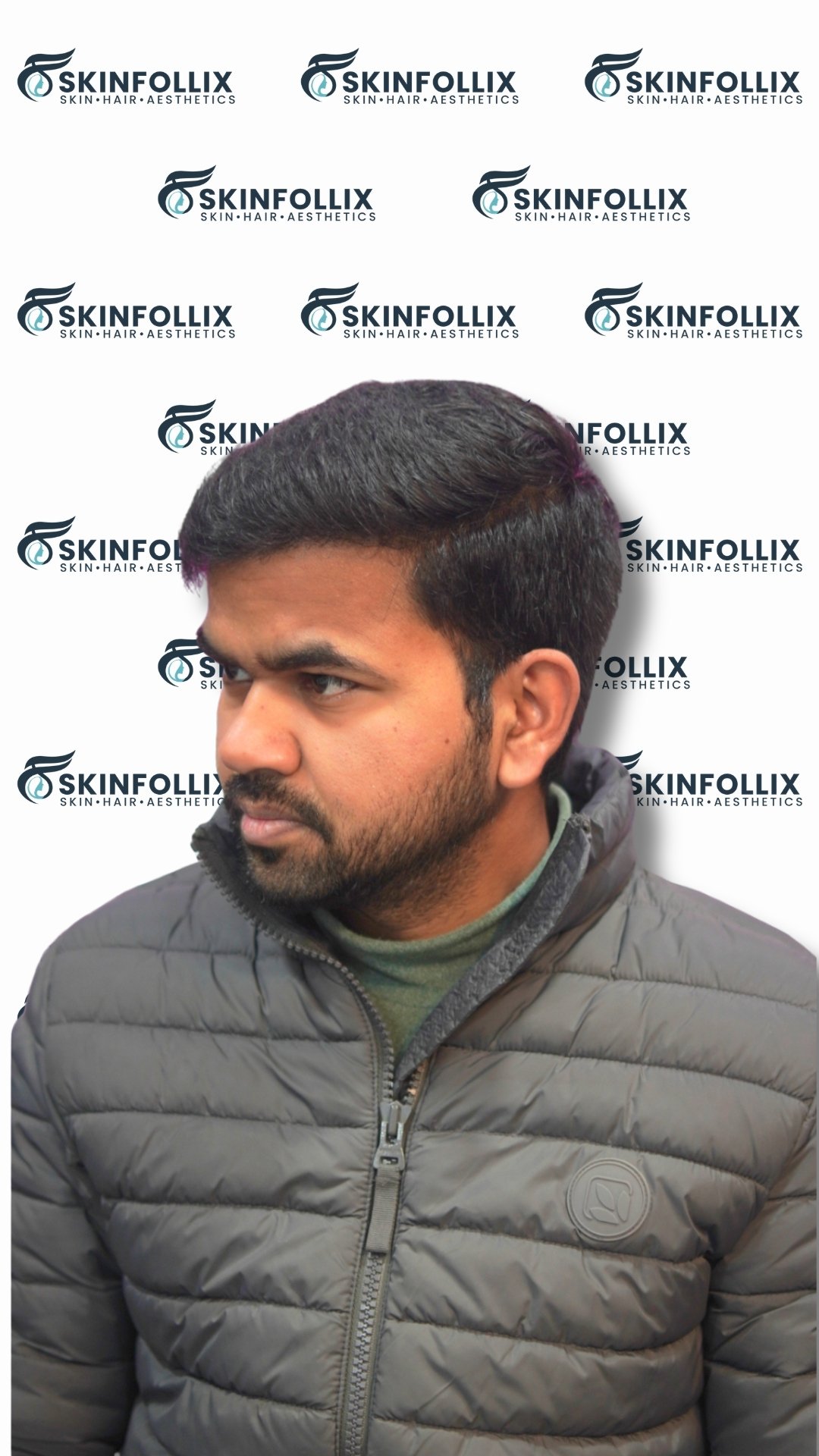
Results shown are actual patient outcomes. Individual results may vary based on hair loss type, stage, treatment combination and adherence to the recommended plan.
Our Hair Transplant Process
Every hair transplant in Delhi at Skinfollix follows the same structured, surgeon-led process, whether you're getting FUE, DHI or a combination approach.
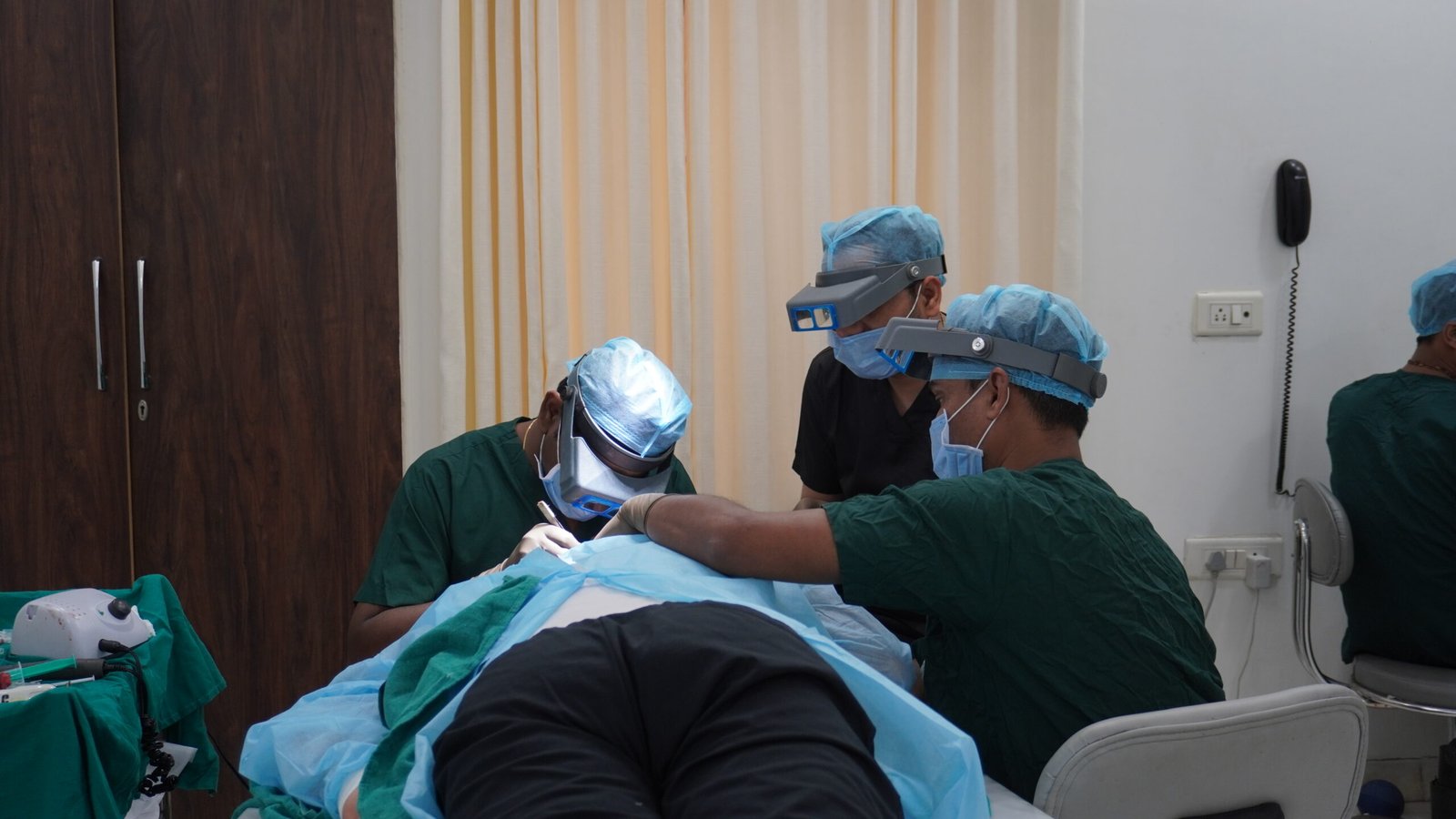
Consultation & Donor Assessment
Donor density, scalp laxity, hair loss pattern and Norwood staging are examined in person to determine how many grafts your case realistically needs and supports.
Technique Selection & Hairline Design
Your hair transplant surgeon in Delhi recommends FUE, DHI or FUT based on your donor supply and goals, and plans a hairline shaped around your face — not a generic template.
Extraction & Implantation
Under local anaesthesia, grafts are extracted follicle by follicle and implanted at the planned density and angle, using FDA-approved instruments for a natural growth direction.
Post-Op Care & Growth Follow-Up
Aftercare guidance, scheduled follow-ups through the shock loss phase, and progress checks as new growth appears, all the way to final results.
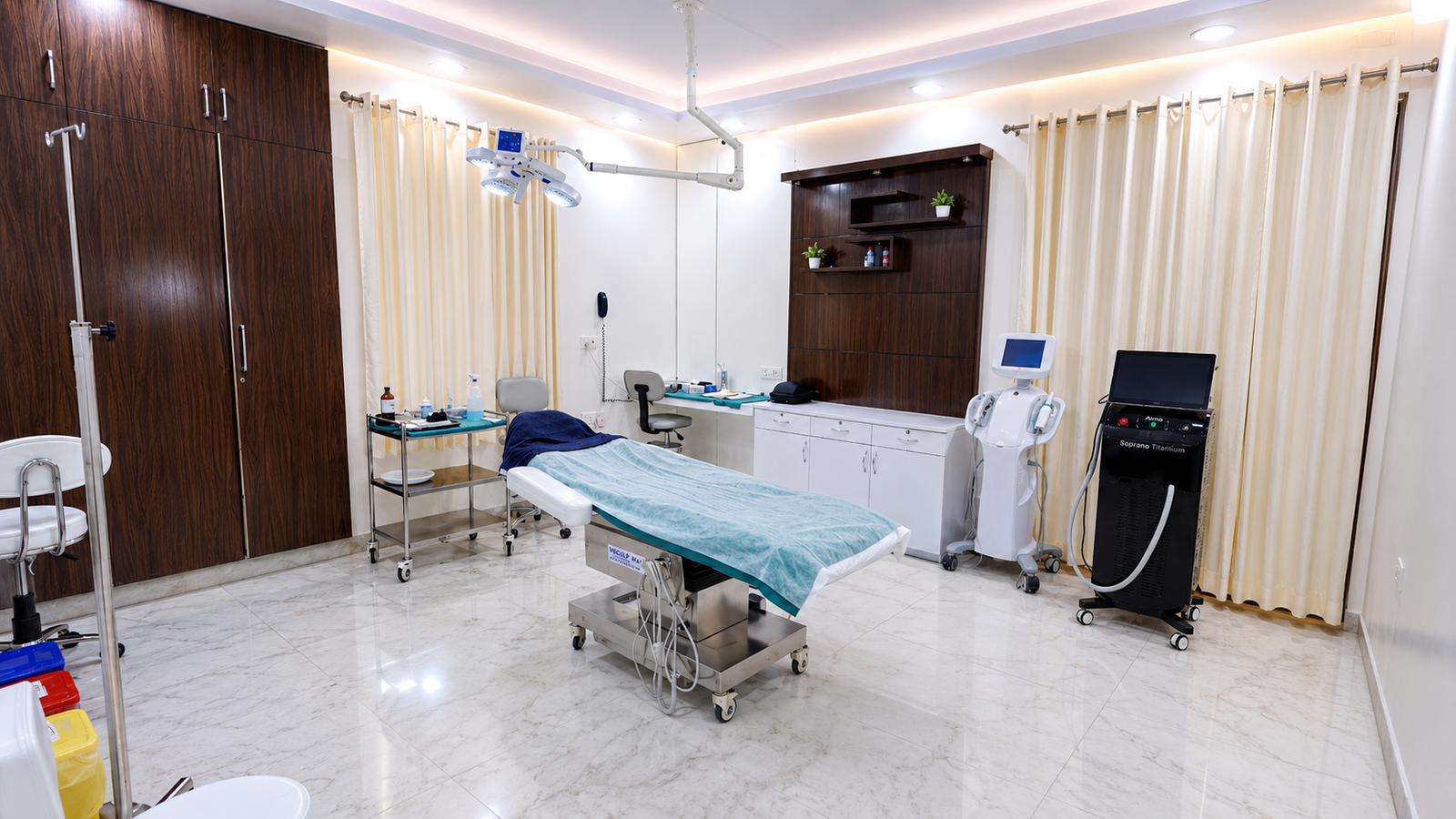
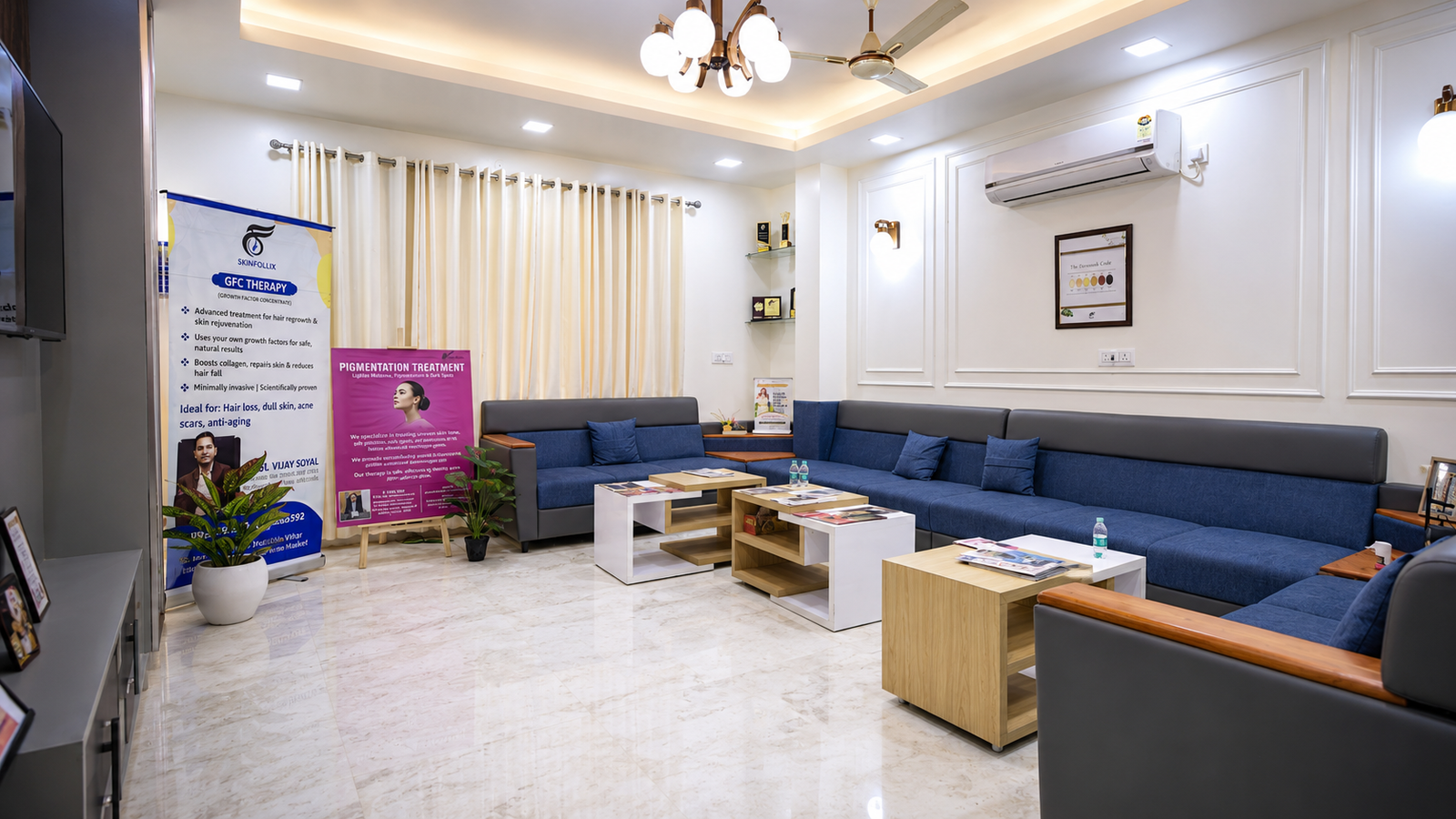
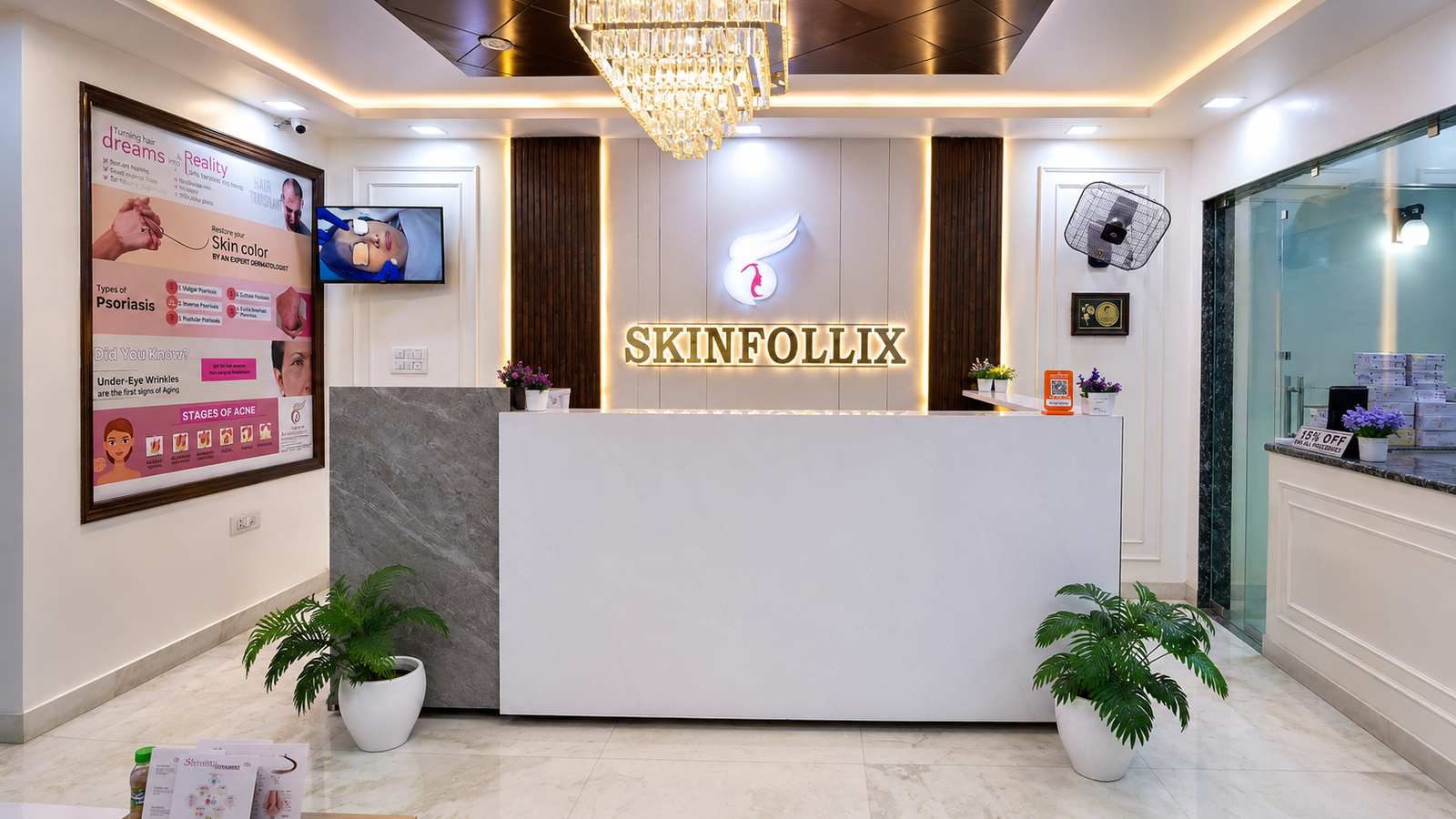
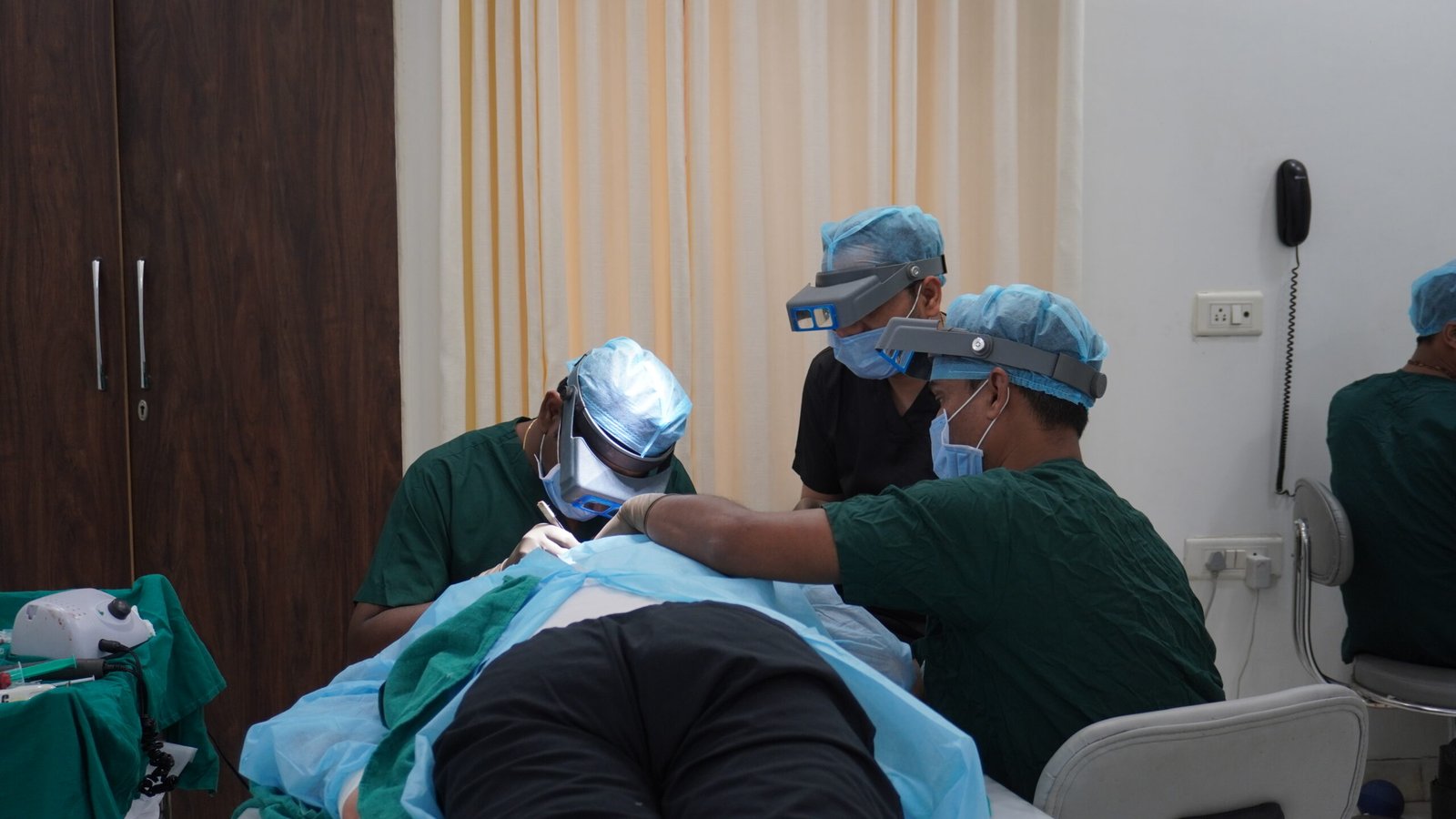
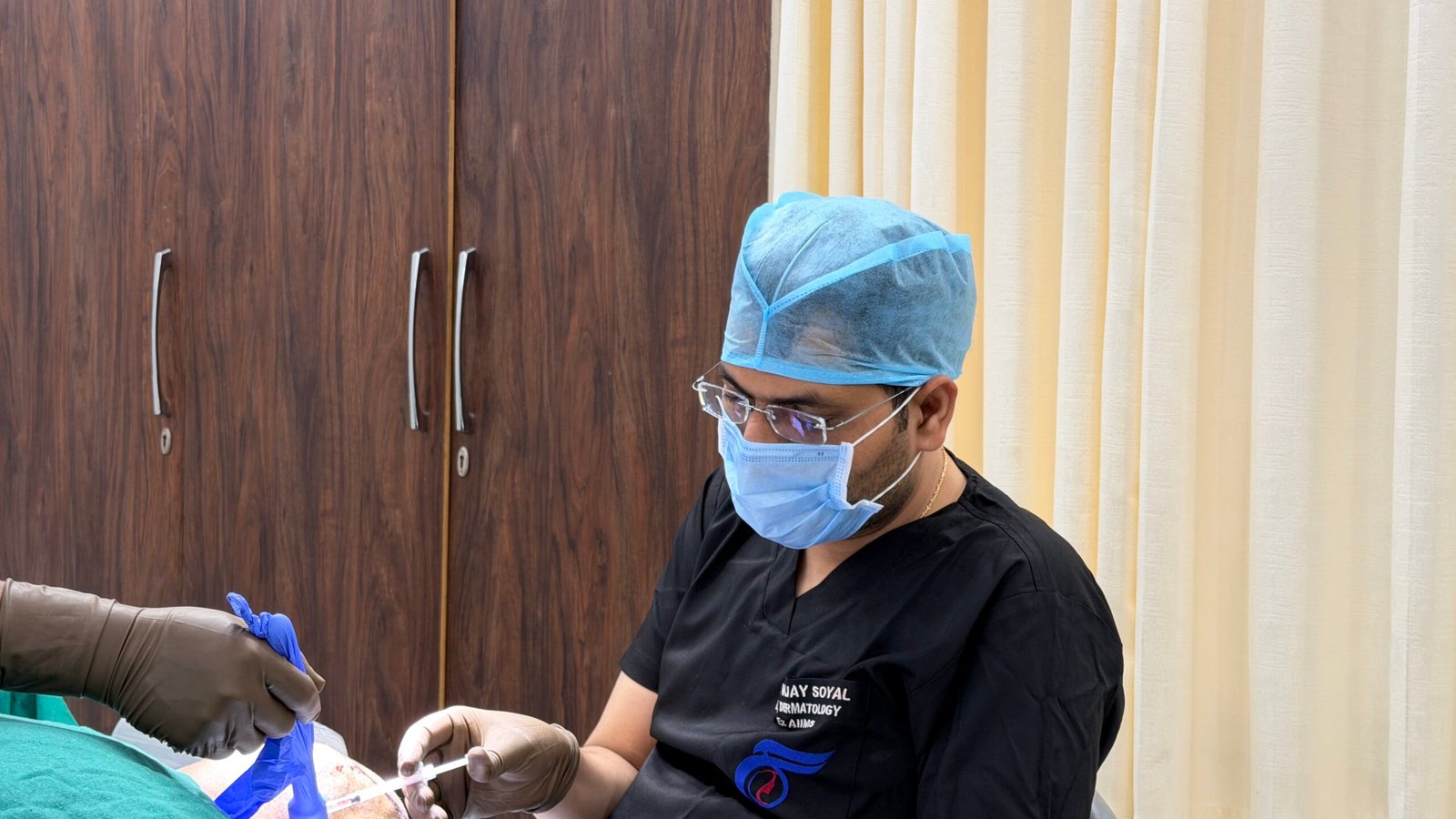
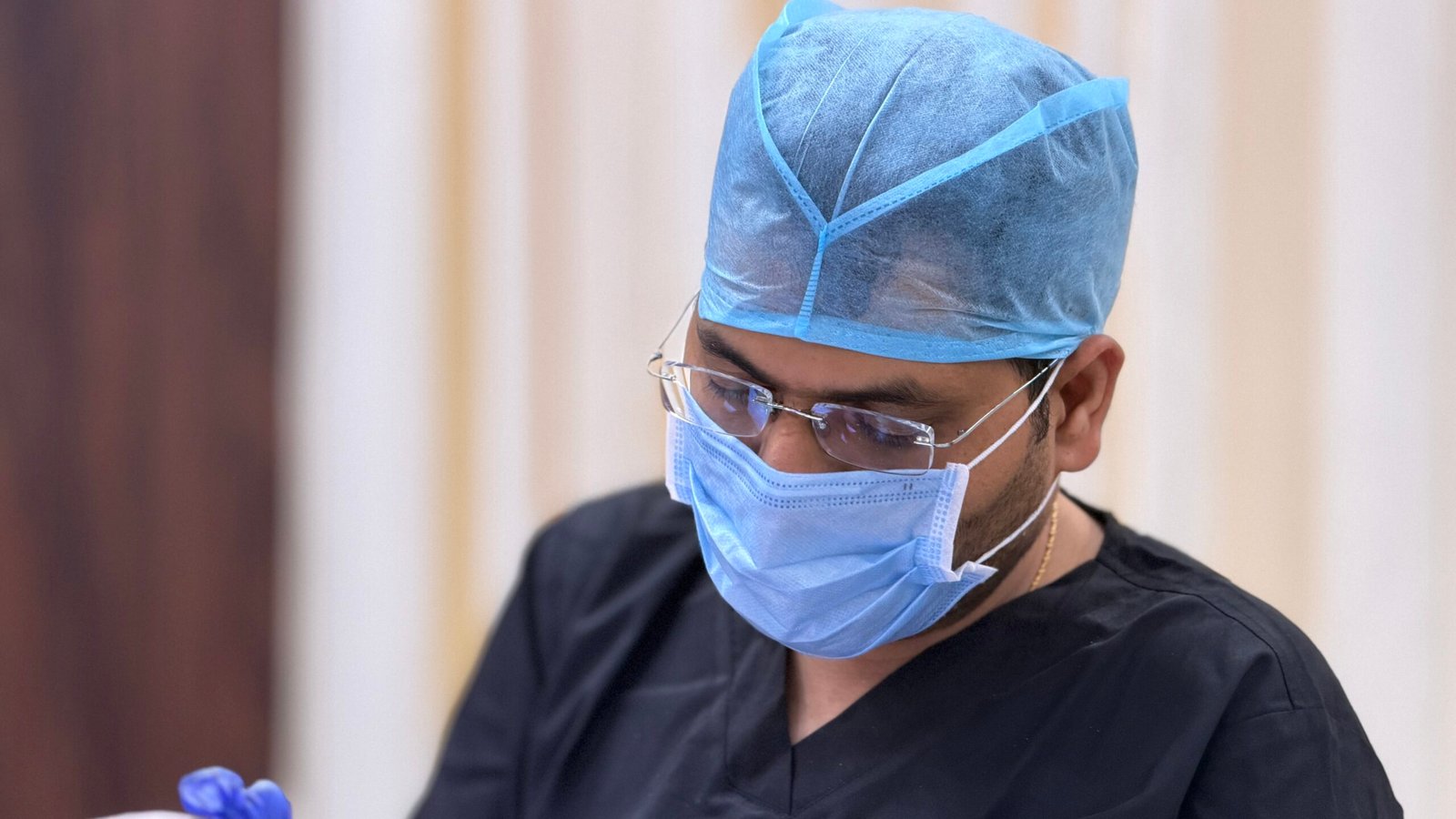
Inside Our Hair Transplant Clinic In Delhi
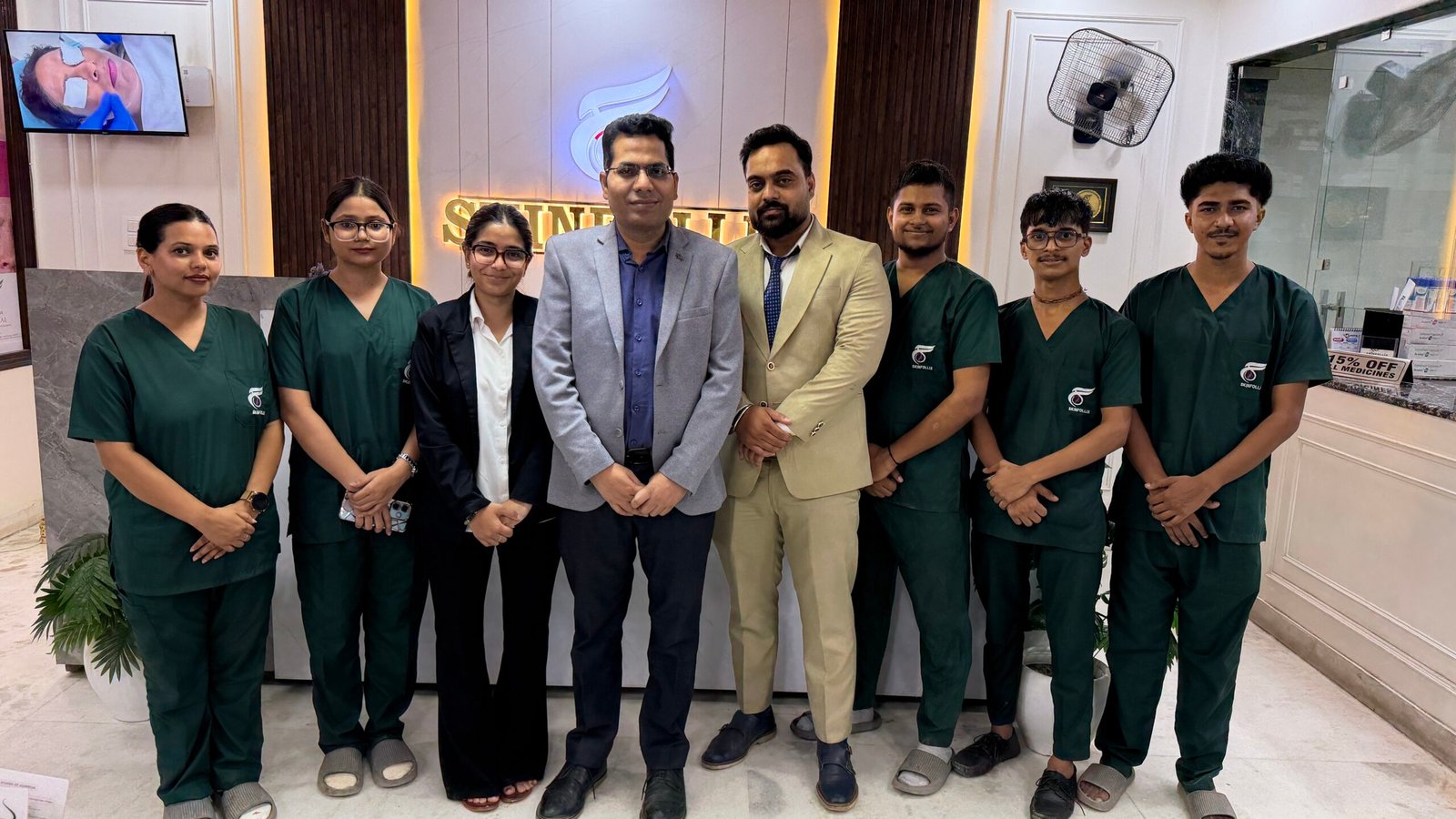
A closer look at the hair transplant clinic in Delhi where Dr. Vijay Soyal and the Skinfollix team perform FUE, DHI and hair restoration procedures every day.

Awards & Recognition
Presenting awards received and platforms that trust & recognize our services.
- Skinfollix award and recognition badge 1
- Skinfollix award and recognition badge 2
- Skinfollix award and recognition badge 3
- Skinfollix award and recognition badge 4
- Skinfollix award and recognition badge 5
- Skinfollix award and recognition badge 6
- Skinfollix award and recognition badge 7
- Skinfollix award and recognition badge 8
- Skinfollix award and recognition badge 9
- Skinfollix award and recognition badge 10