
Psoriasis treatment in Delhi works best when it is built around long-term control of a chronic inflammatory skin condition, not a promise of an overnight cure. Raised, red or darker patches with thick scaling can appear on the scalp, elbows, knees, lower back or other areas, and the pattern can vary from a few localised plaques to widespread disease. At Skinfollix, our AIIMS-trained, board-certified dermatologist assesses your psoriasis type, severity, affected areas and relevant triggers before recommending topical treatment, phototherapy, oral or systemic medication, biologic therapy or a combination approach. As a dedicated psoriasis clinic in Delhi, we focus on realistic, sustained symptom control.
Tell us a bit about your psoriasis — our psoriasis specialist in Delhi will get in touch to plan your personalised dermatological assessment.
Psoriasis is a chronic inflammatory condition in which an overactive immune response speeds up the skin-cell cycle, causing cells to accumulate and form raised, well-defined patches with scale. It commonly affects the scalp, elbows, knees and lower back, but can involve nails, palms, soles, skin folds and joints. Psoriasis can flare and settle over time, with triggers such as stress, infections, skin injury, smoking, alcohol and some medicines contributing in susceptible people. It is not contagious and is not caused by poor hygiene. There is no permanent cure at present, but modern treatment can control symptoms and reduce the frequency and severity of flares. Depending on the type and severity, a dermatologist may recommend topical medication, phototherapy, oral/systemic treatment or biologic therapy. This is why psoriasis treatment in Delhi should begin with a proper dermatological assessment rather than relying on generic creams alone.
Because effective psoriasis treatment in Delhi starts with understanding the factors that can trigger or worsen your specific flare-ups.
Psoriasis is driven by an overactive immune response that accelerates skin-cell production and creates the characteristic raised, scaly plaques. Treatment is aimed at controlling this inflammation and slowing the excessive skin turnover.
A family history of psoriasis increases the likelihood of developing the condition. Genes influence how the immune system responds, although having a family history does not mean psoriasis will definitely develop.
Emotional or physical stress can trigger or worsen psoriasis flares in some people. Recognising stress-related patterns can help your dermatologist build a more complete long-term management plan.
Certain infections, particularly streptococcal throat infections, can trigger guttate psoriasis and may also worsen existing psoriasis in some patients.
Cuts, scratches, burns or other trauma can sometimes cause psoriasis to appear at the site of injury. This reaction is known as the Koebner phenomenon.
Cold temperatures and low humidity can dry the skin and aggravate psoriasis symptoms. Many patients notice more scaling, itching or flares during colder, drier months.
Psoriasis symptoms can vary considerably depending on the type, severity and areas affected. Many patients experience cycles of active flares and calmer periods, while symptoms such as scaling, itching, nail changes or joint discomfort may differ from person to person. Recognising the pattern helps a dermatologist choose appropriate psoriasis treatment in Delhi.
Psoriasis can appear in different clinical forms and may affect different body sites. Identifying the type, severity and affected areas helps determine whether treatment should focus on topical medication, phototherapy, systemic therapy or a combination approach. At Skinfollix, your psoriasis pattern is assessed before personalised psoriasis treatment in Delhi is recommended.
The most common form, causing raised, well-defined patches with scale. It often affects the elbows, knees, scalp and lower back but can occur anywhere on the skin.
Psoriasis affecting the scalp can produce thick plaques and persistent scaling that may extend onto the forehead, behind the ears or the back of the neck.
Small, drop-shaped spots that can appear suddenly, often after an infection such as streptococcal throat infection. It is more common in children and young adults.
Smooth, inflamed patches that occur in skin folds such as the armpits, groin, under the breasts or between the buttocks. Because friction and moisture are involved, treatment needs careful selection.
A less common form characterised by pus-filled bumps surrounded by inflamed skin. Generalised or severe cases can require urgent specialist management.
A rare and potentially serious form in which widespread redness and scaling can affect most of the body. It requires prompt medical assessment and specialist treatment.
Psoriasis is a chronic inflammatory condition that needs individualised management rather than a one-time fix. Every psoriasis treatment in Delhi at Skinfollix is guided by an AIIMS-trained, board-certified dermatologist who assesses your type, severity, affected areas and triggers before recommending topical treatment, phototherapy, oral/systemic medication, biologic therapy or a combination approach.
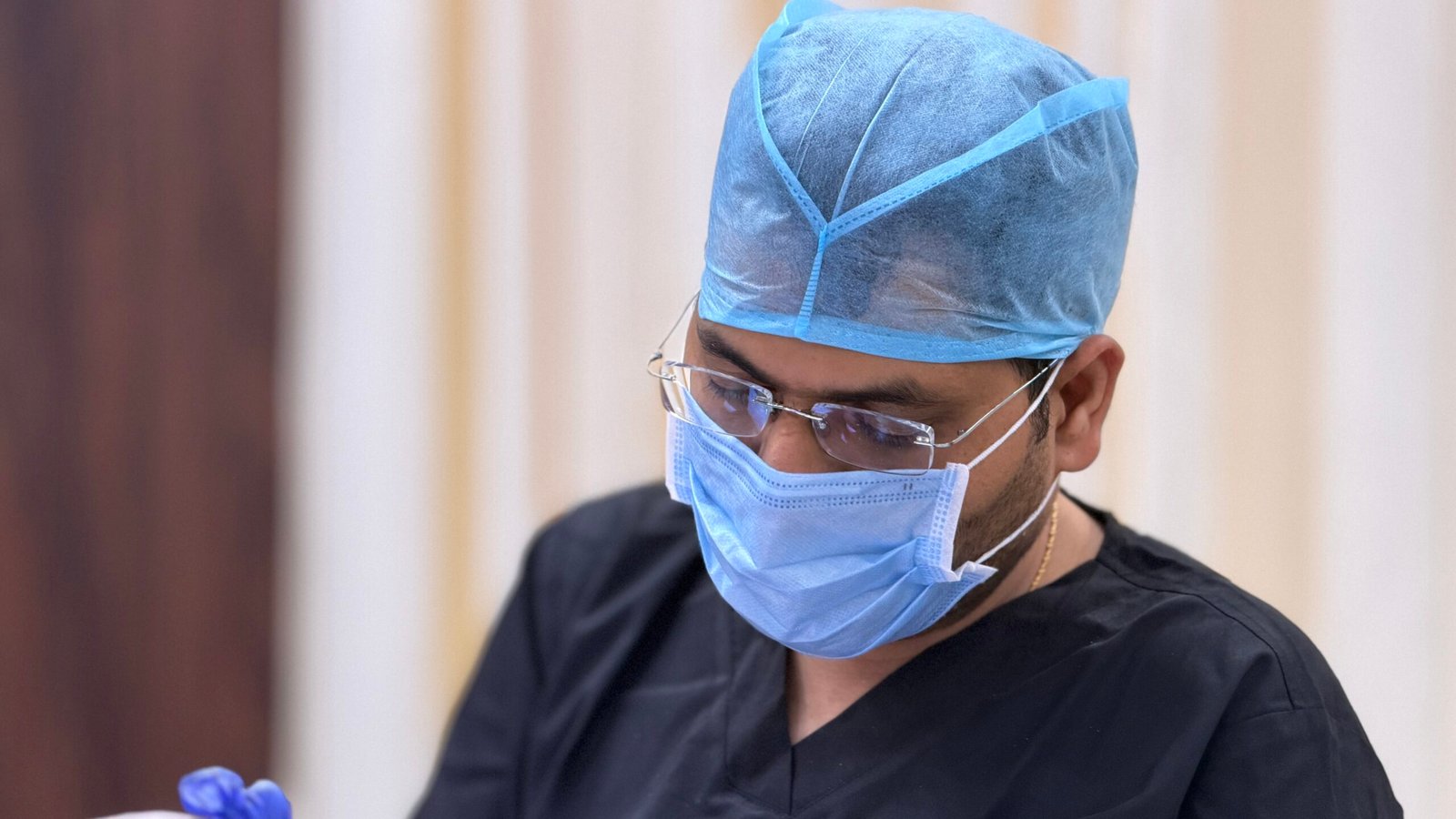
An AIIMS-trained, board-certified dermatologist personally assesses your psoriasis, considering the type, severity, affected sites, symptoms and any features that may point to psoriatic arthritis or another condition.
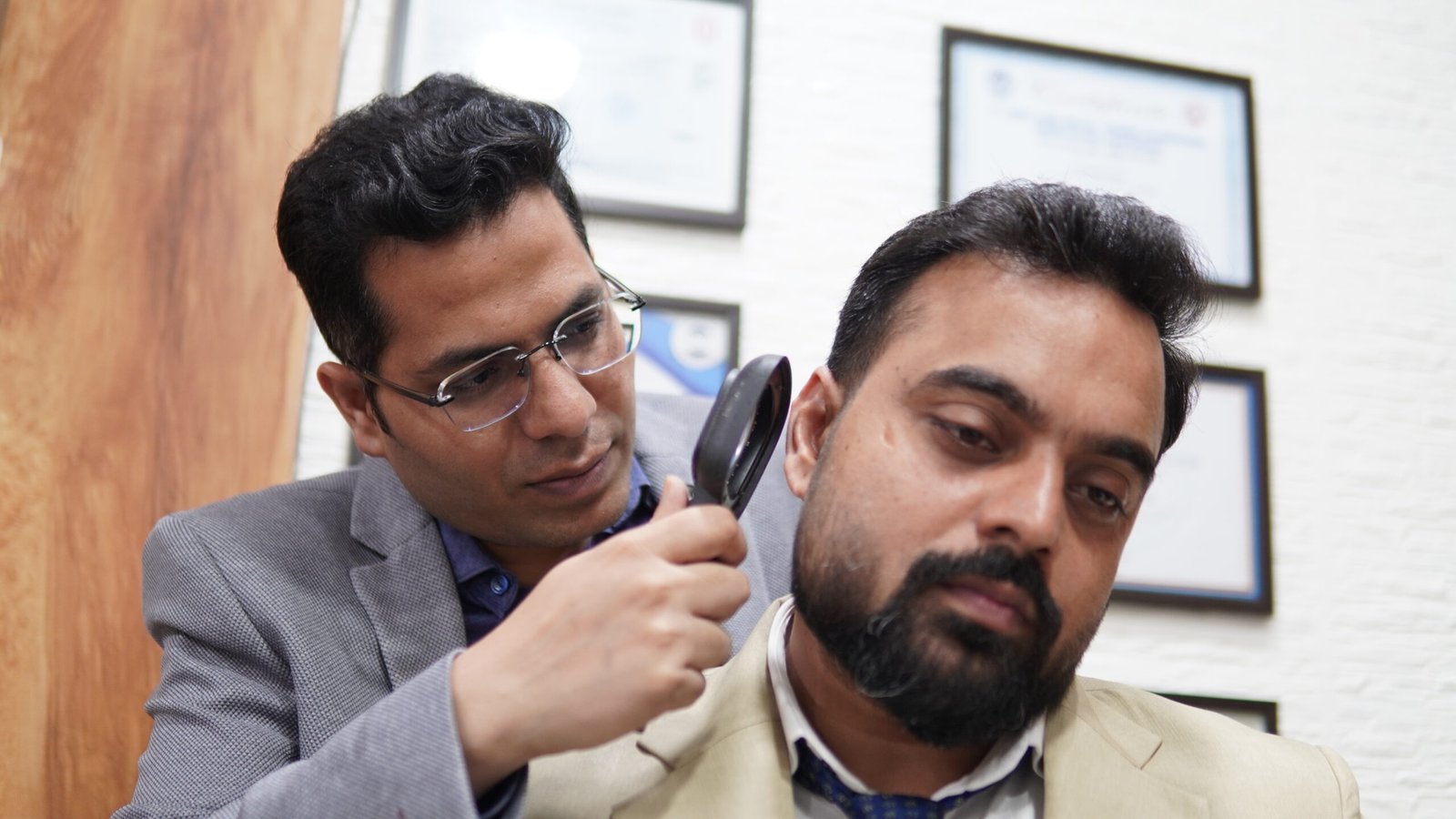
Psoriasis can resemble eczema, seborrhoeic dermatitis or fungal infections. We identify the clinical pattern and severity before selecting a treatment approach rather than treating every scaly rash the same way.
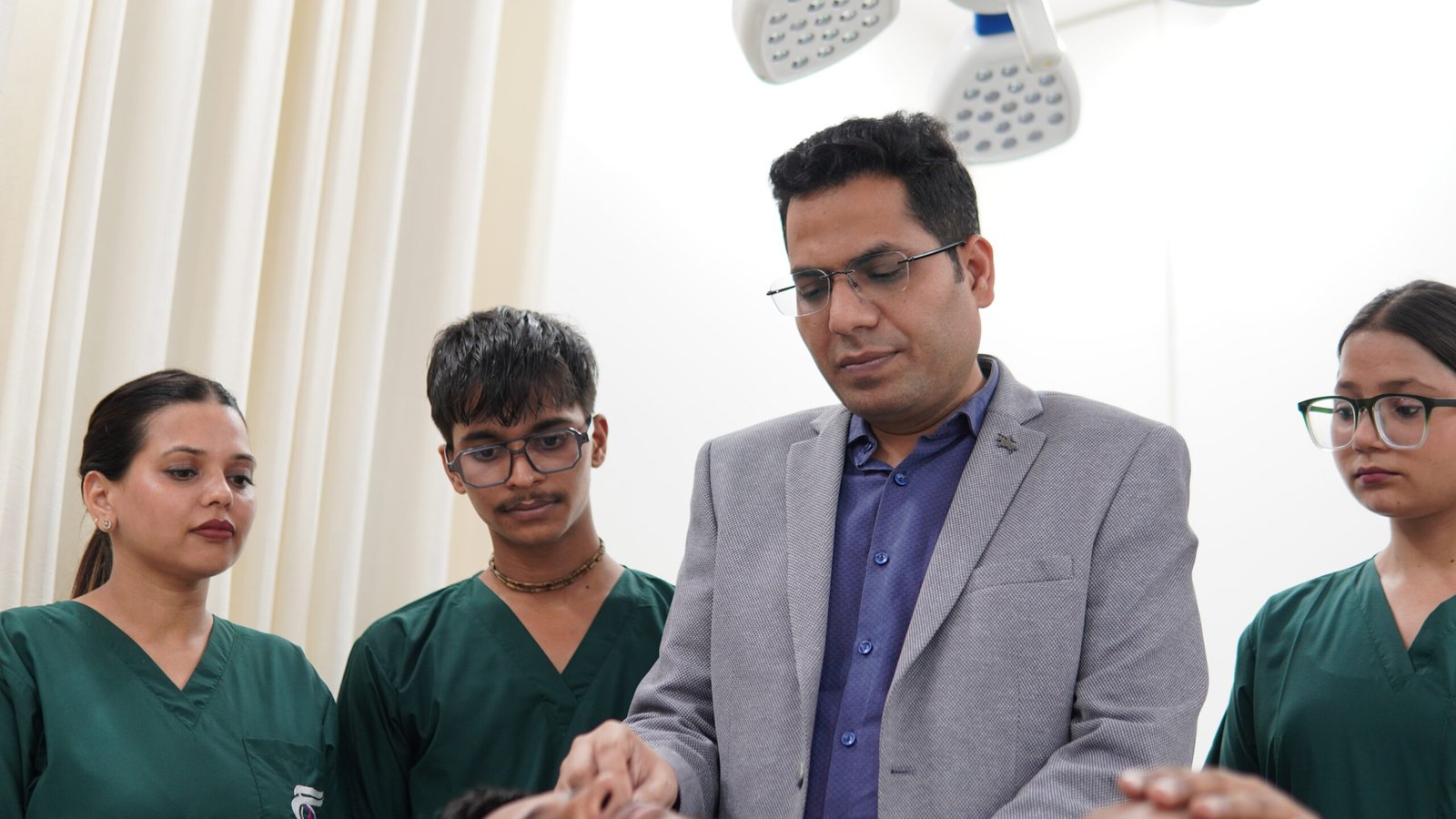
For suitable patients, dermatologist-supervised phototherapy can be considered for moderate or more extensive psoriasis. Treatment frequency and modality are selected according to your skin and disease response.
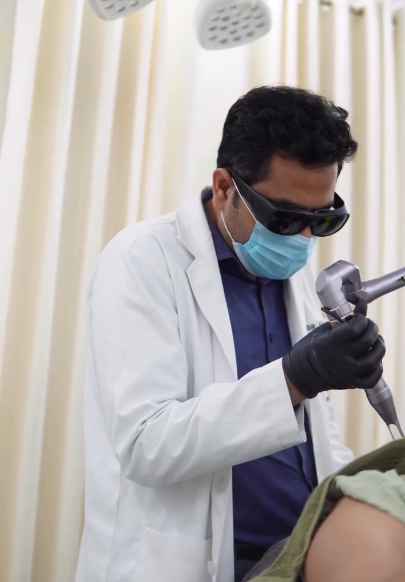
If you want to avoid relying on topical steroids long term, your dermatologist can discuss appropriate non-steroidal topical options, phototherapy and systemic treatments where clinically indicated.
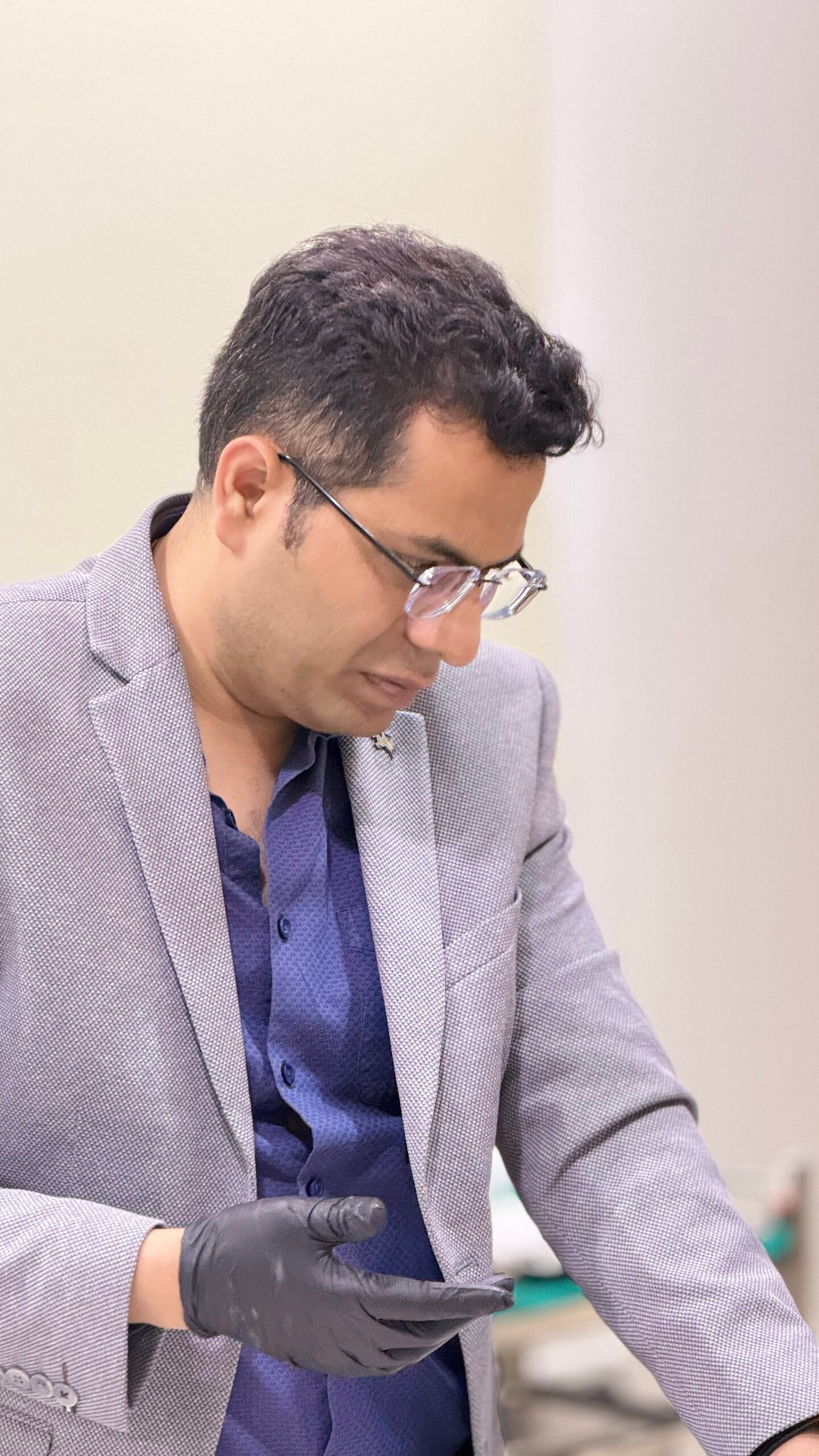
Psoriasis is chronic and can recur. We focus on achievable control, explain why a treatment is being recommended, and adjust the plan when your skin response, symptoms or treatment needs change.
Beyond a single visit, we build a management plan around your psoriasis type, severity, affected areas and treatment response, with follow-ups used to refine the plan and maintain control over time.
Book ConsultationPsoriasis treatment cost in Delhi depends on your specific type, disease severity, affected areas and whether your plan includes topical treatment, phototherapy, oral/systemic medication or biologic therapy. Your final treatment plan and pricing are confirmed only after a dermatologist assesses your skin.
Your psoriasis treatment cost depends on the extent and severity of disease, the body sites involved and whether treatment is topical, light-based or systemic.
Psoriasis phototherapy is generally priced around the treatment course and number of sessions required. The recommended schedule is discussed before you begin.
Your dermatologist explains the diagnosis, recommended treatment and expected follow-ups, with the associated psoriasis treatment price discussed clearly before treatment starts.
Because psoriasis is chronic, some patients need periodic reviews or treatment adjustments. Follow-up costs and any procedure or medication requirements are explained in advance.
Every psoriasis treatment in Delhi at Skinfollix is matched to your specific type, severity and affected areas — from topical medication and phototherapy to systemic and biologic treatment, all guided by an AIIMS-trained, board-certified dermatologist.
Swipe to see all treatmentsEvery psoriasis treatment in Delhi at Skinfollix follows a clear, dermatologist-led process — from accurate diagnosis and severity assessment to a personalised treatment plan and long-term management.

Your psoriasis consultation begins with understanding your symptoms, history, affected areas and treatment goals.

Your dermatologist evaluates the pattern and severity of psoriasis before recommending treatment.
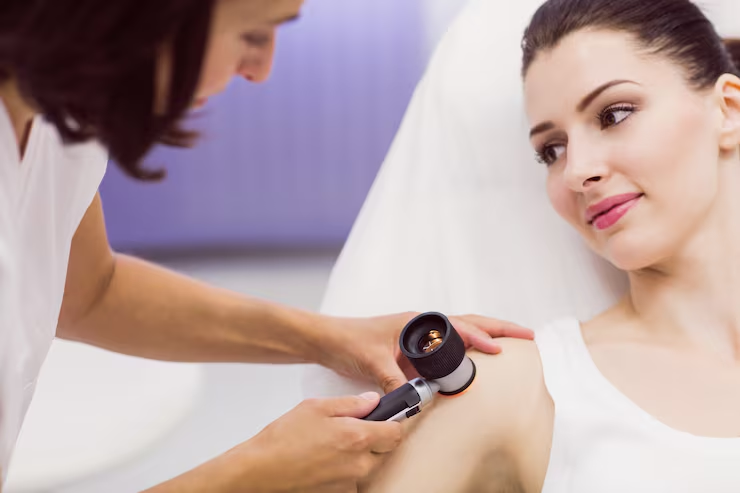
The next step is identifying the clinical form of psoriasis and how extensive or disruptive it is.
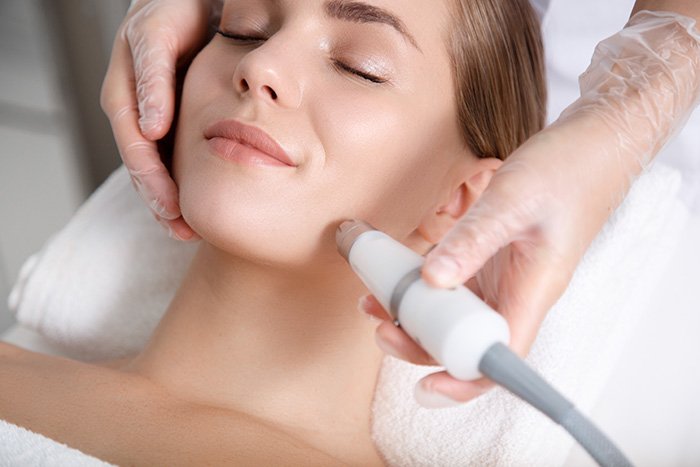
Your dermatologist creates a personalised plan based on psoriasis type, severity, location and treatment history.
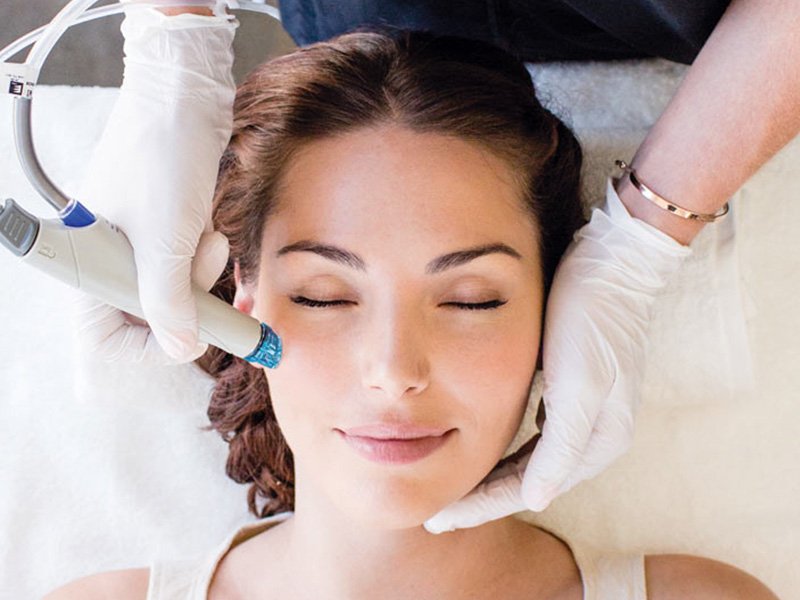
Treatment is carried out according to the dermatologist-led plan, with response reviewed throughout the course.

Because psoriasis can recur, ongoing management helps maintain control and identify changes early.
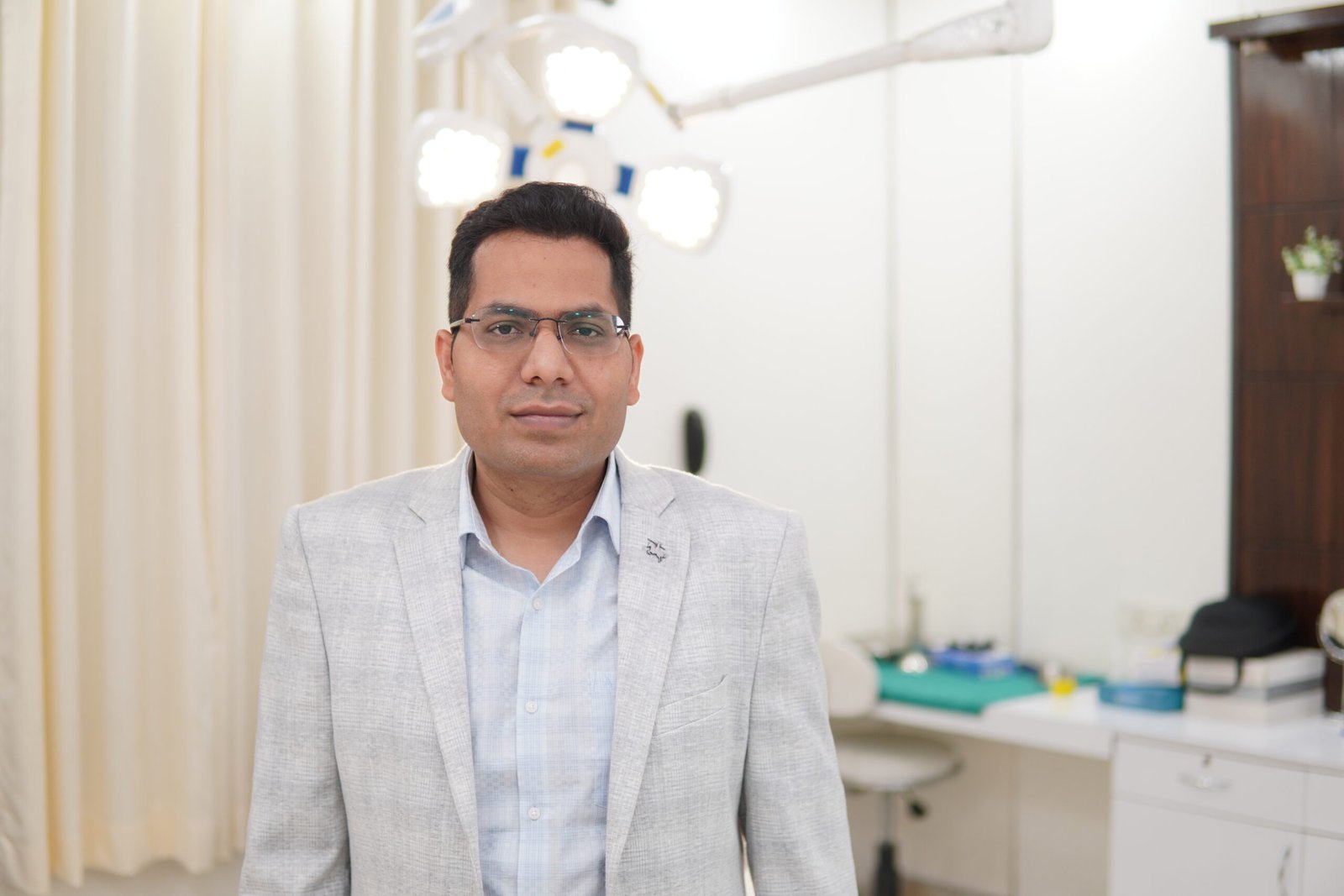
Dr. Vijay Soyal, MD · AIIMS-Trained, Board-Certified Dermatologist
Every psoriasis treatment in Delhi at Skinfollix begins with a detailed assessment of your symptoms, psoriasis type, severity and affected areas. Dr. Vijay Soyal is an AIIMS-trained, board-certified dermatologist with over 15 years of clinical experience in diagnosing and managing psoriasis, scalp psoriasis and chronic inflammatory skin conditions. As a psoriasis dermatologist in Delhi, he focuses on what treatment can realistically achieve: psoriasis currently has no permanent cure, but appropriate topical treatment, phototherapy and systemic or biologic therapy can provide significant control for many patients. The plan is reviewed over time according to your response, treatment tolerance and long-term goals.
Know Your DermatologistGenuine feedback from patients who chose psoriasis treatment in Delhi at Skinfollix — managed by an AIIMS-trained, board-certified dermatologist for plaque psoriasis, scalp psoriasis and chronic flare-ups.
Everything patients ask before choosing psoriasis treatment in Delhi — from causes and symptoms to treatment options, cost and long-term management.
Conveniently located in Paschim Vihar, Delhi NCR — visit Skinfollix for a dermatologist consultation to understand your psoriasis symptoms and explore personalised treatment and long-term management options.
Call our skin clinic in Delhi to book a dermatologist consultation for psoriasis, scalp psoriasis and related chronic skin concerns.
Email our team for information about psoriasis treatment, consultation, phototherapy and management plans.
First Floor, B-2/6, Road, B 2 Block, Paschim Vihar, New Delhi – 110063.